If you need to stop dogs from entering your garden, urinating on a doorway, marking a façade, fouling a specific area or approaching you during walks, the right solution depends on the behaviour you want to prevent. The aim is not to harm the animal, but to create an unpleasant signal, a deterrent barrier or a cleaning routine that makes the dog avoid that area.
Dog repellents and dog repellers: which solution should you choose?
Not every dog-related problem is solved in the same way. If a dog enters the garden, a motion-activated repeller is usually the best option. If the problem is urine on doors, walls or façades, it is better to combine enzymatic cleaning with an anti-urine repellent. And if you need occasional protection during walks, routes or bike rides, a portable ultrasonic dog repeller may be more suitable.
| Problem |
Recommended product |
Solution |
| Dogs urinating on doors, walls, façades or entrances |
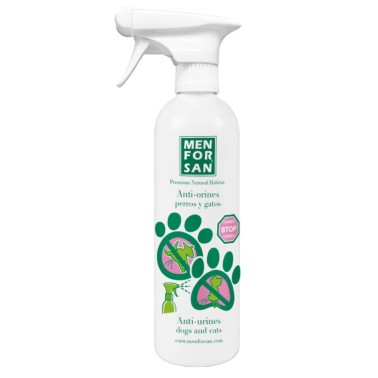
Anti Urine Spray for Dogs and Cats |
Smell-based repellent to help prevent dogs and cats from marking the same area again. |
| Urine residue, stains or persistent odours |
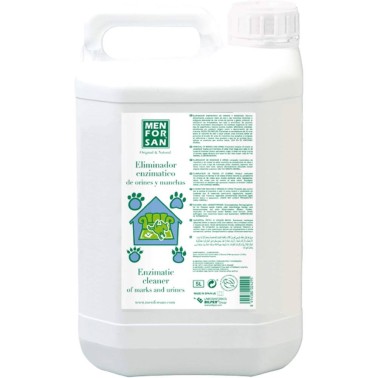
Enzymatic Pet Cleaner |
Helps remove the organic trace that attracts the animal back to the same spot. |
| Dogs entering gardens, patios or vegetable gardens |
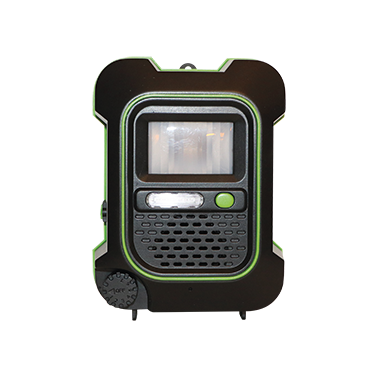
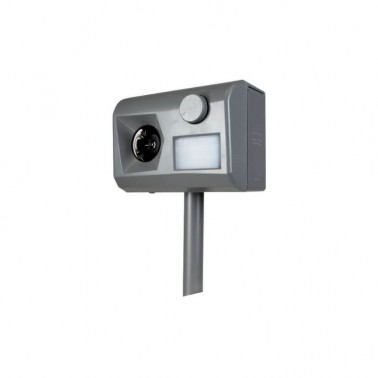
Garden Protector 4 with Flash |
Motion-activated repeller with ultrasound and light flash. |
| Dogs in outdoor areas with access to water |
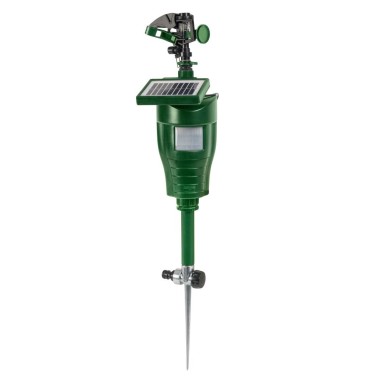
Motion Activated Sprinkler |
Detects movement and activates a jet of water to deter the animal. |
| Portable use during walks, routes or bike rides |
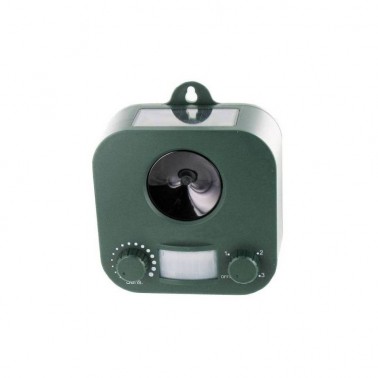
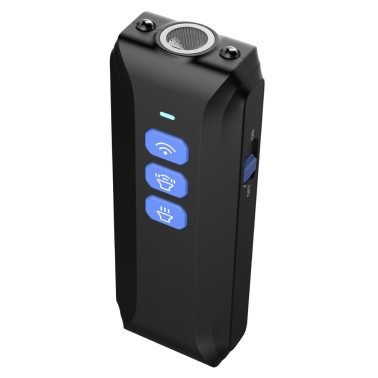
Ultrasonic Dog Repeller |
Handheld device for occasional situations with dogs that approach or become a nuisance. |
| Preventing access to planters, borders or specific areas |
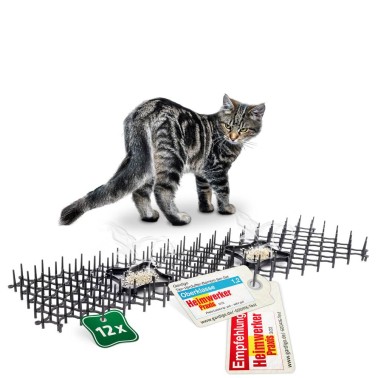
Fence Spikes for Cats |
Physical deterrent barrier for localised protection of planters, edges or passage areas. |
Which solution should you choose depending on the dog’s behaviour?
Before buying a product, it is important to identify exactly what is happening. A dog entering a property is not the same as a dog repeatedly urinating on the same wall. In general, there are three main situations:
- Urine and marking: the most important step is to remove the odour trace first and then apply an anti-urine repellent.
- Dogs entering gardens, patios or vegetable gardens: automatic motion-activated repellers with ultrasound, light flash or water usually work better.
- Occasional protection during walks: a portable ultrasonic dog repeller can be used as support, but it does not replace basic safety measures when dealing with an aggressive dog.
Outdoor dog repellent
When the problem happens outdoors, such as in gardens, patios, façades, garage entrances or building entrances, the most important thing is to choose a solution that matches the dog’s behaviour. For garden access, motion-activated repellers usually work best. For urine and marking, it is usually more effective to act on the odour and apply a specific repellent.
In larger outdoor areas or passage zones, it can also be useful to combine several measures: cleaning, repellent, ultrasound, water or a small physical barrier. The clearer the entry point or the area you want to protect, the easier it will be to choose the right product.
How to stop dogs from urinating on the door
If dogs always urinate in the same spot, it is usually because the area still contains odour residues. It is not enough to cover the smell: first, the trace must be removed. If the urine odour remains, other dogs may mark over it again.
That is why, before applying a repellent, the surface should be cleaned thoroughly. An enzymatic cleaner helps remove organic urine residues and stains, reducing the attraction that makes dogs return to the same spot.
After cleaning and allowing the surface to dry, a specific repellent such as the Anti Urine Spray for Dogs and Cats can be applied. We also recommend avoiding bleach or ammonia-based cleaning products, as these smells can be counterproductive and may encourage dogs or cats to mark again.
Enzymatic cleaner for dogs and cats: when to use it
An enzymatic cleaner is especially useful when there are urine stains, organic residues or persistent odours. It does not act as a physical barrier or as an ultrasonic repeller; instead, it helps remove the trace that can make the animal return to the same spot.
For repeated urine marking, the most logical combination is usually: first clean with an enzymatic product, then apply an anti-urine repellent and, if the problem occurs in an outdoor passage area, also consider a motion-activated repeller.
Ultrasonic dog repellers
Ultrasonic dog repellers emit frequencies that are unpleasant for the animal, with the aim of discouraging it from entering or staying in a specific area. Some models combine ultrasound with light flash or motion detection, which reinforces the deterrent effect.
For gardens, patios, vegetable gardens, terraces or entrances, a suitable option is the Garden Protector 4 with Flash, which activates when it detects movement. For outdoor areas with access to water, the Motion Activated Sprinkler can be a very deterrent alternative, as it surprises the animal with a jet of water.
There are also portable models, such as the Ultrasonic Dog Repeller, designed to be carried during walks, routes or bike rides. It can help in occasional situations with dogs that approach, although it should not be understood as guaranteed protection and does not replace caution around an aggressive animal.
Physical barriers for specific areas
When you want to protect a planter, border, narrow entrance or very specific point, a physical barrier can be a simple solution. Although the product is called Fence Spikes for Cats, it can also be used as a deterrent barrier in localised areas against cats, small dogs or other animals, provided it is placed where it does not interfere with people walking through.
This type of barrier does not replace an anti-urine repellent or a motion-activated repeller, but it can be useful when the problem is concentrated in a very clear passage point.
Do homemade dog repellents with vinegar work?
Vinegar is often mentioned as a home remedy to stop dogs from urinating in a specific area, but it is not always the best option. It can leave a strong smell, affect some surfaces and its effect is usually limited. For a more controlled use, we recommend specific products designed for this purpose.
In addition, if the problem is repeated, the key is not only to apply an unpleasant smell, but to first remove the urine trace and prevent the animal from identifying that area as a marking point again.
Tips to improve effectiveness
To improve results, first identify where the dog enters, where it urinates or which area you want to protect. If you use a motion-activated repeller, place it facing the passage area and avoid obstacles that could block detection. If you use an anti-urine repellent, clean the area first and apply it on a dry surface.
Outdoors, rain, irrigation and street cleaning can reduce the duration of smell-based repellents, so repeated application may be necessary. With ultrasonic repellers, placement is key: they must be aimed at the area where the dog enters or approaches.
Frequently asked questions about dog repellents and dog repellers
What is the best dog repellent?
It depends on the problem. For urine on doors or façades, we recommend an anti-urine repellent. For gardens or patios, a motion-activated repeller is usually better. For portable use during walks or routes, an ultrasonic dog repeller may be suitable.
What product stops dogs from urinating?
The most recommended approach is to first clean the area with an enzymatic cleaner and then apply a specific anti-urine repellent. This removes the trace that attracts the animal and reinforces deterrence so it does not mark the same area again.
What product stops dogs from fouling or defecating in a specific area?
If the problem always occurs in the same outdoor area, a specific repellent or a motion-activated repeller can be used. In gardens or patios, the sensor is often especially useful because it acts when the animal approaches.
Do bleach or ammonia stop dogs from urinating?
They are not the best option. Bleach and ammonia can leave odours that may be counterproductive and encourage dogs or cats to mark again. For repeated urine marking, it is usually better to clean with an enzymatic product and then apply a specific anti-urine repellent.
Do ultrasonic dog repellers harm dogs?
They are not designed to harm the animal, but to create an unpleasant stimulus that makes it avoid the area. Their effectiveness may vary depending on the dog, its age, hearing sensitivity and how used it is to passing through that place.
What is the most powerful dog repeller?
For outdoor use, models with motion sensor, ultrasound and flash are usually the most complete. If there is access to water, a motion-activated sprinkler can also be a very deterrent solution.
Are there dog repellers for cyclists?
Yes. Cyclists, walkers or people on routes can use a portable ultrasonic dog repeller. It is designed for occasional situations, not to protect a fixed area permanently.
Do these products work for your own dogs and other people’s dogs?
Yes, but the use may be different. For your own dogs, they can help correct access to a specific area of the garden or prevent marking in certain spots. For other people’s dogs, they are usually used outdoors, on façades, entrances or private areas where you want to prevent repeated urination, fouling or access.
Dog repellent solutions at BirdGard Iberia
At BirdGard Iberia, you will find non-harmful solutions to deter dogs or prevent specific behaviours: anti-urine repellents, enzymatic cleaners, ultrasonic repellers, motion-activated sprinklers and physical barriers for localised areas. If you are not sure which product best fits your case, contact us and we will advise you free of charge.

 2 reviews