Stray cats, or cats from the neighbourhood, often enter gardens, terraces, cars or building entrances to relieve themselves, mark their territory or hunt, damaging lawns, plants and leaving unpleasant odours. The good news is that they can be kept away without harming them and without using dangerous chemicals. On this page, we explain the different solutions to keep cats away, how to capture them responsibly if necessary, and how to prevent and clean cat urine.
Which solution should you choose depending on the problem?
Before choosing a product, it is important to identify where the cat appears and what it is doing. This table will help you get oriented quickly:
| Problem |
Most suitable solution |
When it fits best |
| Cats enter the garden, terrace or passage area |
Ultrasound, water sprinkler or repellent |
When the cat enters from outside and you want to deter it without contact. |
| They urinate on a door, façade, wheel or corner |
Anti-urine spray and enzymatic cleaning |
When the cat keeps returning to the same spot because of the smell. |
| They climb onto walls, fences or ledges |
Fence spikes for cats |
When you want to prevent access or resting on a specific area. |
| They climb trees |
Tree guard to stop cats |
When you want to prevent the cat from climbing the trunk without harming it. |
| They enter the car or damage the engine |
Animal repellent mesh, repellents or ultrasound |
When the problem is in the vehicle, garage or parking area. |
| They need to be captured for responsible management |
Non-harmful capture trap cage |
Only as a specific handling tool, preferably coordinated with the local council, a vet or an animal protection organisation. |
How to keep cats away without harming them
There is no single infallible method: the most effective approach is usually to choose according to your space and, often, combine two solutions. These are the main options, from the most commonly used to the most specific:
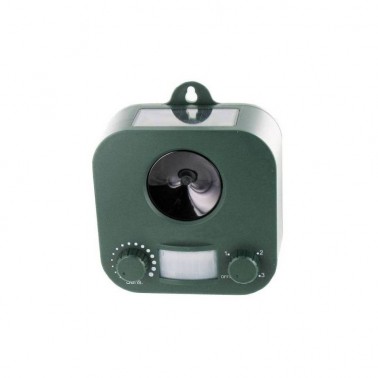
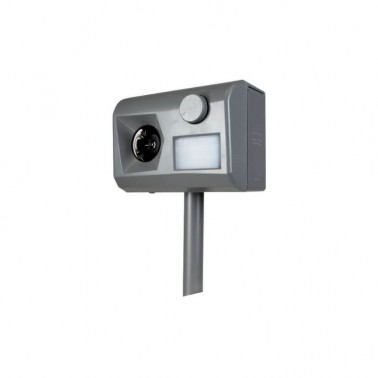
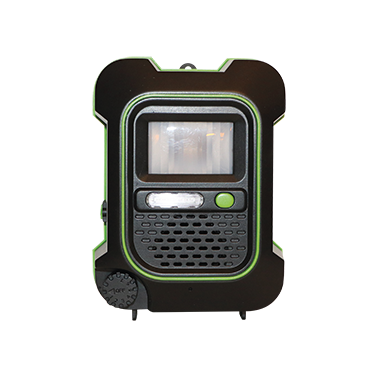
- Ultrasound with or without flash: these devices detect the cat and emit a high-frequency sound that can be unpleasant for it, helping it avoid the protected area. Cats can perceive high frequencies, so ultrasound can be a suitable solution to deter them in gardens, terraces or passage areas. Models such as the Garden Protector 4 with Flash also add a light flash that reinforces the effect, while the Garden Protector Solar works without a plug. Bear in mind that effectiveness depends on placement and that some cats may get used to the device, so it is advisable to move it from time to time. See all options in ultrasonic animal repellers.
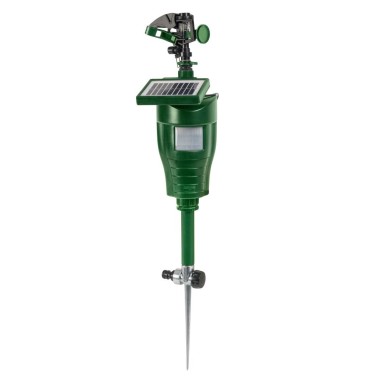
- Water: the motion activated sprinkler releases a jet of water when it detects the animal. It is one of the most effective deterrent methods for gardens, provided you have access to a water supply. More information in water-based animal repellers.
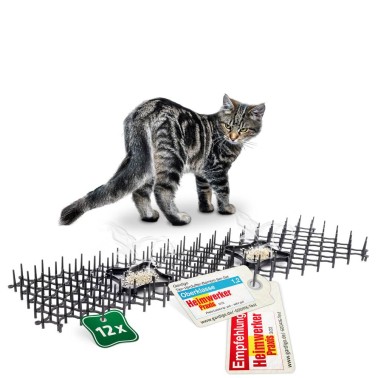
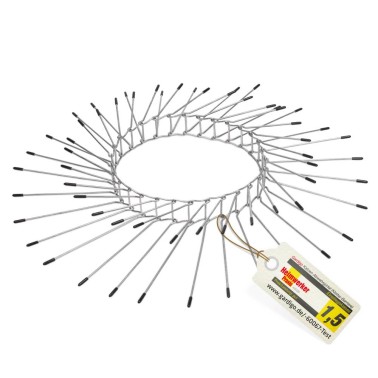
- Physical barriers: fence spikes for cats prevent cats from resting or passing over walls, fences and ledges, while the tree guard to stop cats prevents them from climbing trees, all without harming them. See these solutions in physical barriers.
- Smell-based repellents: these create an olfactory barrier that cats dislike, useful for specific points such as building entrances, façades, corners or passage areas. You can see the specific options in cat deterrents.
Capturing stray cats responsibly
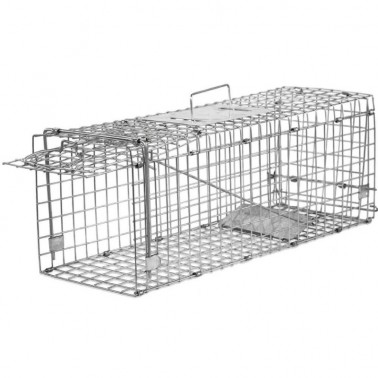
When a cat needs to be removed temporarily —for example, to take it to the vet or as part of a colony management programme—, the folding trap cage allows safe and non-harmful capture, and can also be used for rabbits or ferrets. You can also see the cat traps section.
It is important to use it responsibly: community cats are protected under animal welfare regulations, and the correct approach is not to eliminate them, but to manage them responsibly through TNR/CER methods, meaning trap, neuter and return to their colony. Before capturing a cat, bear in mind that it may have an owner or belong to a managed colony; the most advisable approach is to coordinate with the local council, a vet or a local animal protection organisation. The cage is a specific handling tool, not a way to get rid of the animal.
Preventing cat urine and removing the smell
One of the most annoying problems is when cats urinate repeatedly in the same place —a door, a wheel, a corner— because the smell they leave attracts them back. To break that cycle, there are two steps:
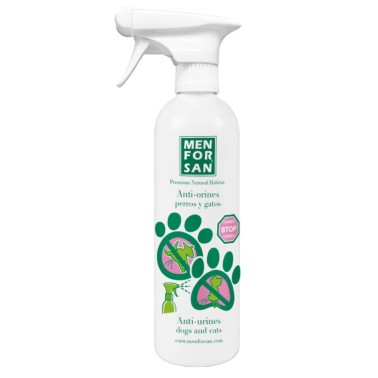
- Deter: the anti urine spray for dogs and cats helps stop them choosing that spot again.
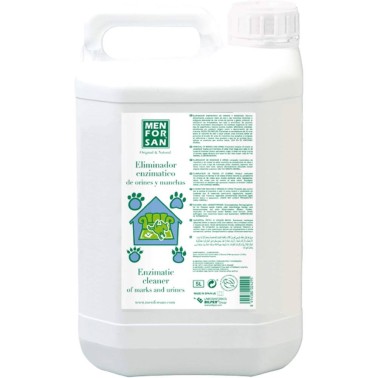
- Clean the smell properly: with normal water, the smell remains and the cat comes back. The enzymatic pet cleaner breaks down urine residues at a molecular level, removing the smell at its source and helping prevent the animal from repeating the behaviour. In many cases, deep cleaning is half of the solution.
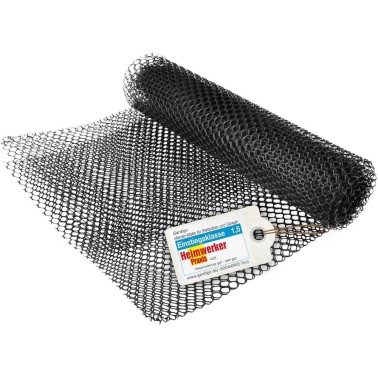
If the problem is in the car, the animal repellent mesh can help prevent damage.
Frequently asked questions about how to keep cats away
How do you keep cats away effectively?
The most effective approach is usually to combine deterrence and cleaning. In passage areas, you can use an active deterrent, such as ultrasound with flash or a water sprinkler, reinforced with physical barriers or smell-based repellent at specific points. If cats have already urinated in the area, it is also important to clean properly with an enzymatic product so they do not return attracted by the smell.
What is the best cat repeller?
It depends on the space you want to protect. For open gardens, the water sprinkler and ultrasonic devices with flash usually work very well. For walls, fences or trees, physical barriers are more suitable. For doors, façades or corners where cats urinate, it is best to combine anti-urine repellent and enzymatic cleaning. There is no single “best” cat repeller: in many cases, combining two methods works better than using only one.
Do ultrasonic devices work with cats?
Yes. Cats can perceive high frequencies, so ultrasound can help deter them. Even so, it is not magic: effectiveness depends on placement, the level of pressure from the animal and whether the device properly covers the area. Some cats may become used to it, so it helps to combine ultrasound with water, repellents or barriers and to move the device from time to time.
How do I stop a cat from urinating on my door and remove the smell?
You need to do both things at the same time: apply an anti-urine repellent so the cat stops choosing that spot, and clean the area with an enzymatic cleaner that removes the smell completely. If you only clean with water or bleach, traces may remain that the cat can still detect, making it more likely to return.
What should I do if cats enter my car or damage the engine?
In cars, garages or parking areas, it is best to combine prevention and deterrence. An animal repellent mesh can help protect sensitive areas of the vehicle, while repellents or ultrasound can make the surroundings less attractive to the animal. It is also important to check whether food remains, shelter or other attractants are drawing the cat to the area.
Is it legal and ethical to capture stray cats?
Community cats are protected under animal welfare regulations and it is neither legal nor ethical to harm them. Capture may be acceptable as a tool for responsible management, for example within trap, neuter and return programmes, but not as a way to get rid of the animal. The advisable approach is to coordinate with the local council, a vet or an animal protection organisation. To protect your space, the right approach is to deter them using non-harmful methods.
Cat repellent solutions at BirdGard Iberia
At BirdGard Iberia, you will find a complete range of animal-friendly solutions to keep cats away: ultrasound, water, physical barriers, repellents, trap cages and cleaning products. If you are not sure which solution best fits your case, contact us and we will advise you free of charge.

 18 reviews