Squirrels can cause problems when they enter houses, attics, lofts, garages, gardens, vegetable gardens or fruit trees. Although they are small animals, they can gnaw cables, damage insulation, enter false ceilings or eat fruits and nuts such as hazelnuts, walnuts, almonds and other crops.
To choose the right squirrel repellent or squirrel deterrent, the first step is to identify where the problem is occurring: squirrels inside a house are not managed in the same way as squirrels in the garden, in fruit trees or on agricultural land.
Which product should you choose to deter squirrels?
| Situation |
Recommended product |
Why it fits |
| Squirrels in attics, lofts, garages, false ceilings or indoor spaces |
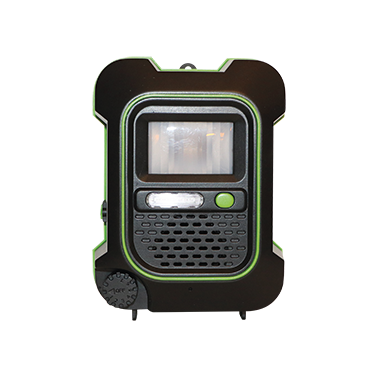
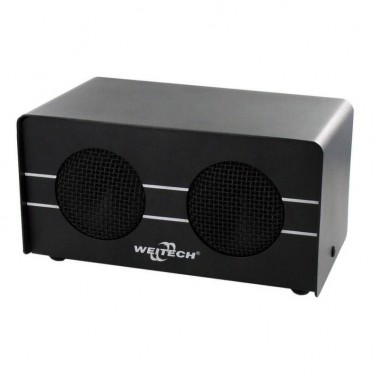
Rodent & Insect Repeller - WK0600 |
Combines sounds and ultrasound. A suitable option to create an uncomfortable environment in indoor or protected spaces. |
| Squirrels in gardens, patios, porches or passage areas |
Garden Protector 4 with Flash |
Detects the animal’s movement and activates ultrasound and a light flash to deter it. |
| Squirrels in localised outdoor areas |
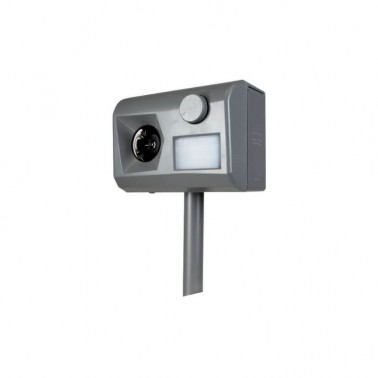
Garden Protector 3 |
Works with motion sensor and ultrasound. It can be used to protect specific passage points. |
| Squirrels in specific fruit trees or trunk access points |
Garden Protector 4 with Flash or Garden Protector 3 |
They allow you to protect localised areas by aiming the device towards the trunk, the passage area or the point where squirrels climb the tree. |
| Squirrels in vegetable gardens, rural properties, vineyards or large crop areas |
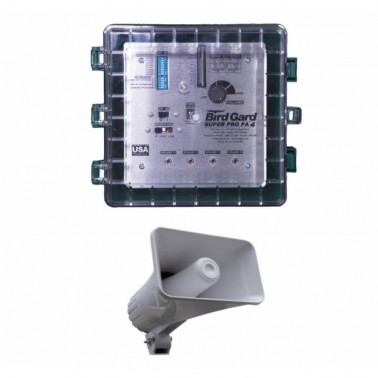
Super Pro PA4 - Boar, Deer, Rabbit Repellent |
Audible sound device with wide coverage, more suitable as support when larger outdoor areas need to be protected. |
| Occasional live capture of a squirrel in a controlled area |
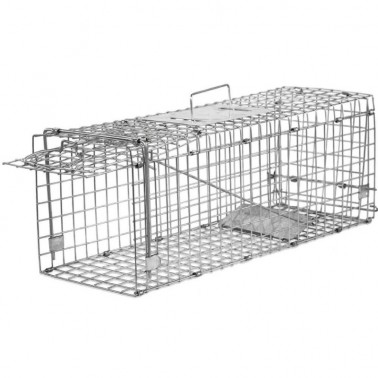
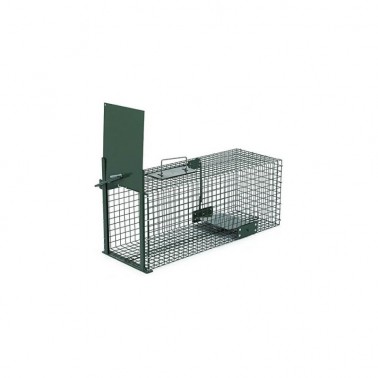
Folding Trap Cage |
Allows live capture of the animal. It must be used responsibly and checked frequently. |
| Problems related to martens, weasels or mustelids |
Marten, Weasel and Mustelid Repellers |
If the problem is not squirrels but martens entering chicken coops, vehicles or lofts, it is better to review the specific category. |
How to know if you have squirrels in the house or garden
Before choosing a product, it is important to confirm that the problem is really being caused by squirrels and not by rats, mice, martens or other animals. Some common signs include:
- Noises in the roof, attic or false ceiling: especially during the day or when there is activity near trees and roofs.
- Gnawed or missing fruits and nuts: hazelnuts, walnuts, almonds, fruit or seeds eaten before they ripen.
- Damage to cables, insulation or soft materials: in garages, storage areas, attics or protected spaces.
- Entry points through roofs, vents or gaps under tiles: they often use branches that reach the roof.
- Visible activity in trees, walls or roofs: squirrels move easily through elevated areas and vegetation.
If the damage appears in chicken coops, vehicles, lofts or areas where there are attacks on birds, eggs or small animals, the problem may not be squirrels, but martens, weasels or other mustelids. In that case, it is better to review the specific category of marten, weasel and mustelid repellers.
Ultrasonic squirrel deterrents
Ultrasonic squirrel deterrents emit frequencies that are unpleasant for the animal. The aim is not to harm it, but to make the area uncomfortable so that it looks for another place to shelter or feed.
In indoor spaces, such as attics, false ceilings, garages or storage areas, you can use the Rodent & Insect Repeller - WK0600. Outdoors, in gardens or passage areas, models with motion sensors usually fit better, such as the Garden Protector 4 with Flash or the Garden Protector 3.
To improve effectiveness, it is important to aim the device towards the area where the squirrel passes and avoid obstacles that may block the sensor or the ultrasound. Outdoors, it should be aimed towards the trunk, wall, passage area or access point used by the animal.
How to keep squirrels out of the house
If you have squirrels inside the house, in the attic, loft or false ceiling, it is best to act in two stages. First, install a suitable deterrent to encourage them to leave the area. Then, once you are sure there are no animals left inside, seal the possible entry points.
It is important not to close access points too early. If a gap is sealed while a squirrel is still inside, the problem can get worse: the animal may become trapped, cause more damage or try to open another exit. Before sealing, check the area carefully or consult a professional if you are unsure.
Check cracks, gaps under tiles, vents, chimneys, roof junctions, false ceilings and branches that reach the roof. If you only install the deterrent but do not close the access points, squirrels may return later.
How to deter squirrels from the garden
In gardens, patios and outdoor areas, squirrels usually appear because they find food, shelter or an easy route through the property. In these cases, we recommend aiming the deterrent towards the area where they usually enter, avoiding obstacles such as pots, walls, garden furniture or dense vegetation that may block the sensor.
It is also advisable to remove available food, close bags of seeds or pet food, protect compost bins and prevent tree branches from giving easy access to roofs, balconies or terraces. If the problem is concentrated in a specific area, such as a planter, wall or regular passage point, it is usually more effective to protect that point than to try to cover the entire garden.
How to keep squirrels away from fruit trees
If squirrels eat fruit or nuts from hazelnut trees, walnut trees, almond trees, fruit trees or vineyards, the problem is usually related to food availability. For specific trees, it can help to place motion-activated deterrents aimed towards the trunk or the access areas used by squirrels to climb the tree.
For one tree or a localised area, models such as the Garden Protector 4 with Flash or the Garden Protector 3 may be suitable. In larger areas, such as vegetable gardens, crops or rural properties, it may be necessary to use sound devices with wider coverage as support for other prevention measures.
It can also be useful to combine several measures: reduce access points, protect specific trees, remove available food nearby and reinforce the most sensitive areas during the fruiting season.
Why we do not recommend using poison for squirrels
We do not recommend using poison for squirrels. Besides being an aggressive solution and dangerous for other animals, pets and children, it does not necessarily solve the root cause of the problem. If squirrels continue to find food, shelter or access to an attic, garden or fruit tree, the problem may return.
The safer and more respectful alternative is to use deterrents, ultrasound, sound devices, physical barriers, live capture where appropriate and preventive measures.
Do homemade squirrel repellents work?
There are frequent searches for homemade squirrel repellents, vinegar, baking soda and other similar remedies. However, their effectiveness is usually limited and inconsistent, especially outdoors. They may provide temporary support for a minor problem, but if squirrels have already found food or shelter, it is usually more effective to use a specific deterrent and remove the factors attracting them.
The key is not only to apply an unpleasant smell, but to correct the cause: available food, access to the roof, branches too close to the house, unsealed gaps or unprotected fruit.
Live cage traps for squirrels
In some specific cases, especially when the squirrel is in a controlled area, the use of a Folding Trap Cage may be considered. This type of solution allows live capture of the animal, but it must be used responsibly.
The cage must be checked frequently and should not be left active without supervision for long periods. Before using a cage trap, check the applicable regulations and avoid irresponsible relocation or release. If the problem is recurring, capture alone will not be enough: entry points, food sources and prevention measures will also need to be reviewed.
Real reference: squirrels in hazelnut trees and martens in a chicken coop
On our blog, you can read the case of Miguel Unzue, who used ultrasonic deterrents to protect his hazelnut trees from squirrels and his chicken coop from martens. This reference is useful because it shows two different problems: squirrels in fruit trees and martens in an area with animals.
You can read the full reference here: how to deter martens and squirrels.
Frequently asked questions about squirrel repellents
What is the best squirrel deterrent?
It depends on where the problem is occurring. For indoor spaces, attics, lofts or garages, we recommend the Rodent & Insect Repeller - WK0600. For gardens, specific trees or passage areas, the Garden Protector 4 with Flash or the Garden Protector 3 may be a better fit. For crops or large areas, it is worth considering a sound device with wider coverage.
How do I keep squirrels out of the house?
First, install a suitable deterrent in the area where you hear noises or detect activity. Then, once the squirrels have left, check and seal the entry points to prevent them from returning. It is not advisable to close gaps until you are sure no animal remains inside.
How do I keep squirrels away from the garden?
Place a motion-activated deterrent aimed towards the passage area, remove available food and prevent branches from giving access to roofs, terraces or sensitive areas. In gardens, it is important to protect the specific points where squirrels enter or move.
How can I stop squirrels from eating fruit?
In fruit trees, it is advisable to protect the access points to the trunk and aim the deterrent towards the areas where squirrels climb. In large crops, it may be necessary to use sound devices with wider coverage and reinforce the most sensitive areas during the fruiting season.
Do ultrasonic devices work against squirrels?
Yes, they can help, especially indoors and in localised areas. Their effectiveness improves when combined with cleaning, removal of food, correct device orientation and sealing of access points when the problem is inside the house.
Is it advisable to use poison for squirrels?
No. We recommend avoiding poison and choosing non-lethal solutions such as ultrasound, sound devices, physical barriers, live capture where appropriate and preventive measures. Poison can be dangerous for other animals, pets and children, and it does not correct the cause of the problem.
Does baking soda work to deter squirrels?
We do not recommend it as the main solution. Homemade remedies can have a limited and temporary effect. For a persistent problem, it is more reliable to use a specific deterrent and correct the causes attracting squirrels.
What should I do if the problem is not squirrels but martens?
If the animal is entering a chicken coop, loft or vehicle and you suspect it may be a marten, weasel or another mustelid, review our specific category of marten, weasel and mustelid repellers.

 28 reviews