
- Promotion

 1 review
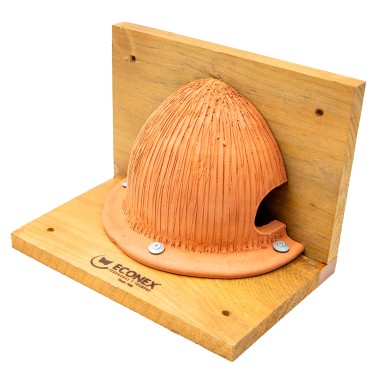
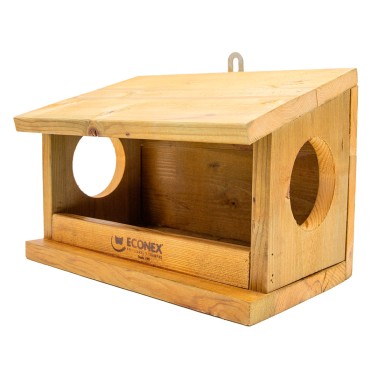
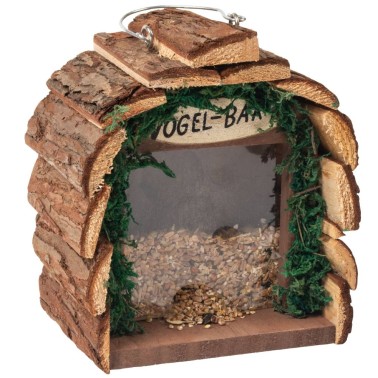
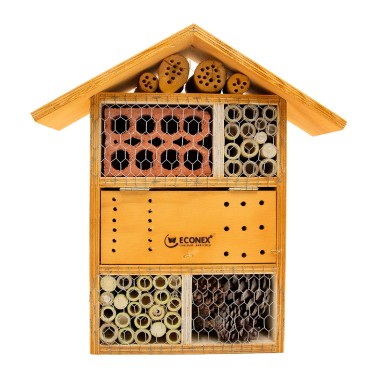

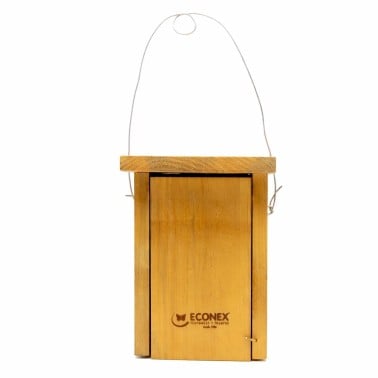
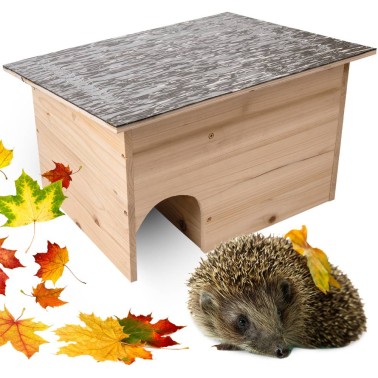
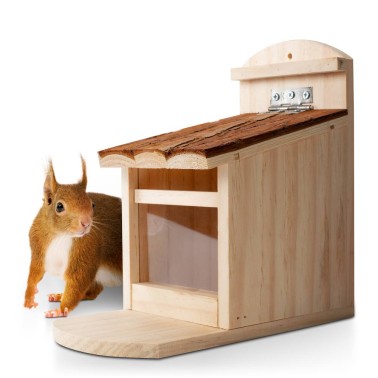
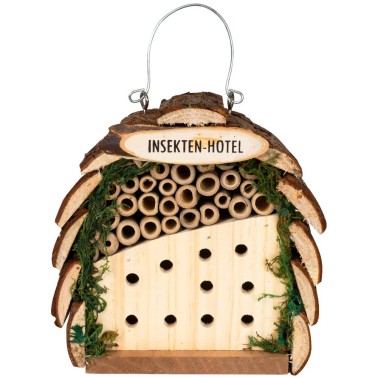
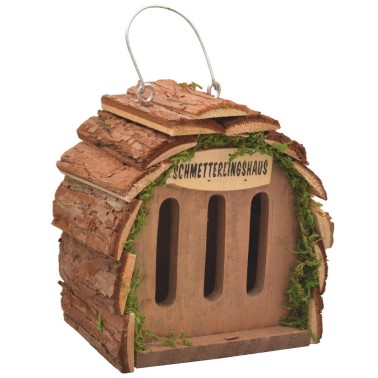
Animal houses, nest boxes and wildlife shelters help create safer spaces for birds, bats, hedgehogs, squirrels, insects and other beneficial species. They are useful in gardens, orchards, farms, schools, conservation projects and urban biodiversity areas.
This category is not about repelling animals. It is designed for projects that want to attract, protect or support useful wildlife with nest boxes, shelters, feeders and insect hotels adapted to each species.
| Goal | Recommended products | Best use |
|---|---|---|
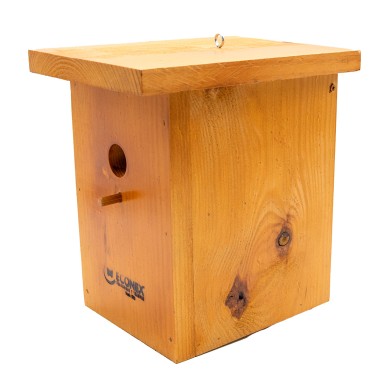
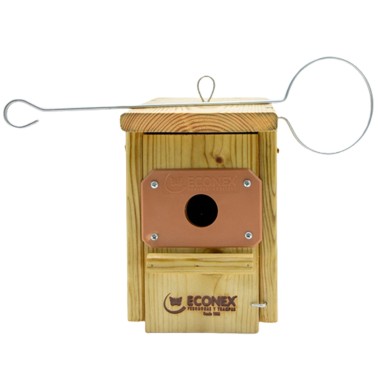
| Small garden birds | Bird Nesting House "Nature" and Solid Wood Bird Nesting Box | Gardens, patios, schools and quiet green areas. |
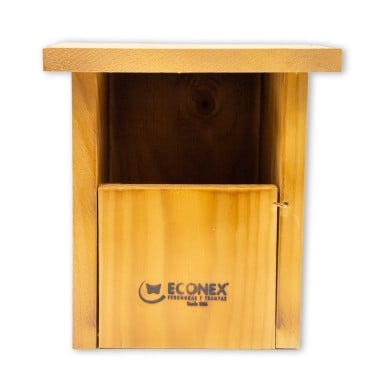
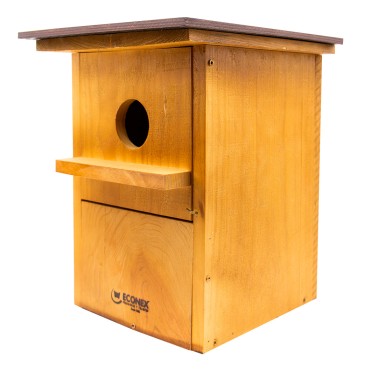
| Insectivorous birds | Solid Wood Nesting Box for Insectivorous Birds, Natural Wood Nesting Box for Insectivorous Birds and Nest Box for Flycatchers | Orchards, gardens and areas where natural insect control is useful. |
| Urban birds and common house martins | Common House Martin Shelter | Facades, eaves and biodiversity projects in towns. |
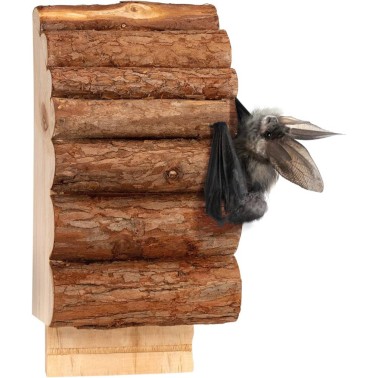
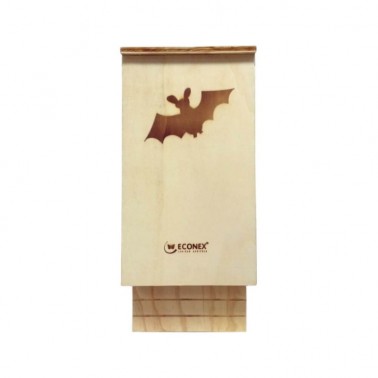
| Bats | Bat Box and Bat House | Gardens, farms, parks and areas with flying insects. |
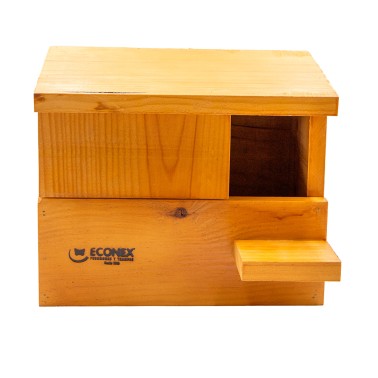
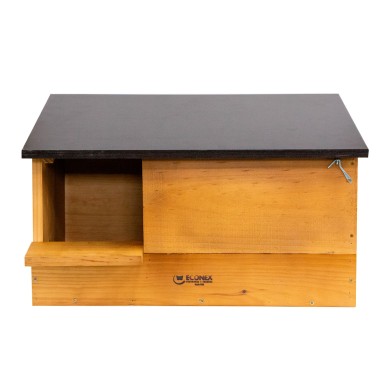
| Birds of prey | Solid Wood Nesting Box for Birds of Prey, Kestrel Nesting Box and Barn Owl Nest Box | Rural properties, farms and conservation projects. |
| Insects and pollinators | Insect Hotel, Insect Shelter and Butterfly House | Gardens with flowers, orchards and educational projects. |
| Hedgehogs | Hedgehog House and Hedgehog Shelter | Quiet garden corners, hedges and naturalised spaces. |
| Small mammals | Dormouse Shelter and Squirrel Feeder House | Wooded gardens, parks and environmental education areas. |
| Feeding wild birds | Bird Feeder and Bird Feeder "Bird Bar" | Seasonal support for birds in gardens and balconies. |
Animal houses can turn a garden or orchard into a more balanced habitat. Nest boxes support birds during the breeding season, shelters offer refuge during adverse weather, and feeders can provide seasonal food support when natural resources are limited.
For small birds, choose compact nest boxes such as the Bird Nesting House "Nature" or the Solid Wood Bird Nesting Box. Place them in calm areas, protected from direct midday sun and strong rain.
In municipalities, schools, farms and conservation areas, nest boxes and shelters help make biodiversity actions visible and practical. A balanced project usually combines different habitats: birds, bats, pollinators and small mammals.
For insectivorous birds, use models such as the Solid Wood Nesting Box for Insectivorous Birds, the Natural Wood Nesting Box for Insectivorous Birds or the Nest Box for Flycatchers.
Nest boxes are not all the same. Entrance size, internal space, wood thickness and placement height should match the target species. For common house martins, the Common House Martin Shelter is suited to buildings and eaves where this type of bird can settle.
Feeders are a complement, not a replacement for natural habitat. The Bird Feeder and Bird Feeder "Bird Bar" are useful for controlled feeding points, especially in colder periods or in gardens where birds already visit.
Bats need calm, stable and elevated shelters. The Bat Box and Bat House can be installed on walls, trunks or posts, preferably in quiet places with good flight access.
Raptor nest boxes are suitable for rural and conservation projects with enough space and the right habitat. Consider the Solid Wood Nesting Box for Birds of Prey, the Kestrel Nesting Box or the Barn Owl Nest Box only where installation and monitoring can be done responsibly.
Insects need flowers, water, pesticide-free areas and small shelters. The Insect Hotel, Insect Shelter and Butterfly House work best when placed near diverse vegetation rather than isolated on an empty wall.
For ground wildlife, install shelters in quiet, protected corners. The Hedgehog House and Hedgehog Shelter suit natural garden edges, while the Dormouse Shelter and Squirrel Feeder House are better for wooded settings.
| Project | Recommended combination | Reason |
|---|---|---|
| Family garden | Bird nest box + insect hotel + hedgehog shelter | Creates refuge, nesting and pollinator support in a simple way. |
| Vegetable garden or orchard | Insectivorous bird nest box + bat house + insect shelter | Encourages useful wildlife linked to natural balance. |
| School project | Bird nest box + butterfly house + feeder | Easy to observe and useful for environmental education. |
| Rural property | Raptor nest box + bat box + pollinator shelter | Fits larger spaces where habitat conditions are suitable. |
Install nest boxes before the breeding season whenever possible, and shelters before periods of cold or strong heat. Maintenance should be simple and cautious: inspect only outside sensitive periods, clean feeders regularly and avoid disturbing occupied shelters.
A nest box is mainly for breeding. A shelter offers refuge or resting space. A feeder provides food support. An insect hotel offers cavities and materials for beneficial insects. Combining them makes sense when the surrounding habitat also provides food, water and vegetation.
It depends on the species you want to support. For a balanced garden, combine a bird nest box, an insect hotel and a hedgehog shelter if the area is quiet and has vegetation.
Ideally, install them before the breeding season so birds can discover them calmly. Shelters can also be installed before winter or before hot periods.
Place it in a calm, stable position, protected from strong sun, heavy rain and constant disturbance. The entrance should remain clear and safe.
They can use them when the location is quiet, elevated and has good flight access. Occupation is not immediate and depends on the local habitat.
Yes, when they are placed near flowers, vegetation and pesticide-free areas. They are most effective as part of a broader pollinator-friendly habitat.
Feeders can be useful in periods when food is scarce, but they must be kept clean and managed responsibly to avoid health problems.
Yes, but only outside sensitive periods and when they are not occupied. Always handle them carefully and avoid disturbing wildlife.
It may take weeks, months or more than one season. Occupation depends on species presence, location, food, water and safety.
No. These products are designed to support biodiversity, nesting, feeding or refuge. They are not deterrents.
Yes. They are well suited to environmental education, municipal biodiversity plans and conservation projects when installed and monitored responsibly.
At BirdGard Iberia you will find nest boxes, wildlife shelters, feeders and insect hotels for biodiversity projects, gardens, orchards and educational spaces. If you need help choosing the right combination, contact us and we will advise you free of charge.