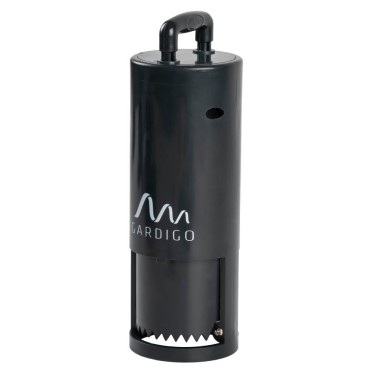
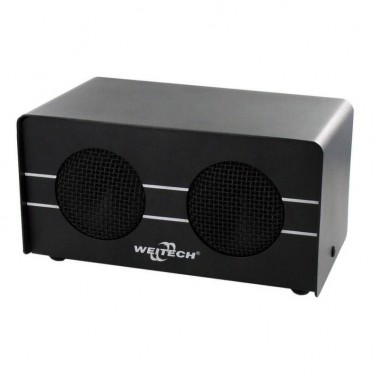
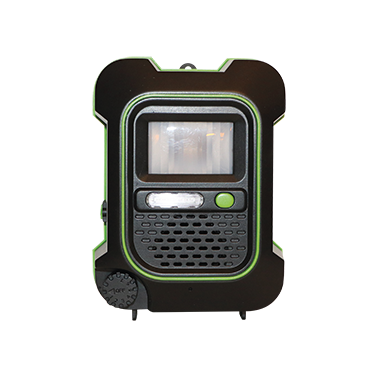
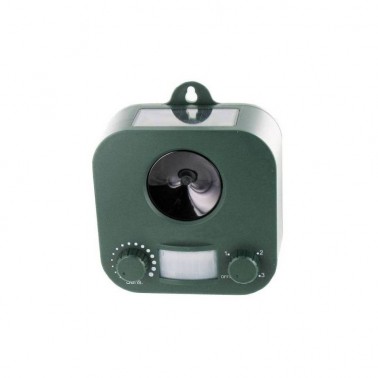
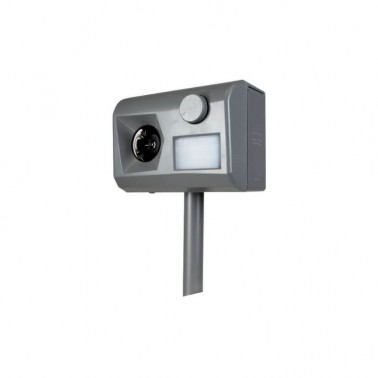
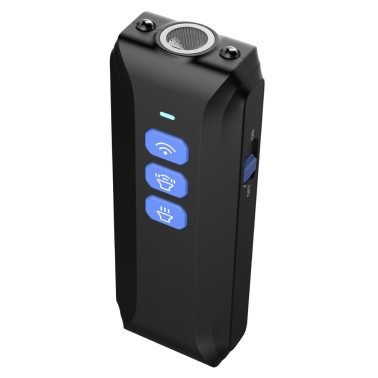
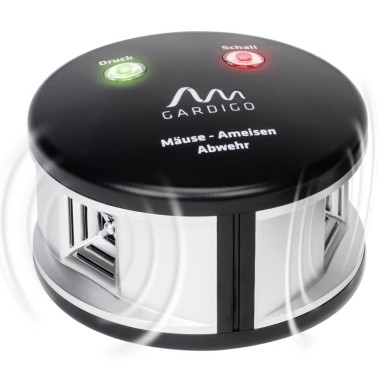
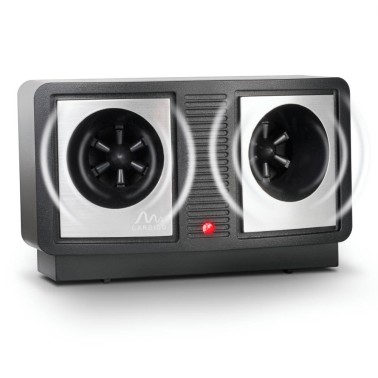
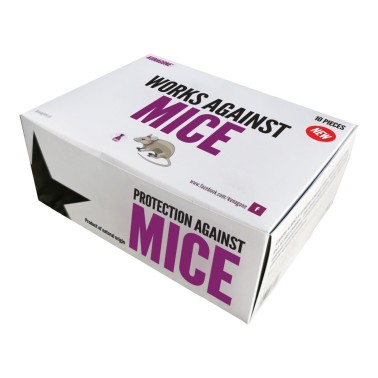
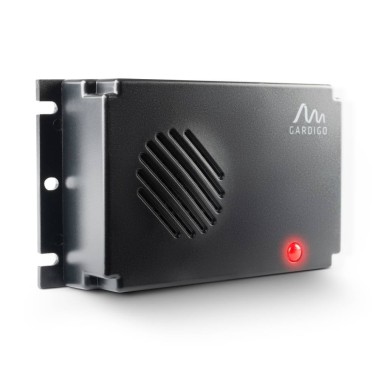
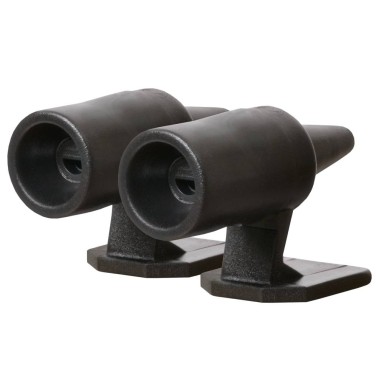
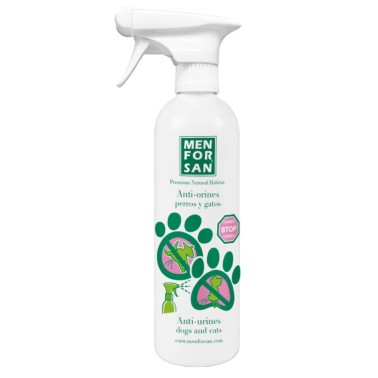
There are many ways to keep an unwanted animal away, and each method fits a different situation. On this page, we help you choose the right method for your case and explain, one by one, how each type of animal repeller works. If you prefer to search directly by the animal you are dealing with, you can do so in animal repellers by species.
How to choose the right method
Before deciding, keep five questions in mind. Answering them helps you choose better from the start:
- Indoor or outdoor? Indoors and in enclosed spaces, ultrasonic devices and repellents can work well; in open outdoor areas, audible sound, light or water-based systems are often more suitable.
- How large is the area? For a specific point, a small device may be enough; for large agricultural or rural areas, sonic animal repellers usually offer greater coverage.
- Which animal is it? Animals that live or move underground, such as moles and voles, usually respond better to vibrations. For reptiles, it is usually more important to reduce shelter areas and use specific repellents.
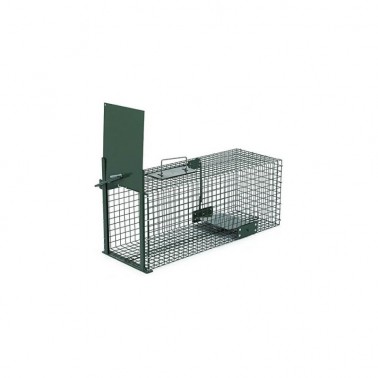
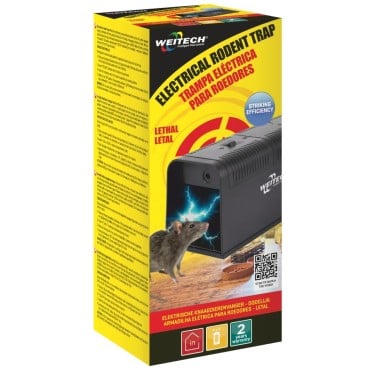
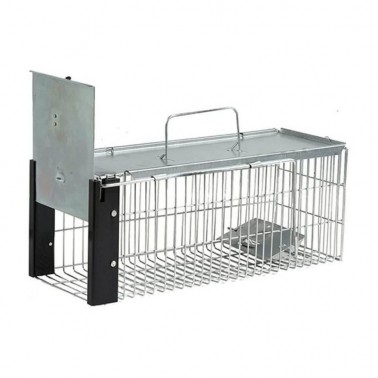
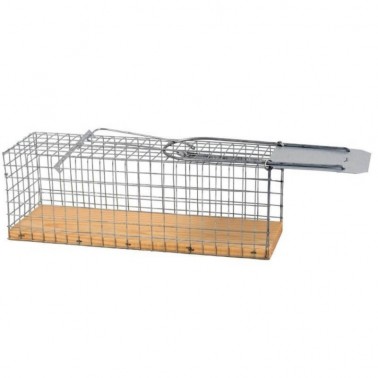
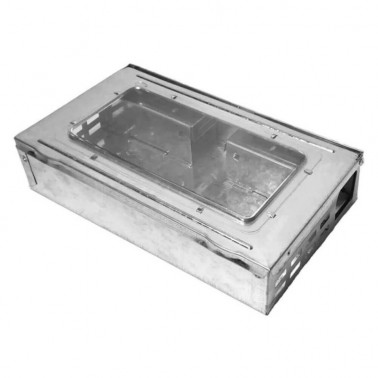
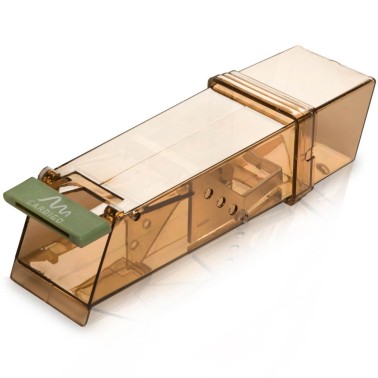
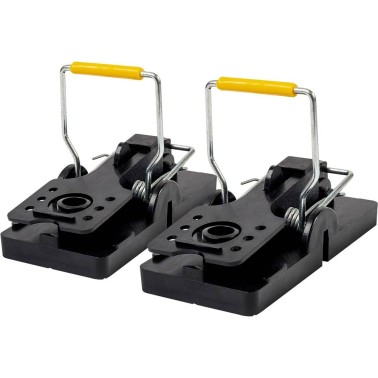
- Do you want to deter or directly control the animal? If the aim is to keep the animal away, choose a deterrent. If you need to act on specific animals, you can consider a trap: some models allow the animal to be captured alive and removed, while for certain rat and mouse problems indoors, electric traps eliminate the rodent without using poisons or rodenticides.
- Do you need acoustic discretion? Ultrasound is almost inaudible and can be suitable for areas with neighbours; audible sound usually offers more coverage, but it can also be more disruptive.
And one key idea: combining two different methods usually improves effectiveness. A sonic deterrent together with a physical barrier, for example, can work better than either method on its own, because the animal encounters several stimuli or obstacles at the same time.
Quick comparison of methods
This table summarises when each type of solution may be most suitable:
| Type of solution |
Best for |
Not recommended if... |
| Ultrasound |
Indoors, garages, vehicles, false ceilings, semi-enclosed areas and certain rodents or small animals. |
There are walls, partitions, furniture or solid obstacles between the device and the animal. |
| Audible sounds |
Large areas, farms, crops, rural areas and animals such as wild boars, deer or roe deer. |
You need a silent solution or there are neighbours very close by. |
| Vibrations |
Moles, voles and animals that live or move underground. |
The problem is not related to the ground or underground galleries. |
| Light |
Nocturnal animals, rural areas, properties, pens and prevention against predators. |
The area has a lot of ambient lighting or the animal appears mainly during the day. |
| Water |
Gardens, vegetable patches, terraces, ponds and animals entering through specific points, such as cats. |
You do not have a water connection or do not want to wet the protected area. |
| Repellents |
Passage points, crops, entrances, shelter areas, reptiles, martens, rodents or animals that damage plants. |
You cannot reapply the product when necessary, especially after rain or watering. |
| Physical barriers |
Specific access points, trees, ponds, walls, entrances or areas where you want to physically prevent passage. |
The animal is already inside the area and exit or access points have not been checked first. |
| Traps |
Cases where deterrence is not enough and it is necessary to act directly on specific animals through capture or rodent control. |
You cannot use and check the trap according to the manufacturer’s instructions or you are not sure which type of trap is suitable for the animal and environment. |
The methods, one by one
Ultrasound
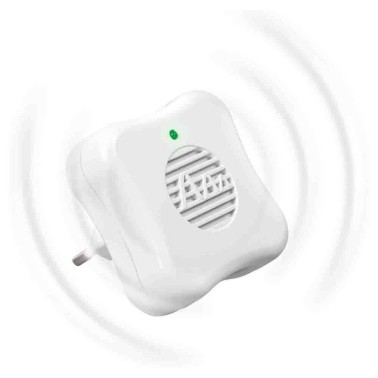
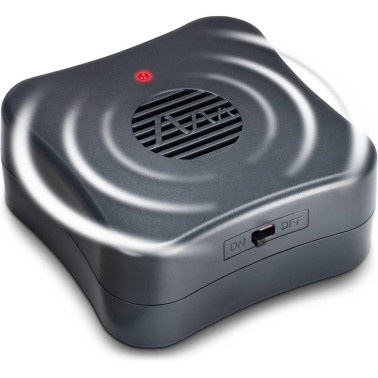
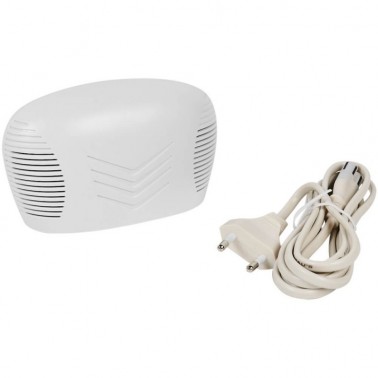
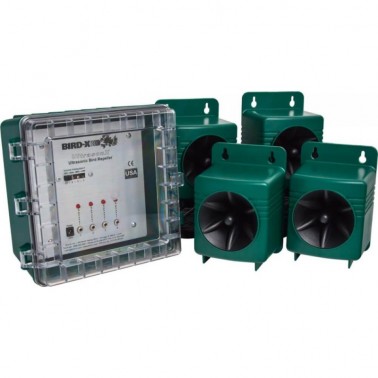
Ultrasonic animal repellers emit high-frequency sounds that are almost inaudible to people. They are a good option indoors and in semi-enclosed spaces, especially against rodents and animals with sensitive hearing. In open outdoor areas, their range is more limited and it is important to consider whether there are obstacles.
It is important to bear in mind that ultrasound does not pass through walls, partitions or solid obstacles. For the device to work correctly, it must be placed in the same room or area you want to protect, facing the place where the animal appears.
Audible sounds
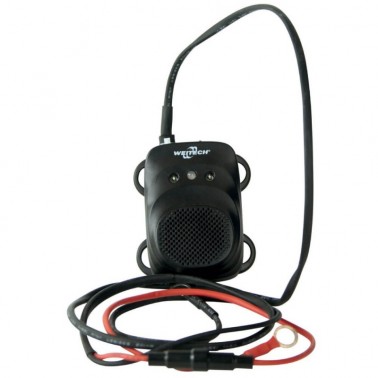
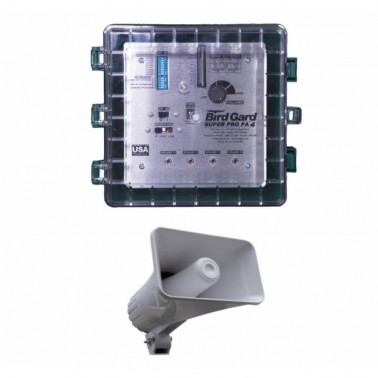
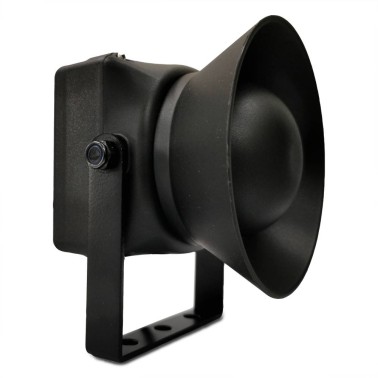
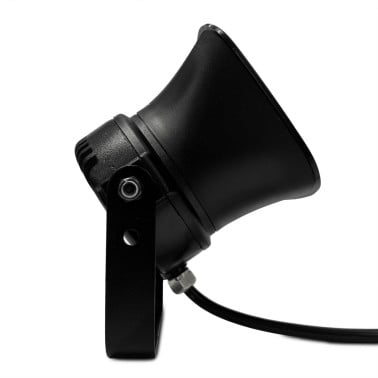
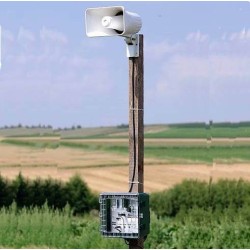
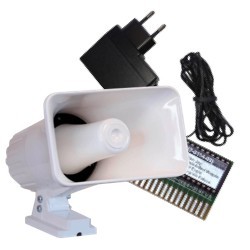
Sonic animal repellers reproduce acoustic signals that the animal may associate with danger or threat. They offer the greatest coverage and can be especially suitable for large agricultural areas, farms and rural zones with problems involving wild boars, deer or roe deer. Since they are audible, it is always important to assess the surroundings and the presence of neighbours.
Vibrations
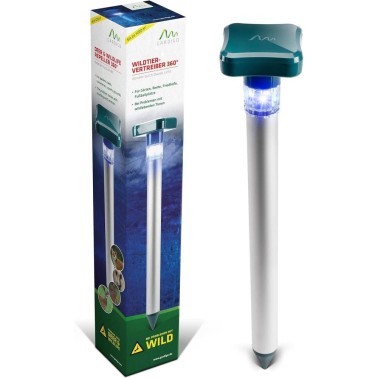
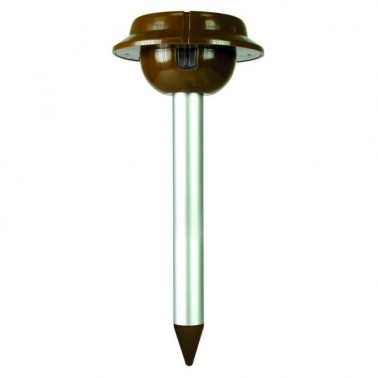
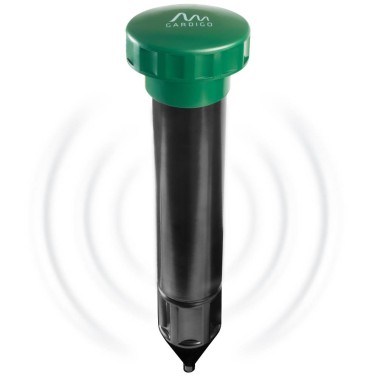
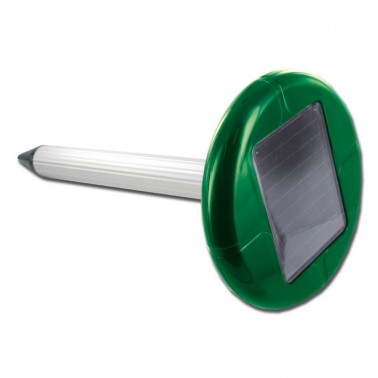
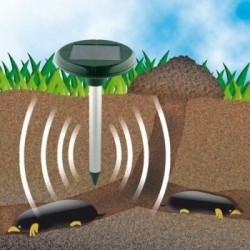
Vibration-based animal repellers generate light vibrations in the ground that are unpleasant for animals that live or move underground, such as moles and voles. This is a specific method for underground fauna and for problems located in gardens, lawns or soil areas.
Light
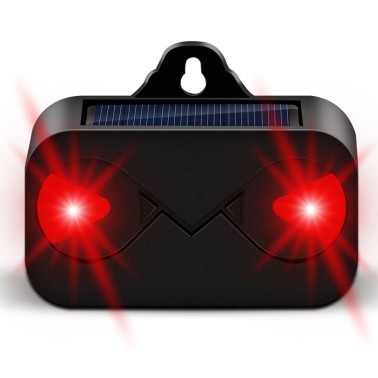
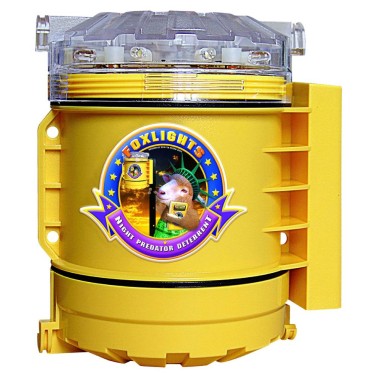
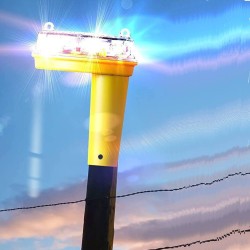
Deterrent lights emit flashes that simulate presence or movement and help make an area less attractive to nocturnal animals such as foxes, wolves, rabbits or wild boars. They work best as a preventive measure and in combination with other protection methods.
Water
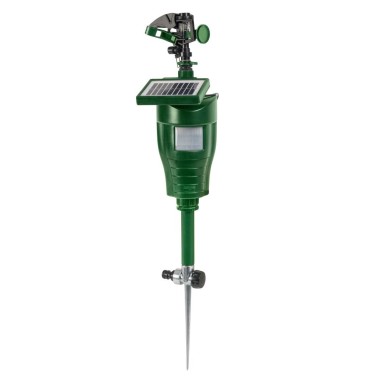
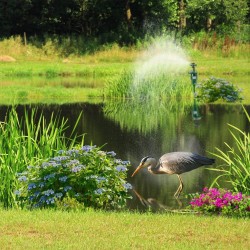
Water-based animal repellers detect the animal with a motion sensor and release a jet of water that surprises it and drives it away. They are very useful in gardens, vegetable patches, ponds or terraces to keep cats and other animals away, provided there is a water connection available.
Repellents
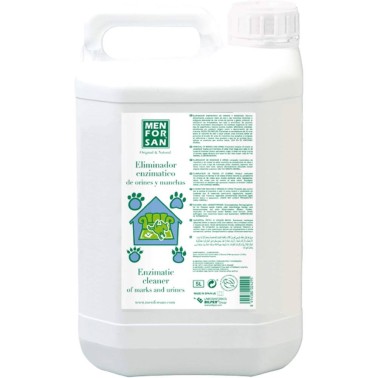
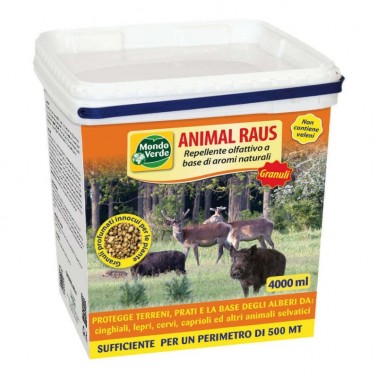
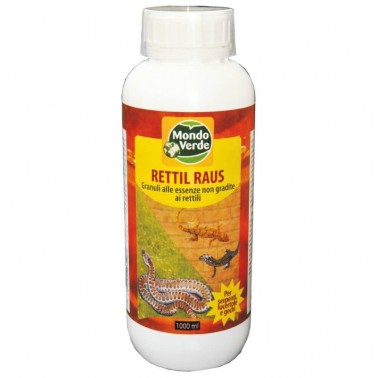
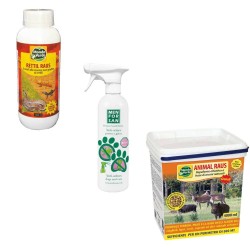
Repellents create a smell or taste barrier that is unpleasant for the animal. They are practical against reptiles, martens, rodents or for protecting crops and plants from animals such as wild boars, rabbits or deer. They usually need to be reapplied from time to time, especially outdoors where they are exposed to rain or watering.
Physical barriers
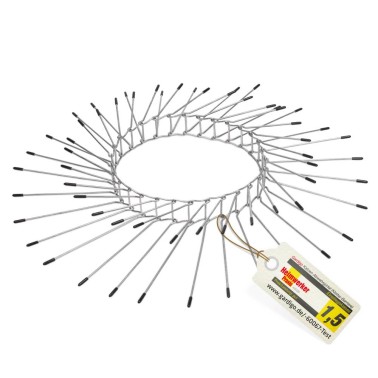
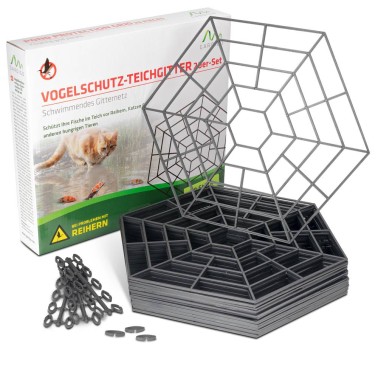
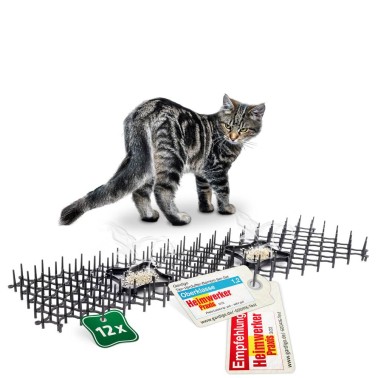
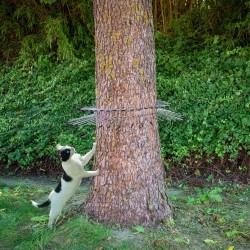
Physical barriers prevent access or passage by means of a material protection system: spikes to deter cats, tree protectors, floating pond nets or other exclusion systems. They are a durable, non-electronic solution for specific points.
Traps
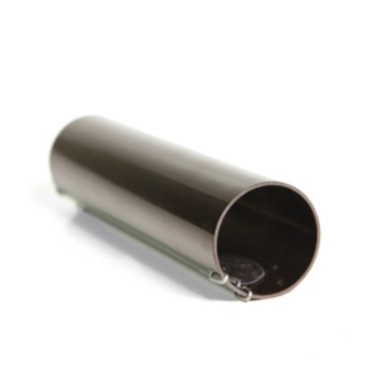
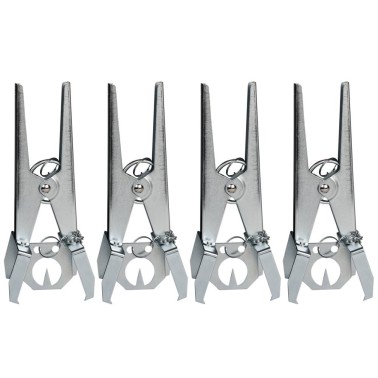
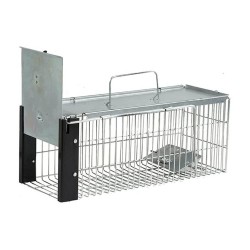
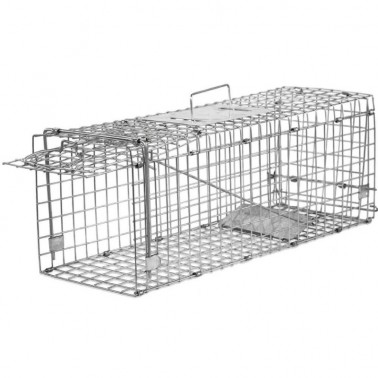
Traps allow you to act directly on specific animals when deterrence is not enough. Different systems are available depending on the animal and the objective: some traps allow the animal to be captured alive and removed afterwards, while others, designed for rat and mouse control indoors, work by means of an electric shock and eliminate the rodent without the need to use poisons or rodenticides. It is important to choose the right type of trap, follow the manufacturer’s instructions and always comply with the applicable regulations.
Frequently asked questions
What is the most effective animal repeller?
There is no single method that is best for every situation. Effectiveness depends on the animal, the environment, the size of the area and whether you are acting preventively or dealing with an established problem. In most cases, the most effective solution is not a single device, but the combination of two methods that reinforce each other.
Can several methods be combined?
Yes, and it is often the most advisable approach. Combining, for example, a sonic or light-based deterrent with a physical barrier or a repellent creates a synergistic effect: the combined result can be greater than each method on its own, because the animal encounters several obstacles at once and finds it harder to get used to them.
Do they work without electricity? Are there solar or battery-powered options?
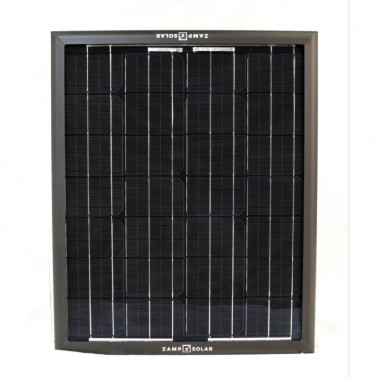
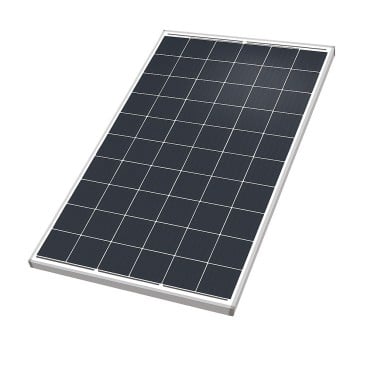
Many do. There are devices that work with batteries, rechargeable batteries or solar panels, ideal for farms, gardens or places without access to mains electricity. Repellents and physical barriers also do not need any energy source. If your site has no power supply, let us know and we will guide you towards autonomous options.
How long do they take to work?
It depends on the method and the animal’s level of habituation. Methods that work by surprise, such as water or light, can have a very fast effect. Others, such as ultrasound or repellents, may need days or a few weeks until the animal changes its habits. In some cases, it is advisable to move the device from time to time to prevent the animal from getting used to it.
Does ultrasound pass through walls?
No. Ultrasound does not pass through walls, partitions or solid obstacles. For it to work properly, the device must be placed in the same room or area you want to protect, facing the area where the animal appears.
Are these methods animal-friendly?
Most of our methods are designed to deter animals without harming them, using ultrasound, sound, vibrations, light, water, repellents or physical barriers. We also offer live-capture traps that allow the animal to be removed alive. However, for certain rat and mouse problems, we also offer electric traps that eliminate the rodent. It is therefore important to check how each solution works and its intended use before choosing it.
Accessories and advice
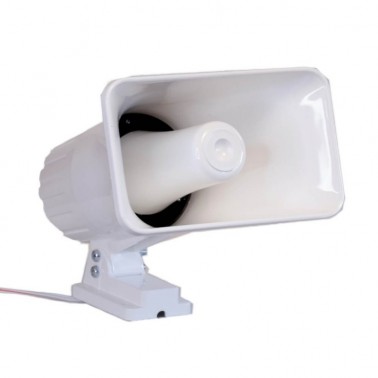
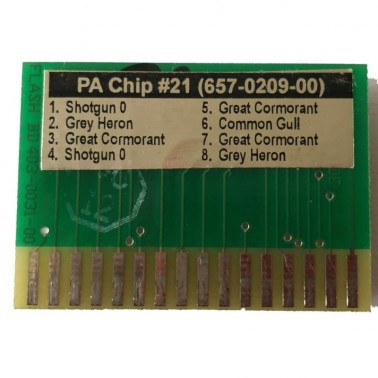
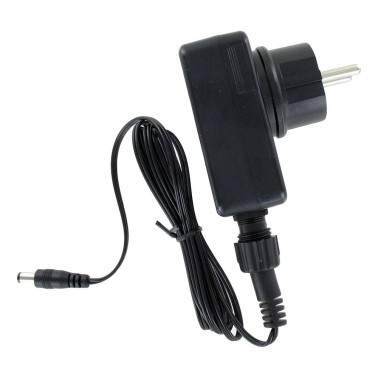
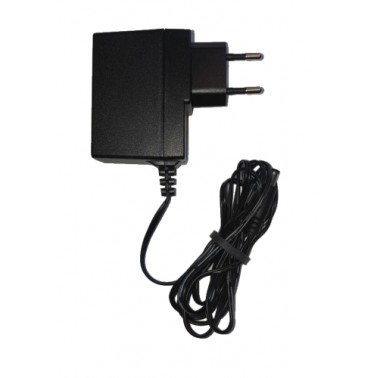
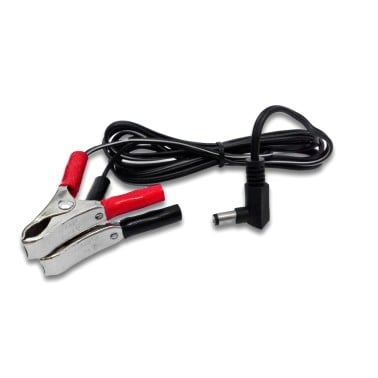
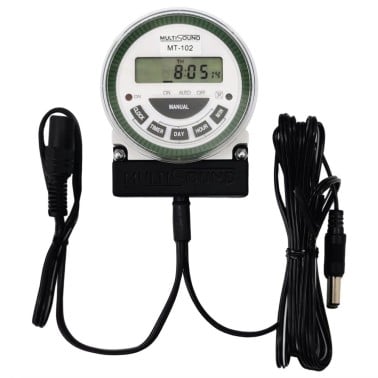
Complete your equipment with accessories —solar panels, speakers, adapters, sound cards and spare parts— which allow you to extend the coverage or keep your device running without delays.
If you are not sure which method best fits your case, contact us: we will advise you free of charge. And remember that some species are protected by law and their management may require prior authorisation; if in doubt, consult the competent authority.

 28 reviews