When deterrence is not enough and you need to remove or control the presence of an animal, traps can be a practical solution. In this category you will find traps without poisons or chemicals: live capture cages, multi-catch traps, reusable mechanical traps, electric rodent traps and specific traps for underground galleries.
Some traps are designed to catch the animal alive, while others act as targeted control systems depending on the species and the type of problem. On this page we explain the main types of animal traps, how to choose the right one and what guidelines to follow for correct use.
Which trap to choose depending on the problem
| Problem |
Recommended trap |
Why it fits |
| Medium-sized animal in a garden, estate, warehouse or outdoor area |
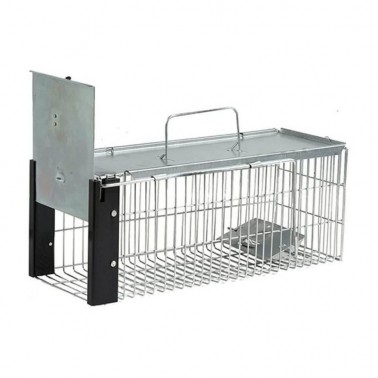
Folding Trap Cage |
Available in several sizes, allowing the capture system to be adapted to the animal and the placement area. |
| Rabbits in vegetable plots, gardens or crops |
Capture Cage for Rabbits |
A rabbit-specific cage designed to be placed with vegetable bait in passage areas or near recent damage. |
| Rats indoors, in warehouses, garages or passage areas |
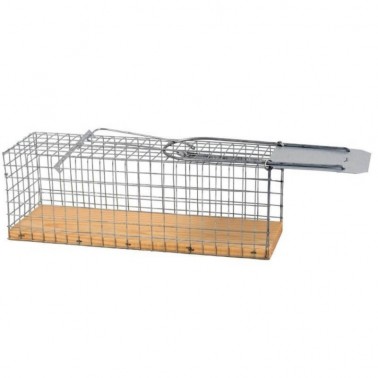
Rats Cage |
Allows rats to be captured without using poison, especially where chemicals should be avoided. |
| Mice indoors or in areas with repeated activity |
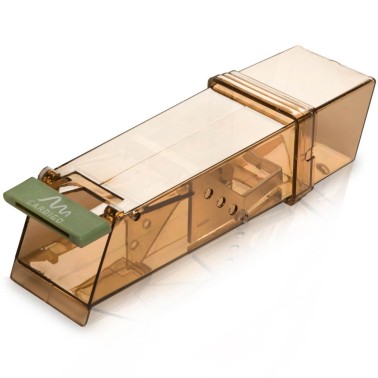
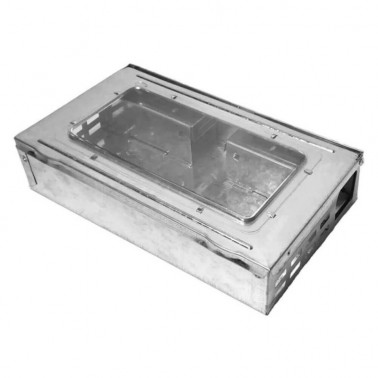
Capture Cage for Mice, Mutli Catch Mice Trap Cage or Mimetic-Mhouse |
Suitable options for occasional captures or more persistent mouse problems indoors. |
| Targeted mouse control |
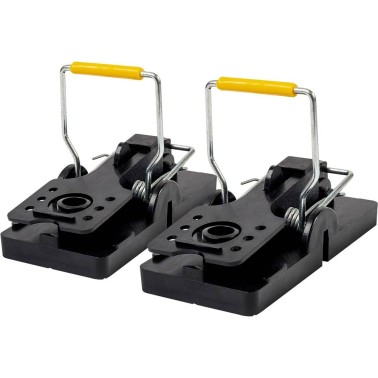
Live Mouse Trap or Mouse Trap - Set of 2 |
Reusable mechanical traps for specific points where activity has been detected. |
| Rats and mice indoors when you want to avoid poisons or rodenticides |
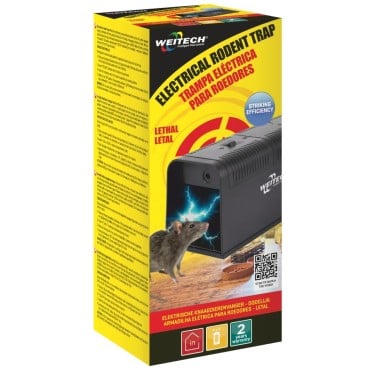
Electric Rat & Mouse Trap – Weitech WK0650 |
Eliminates rats and mice with a 5000 V electric shock. It is battery-powered, keeps the rodent inside the device and provides rodent control without poisons or rodenticides. |
| Moles in lawns, gardens or soil |
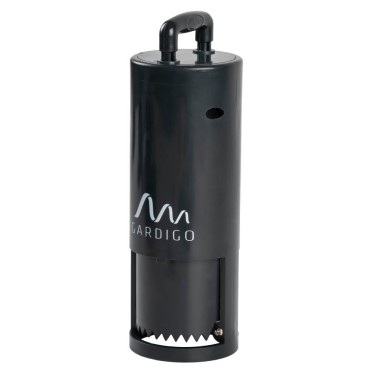
Mole Trap |
Placed directly in the active tunnel. Moles are not attracted with bait because they feed on earthworms and insects. |
| Voles in vegetable plots, crops, roots or shallow galleries |
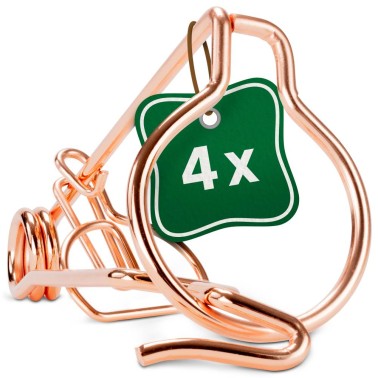
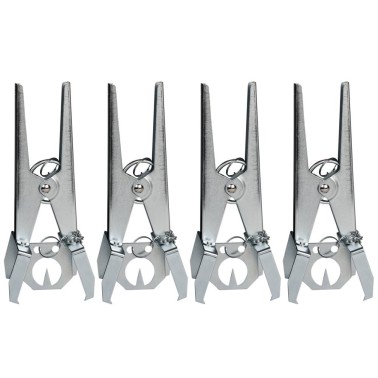
Vole Trap, Vole Traps - Set of 4 or Vole Traps | Set of 4 Tong Traps |
Specific traps for active vole galleries, especially when roots, bulbs or crops are damaged. |
Types of animal traps
Not all traps work in the same way or suit the same animals. The right choice depends on the species, the animal's size, where it moves and the type of damage it is causing.
Live capture cages
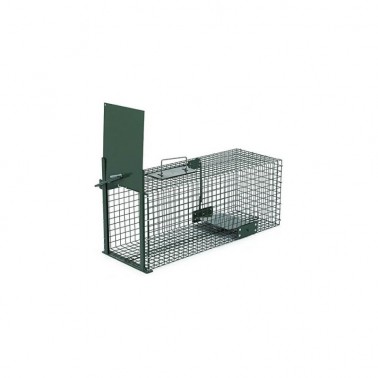
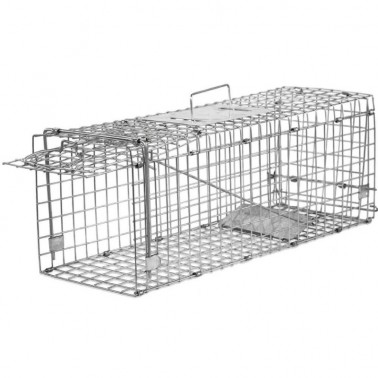
Live capture cages catch the animal inside a closed structure. The animal enters attracted by bait and the door closes behind it. They are useful when you need to remove an animal from a specific area without poison or chemicals.
Within this family you will find the Folding Trap Cage, available in several sizes, the Capture Cage for Rabbits, the Rats Cage and the Capture Cage for Mice.
For domestic animals, protected species or wildlife whose capture may be regulated, always check before acting and contact the competent authority if there is any doubt.
Multi-catch mouse traps
Multi-catch traps are designed to catch several mice in the same trap. They are especially useful indoors, in warehouses, garages, storage rooms or areas with repeated activity.
The Mutli Catch Mice Trap Cage can be a good option for mouse problems in specific areas. For heavier or more professional use, you can also consider Mimetic-Mhouse.
Mechanical rodent traps
Mechanical rodent traps are reusable solutions for specific points where mouse activity has been detected. They are usually placed along walls, furniture, passage areas or places where droppings, damage or food remains appear.
In this category you will find the Live Mouse Trap and the Mouse Trap - Set of 2.
Electric traps for rats and mice
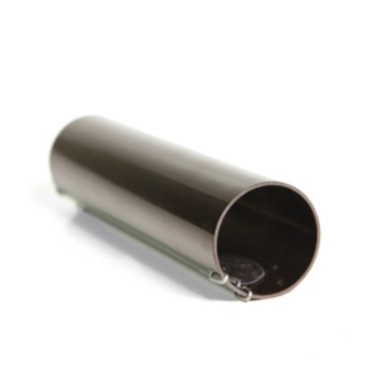
Electric rodent traps are designed to control rats and mice indoors without using poisons or rodenticides. The rodent enters a tunnel attracted by bait and, when it comes into contact with the metal plates, receives an electric shock that eliminates it.
The Electric Rat & Mouse Trap – Weitech WK0650 runs on 4 C/LR14 batteries and generates a 5000 V electric shock. The rodent remains inside the device and an indicator light shows when a catch has occurred. It is reusable and designed exclusively for indoor use.
Tunnel traps for moles and voles
Moles and voles are a separate case. They are not caught like an animal entering a cage, but by acting directly on the underground gallery. Traps must therefore be placed in active tunnels, not just anywhere in the garden.
For moles, you can use the Mole Trap. For voles, choose between the Vole Trap, Vole Traps - Set of 4 or Vole Traps | Set of 4 Tong Traps, which act from both tunnel directions.
How to choose the right trap
The key is to match the trap to the animal and the environment. A trap that is too small, badly placed or baited incorrectly may fail even if the product is suitable.
- By animal size: for small animals such as rats or mice, use specific traps or small cages. For medium-sized animals, a larger and stronger cage may be needed. For moles and voles, use tunnel traps.
- By location: indoors, compact, multi-catch, mechanical or electric rodent traps often work best. In gardens, vegetable plots or estates, cages or gallery-specific traps may be more suitable.
- By type of damage: droppings or gnawing indoors usually point to rats or mice. Mounds or galleries in the soil may indicate moles or voles. For plant or crop damage, identify the species before choosing.
If you are looking for solutions for a specific animal, you can also consult our pages on cats, rabbits, rats and mice, moles and voles or martens and mustelids.
How to use a trap correctly
A good trap placed badly may not catch anything. To improve results, follow basic guidelines for bait, placement, handling and checking.
Choose the right bait
Bait must match the animal. For rats and mice, strong-smelling foods such as peanut butter, nuts, chocolate or cereals often work well. For rabbits, vegetable bait such as carrot, apple or fresh leaves can be used.
Moles are not attracted by vegetable bait because they are insectivores and feed mainly on earthworms and soil insects. Their trap must be placed directly in the active tunnel.
Place the trap in the passage area
Placement is decisive. Put the trap where the animal already moves: near tracks, droppings, recent damage, entry points, burrows, galleries or passage areas. For rats and mice, it is usually best to place it close to walls, furniture or hedges because they tend to move along edges.
Handle the trap carefully
Use gloves to handle the trap and bait. This helps avoid unfamiliar smells that can make some animals wary and is more hygienic, especially with rodents.
For electric traps, always switch the device off before adding bait, removing the rodent, cleaning the trap or carrying out any other handling. Follow the manufacturer's instructions and keep the trap out of reach of children and pets.
Check the trap frequently
Traps should be checked often, ideally every day. This is especially important with live capture traps, so the animal does not remain captured longer than necessary and can be managed quickly according to the situation. Electric traps should also be checked regularly so the rodent can be removed and the device prepared for further use.
Responsible capture and regulations
Using a trap involves responsibility. With live capture traps, the animal must be checked frequently and managed as soon as possible, avoiding unnecessary stress. Depending on the species and local regulations, it may be necessary to release it in a suitable area, contact the competent authority or follow a specific procedure.
Rules on capturing and releasing animals vary by country, region and species. Some animals may be protected, domestic or require authorisation for handling. Before using a trap, check the regulations and consult the competent authority if in doubt.
At BirdGard Iberia we recommend avoiding poisons and chemicals when more controlled alternatives are available. Traps make it possible to act in a targeted area and, by avoiding rodenticides, eliminate the poisoning risk associated with these substances. However, each type of trap requires its own safety precautions. Electric traps in particular must be kept out of reach of children and pets and always handled in accordance with the manufacturer's instructions.
Frequently asked questions about traps
What bait should I use in a trap?
It depends on the animal. For rats and mice, strong-smelling baits such as peanut butter, nuts, chocolate or cereals often work well. For rabbits, use vegetable baits such as carrot, apple or fresh leaves. Moles are not attracted by bait because they eat earthworms and insects: their trap is placed directly in the tunnel.
Do all traps catch the animal alive?
No. Live capture cages are designed to catch the animal without harming it, but there are different types of traps. There are also multi-catch traps, mechanical traps, specific traps for moles and voles, and electric traps for rats and mice that eliminate the rodent with an electric shock. It is therefore important to check how each product works and choose the right trap according to the animal, environment and objective.
How does an electric rat and mouse trap work?
The trap uses bait to attract the rodent into a tunnel. When the rat or mouse comes into contact with the metal plates, the device delivers an electric shock that eliminates the animal. The Electric Rat & Mouse Trap – Weitech WK0650 runs on 4 C/LR14 batteries, generates a 5000 V electric shock and has an indicator light that shows when a catch has occurred. It is designed exclusively for indoor use and must be kept out of reach of children and pets.
Where should I place the trap so it works?
Place it where the animal already moves: near tracks, droppings, recent damage, entry points, galleries or burrows. For rats and mice, placement next to walls, furniture or edges usually works best.
How often should I check the trap?
Check it frequently, ideally daily. With live capture traps this is especially important so the animal is not left captured longer than necessary and can be managed according to the species and regulations. Electric traps should also be checked regularly so the rodent can be removed and the device prepared for further use.
Can I use the same trap for any animal?
No. Each animal requires a suitable trap type and size, as well as the correct placement and, where applicable, specific bait. A mouse trap is not suitable for rabbits, an electric rat and mouse trap is not designed for other animals, and a cage trap does not work like a tunnel trap for moles or voles. Correctly identifying the species before choosing is essential.
Are traps better than poison?
In many cases they can be a more controlled alternative because they allow targeted action and avoid the use of toxic substances. Poisons and rodenticides can create a poisoning risk for pets, children, wildlife and other non-target animals. Traps give greater control over where and how action is taken, although each type must be used according to its own instructions and safety precautions.
Is it legal to use traps to capture animals?
Regulations vary by country, region and species. Some animals may be protected, domestic or require authorisation for capture or handling. Before using a trap, check the rules and consult the competent authority if in doubt.
Animal traps at BirdGard Iberia
At BirdGard Iberia you will find a selection of poison-free traps for different animals: live capture cages, multi-catch traps, mechanical rodent traps, electric traps for rats and mice and tunnel traps for moles and voles. If you are not sure which one you need, Contact Us and we will advise you free of charge.

 28 reviews