Animal repellents are a simple way to make an area, plant or specific point less attractive to an animal. Instead of working through sound, ultrasound, light or water, they mainly act through smell, taste or by helping correct a habit, as in the case of dog and cat urine marking.
Among the types of animal repeller, repellents are especially useful when you want to protect a perimeter, entrance, specific plants, crops, a car, a garden or an area where the animal returns repeatedly. Many repellents are made with natural ingredients and are designed to deter without using poisons.
Which repellent to choose depending on the animal or problem
| Problem |
Recommended product |
Type of action |
| Reptiles in a garden, terrace, perimeter or outdoor area |
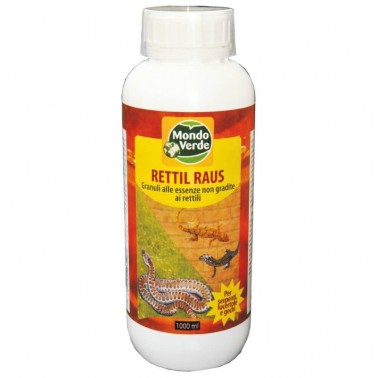
Snake and Lizard Repellent |
Odour repellent that creates an olfactory barrier against snakes, lizards, geckos and similar reptiles. |
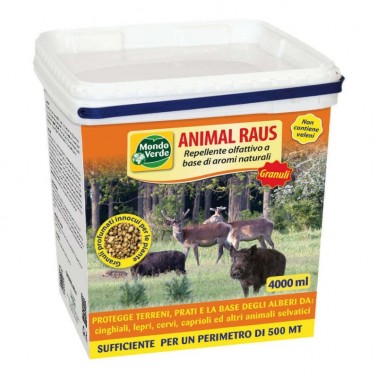
| Wild boar, deer or goats eating crops, shoots or plants |
Wild Boar Deer Repellent |
Taste repellent applied to vegetation so plants, shoots and crops become less attractive. |
| Martens in a car, garage, attic or enclosed space |
Natural Marten Repellent - Kunagone |
Natural odour repellent, especially useful in enclosed spaces or specific points where activity is detected. |
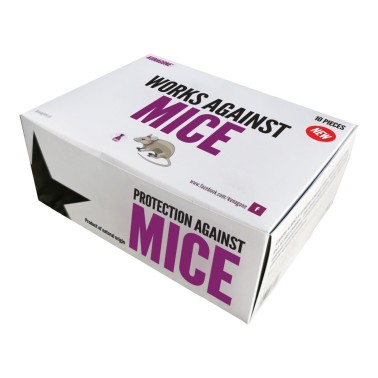
| Mice in interiors, garages, storage rooms or specific areas |
Kunagone Mice |
Natural odour repellent to help keep mice away from sensitive areas. |
| Moles in gardens or outdoor areas |
Kunagone Moles - Natural Repellent |
Natural odour repellent that can be used as a preventive or support measure against moles. |
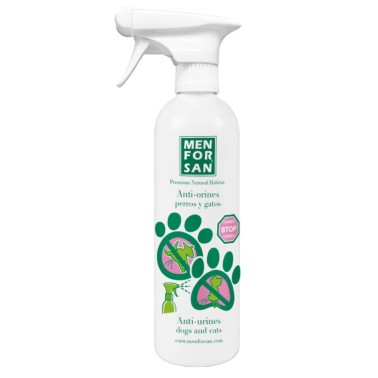
| Dogs and cats urinating repeatedly in the same point |
Anti Urine Spray for Dogs and Cats |
Corrective product to help prevent repeated marking on doors, facades, terraces and other specific areas. |
How repellents work: smell, taste and corrective cleaning
Not all repellents work in the same way. Choosing the right product type is essential. An odour repellent for a perimeter is not applied in the same way as a taste repellent on plants or an anti-urine product used to correct marking behaviour.
Odour repellents
Odour repellents create a smell barrier that the animal tends to avoid. They are applied in passage areas, entrances, perimeters, gaps, around cars, gardens, garages or points where activity has been detected.
This type of repellent is particularly suitable for reptiles, martens, mice or moles, provided it is applied in the right place and renewed when the smell loses intensity.
Taste repellents
Taste repellents are applied to plants, shoots, fruit trees, hedges, vineyards or crops. Their purpose is to make the vegetation unpleasant to eat, helping reduce browsing and nibbling.
They are a good option for animals that damage plants or crops, such as wild boar, deer, roe deer, goats or other animals that eat shoots, leaves or fruit.
Cleaning and habit correction
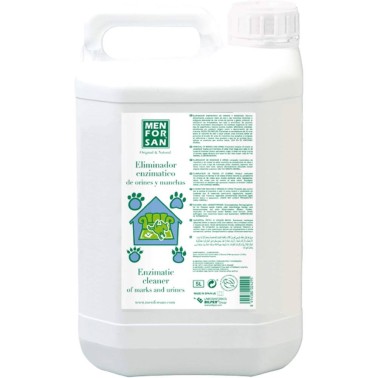
When dogs and cats urinate repeatedly in the same spot, covering the smell is not enough. The area should first be cleaned thoroughly, because if the trace remains, the animal may mark the same point again.
After proper cleaning, the Anti Urine Spray for Dogs and Cats can help make the animal stop choosing that point as a marking area.
Odour repellents for reptiles, martens, mice and moles
Odour repellents are useful when you want to protect a passage area, entrance, perimeter or specific point. They do not physically block access; instead, they make the place less attractive to the animal.
Taste repellents for crops, shoots and plants
When the problem is not simply that an animal enters an area, but that it eats plants, shoots or crops, a taste repellent is usually more appropriate. In this case, the product is applied directly to the vegetation you want to protect.
The Wild Boar Deer Repellent is designed to protect crops, fruit trees, shoots, hedges, vineyards and plants from browsing and nibbling. By creating an unpleasant taste, it helps reduce the animal's interest in that vegetation.
This type of solution can be useful in vegetable gardens, crops, gardens, farms or areas where animals enter to feed. You can learn more on the wild boar repellers and deer repellers pages.
Anti-urine repellent for dogs and cats
A different case is dogs and cats urinating repeatedly on doors, facades, terraces, wheels, corners or specific points. Here, residual smell is very important: if the animal still detects the trace, it is more likely to mark the same place again.
The Anti Urine Spray for Dogs and Cats helps prevent dogs and cats from continuing to choose that place as a marking area. For better results, clean the area first and repeat the application according to the product instructions.
You can also see related solutions on the cat repellers and dog repellers pages.
How to apply repellents so they work better
A well-chosen repellent can still perform poorly if it is applied in the wrong place. For best results, apply it where the animal actually passes, feeds, marks or enters, and keep the barrier active with periodic reapplication.
- Odour repellents: apply them at entrances, passage areas, perimeters, gaps, around cars or points where you detect activity.
- Taste repellents: apply them to the plants, shoots, leaves, fruit trees, hedges or crops you want to protect.
- Anti-urine products: clean the marked area first, then apply the product where the animal usually urinates.
- Reapplication: the effect is temporary, so repeat application from time to time.
- Rain and irrigation: water can reduce product duration, especially outdoors.
- Entry points: if the animal enters through a gap, door or fixed route, apply the product near that point.
- Combination: persistent problems may require combining repellents with physical barriers, ultrasound, water, light or traps.
Real limitations of repellents
Repellents can be very useful, but they are not a permanent or universal solution. They work best when the problem is well located and the product is reapplied correctly.
- The effect is temporary: smell or taste fades over time.
- Rain and watering matter: outdoors, water can wash the product away and require reapplication.
- They do not physically block access: if the animal has food, shelter or a very easy route, other measures may be needed.
- They are not all applied in the same way: some are used on perimeters, others on plants and others on urine-marked areas.
- They may be insufficient for large problems: on wide surfaces or with heavy animal pressure, they often work better as a complement.
- The animal must be identified correctly: choosing the wrong repellent can greatly reduce effectiveness.
Comparison with other animal deterrent types
Repellents are useful when you want to act through smell, taste or correction of a specific point. Even so, depending on the animal and environment, another technology or a combination may be more suitable.
| Deterrent type |
Best fit |
| Repellents |
Perimeters, entrances, plants, crops, urine-marking areas or specific points where smell or taste is the best approach. |
| Ultrasound |
Indoor areas, defined gardens, PIR sensors, vehicles or spaces where high-frequency acoustic deterrence is useful. |
| Water |
Gardens, vegetable plots, terraces, lawns and specific outdoor areas with a water supply. |
| Light |
Nocturnal animals, rural areas, pens, chicken coops or points where simulated presence can help. |
| Sound |
Larger surfaces, farms, crops or open spaces where more coverage is required. |
| Physical barriers |
When access to a vulnerable area needs to be physically blocked, limited or made difficult. |
| Traps |
When deterrence is not enough and the animal must be removed or controlled at a specific point. |
Frequently asked questions about repellents
What is the difference between an odour repellent and a taste repellent?
An odour repellent creates a smell barrier in a passage area, entrance or perimeter. A taste repellent is applied to plants, shoots or crops to make them unpleasant to eat. The right choice depends on whether you want to protect a space or specific vegetation.
Where should an odour repellent be applied?
Apply it at entrances, passage areas, perimeters, gaps, around cars, garages, gardens or points where animal activity has been detected. The key is to place it on the route or area the animal uses.
Where should a taste repellent be applied?
Apply it directly to the plants, shoots, leaves, fruit trees, hedges or crops you want to protect. Its goal is to make the vegetation less attractive when the animal tastes it.
How long does a repellent effect last?
The effect is temporary because smell or taste fades and rain or irrigation can reduce its duration. Reapply the product periodically and follow the instructions for each product.
Are natural repellents really effective?
They can help a lot, especially preventively and in specific areas. However, their effect is temporary and in large problems they usually work better as a complement to physical barriers, ultrasound, water, light or traps.
Do repellents replace traps or barriers?
Not always. Repellents help make an area less attractive, but they do not physically block access or capture the animal. If the problem is well established, there is significant damage or a clear entry point, they may need to be combined with barriers, traps or other deterrents.
Animal repellents at BirdGard Iberia
At BirdGard Iberia you will find animal repellents designed to act through smell, taste or habit correction: reptiles, martens, mice, moles, wild boar, deer, goats, dogs and cats. If you are not sure which one fits your case, contact us and we will advise you free of charge.

 8 reviews