Flies are not only annoying: when they land on food, waste, organic residues and surfaces, they can contaminate sensitive areas. Keeping them under control is especially important in kitchens, homes, terraces, food businesses, farms, stables and agricultural facilities.
The most effective way to control flies combines two steps: remove what attracts them and choose the right solution for each space. A few flies at home are not managed in the same way as flies on a farm, around an outdoor table or a fruit fly problem. If you are looking for lamps, electric fly killers or insect light traps, go directly to Fly killers. For other insect solutions, return to Pest Control - Insects.
Which fly solution to choose for each problem
| Situation |
Recommended solution |
Comment |
| Flies at home, in kitchens or on windows |
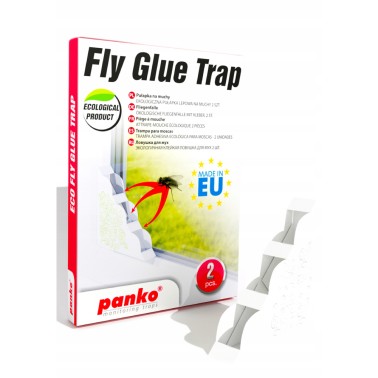
Fly Trap + hygiene and insect screens |
Discreet adhesive solution for capturing flies on windows and transit points. |
| Occasional flies indoors |
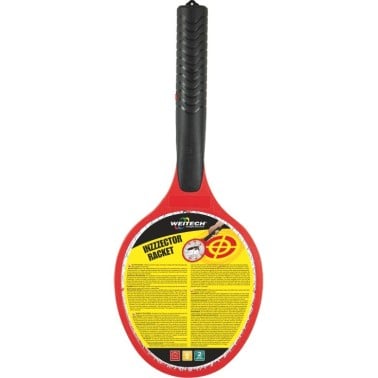
Electric Racket |
Fast, direct option for eliminating individual flies. |
| Flies around outdoor tables, terraces or food |
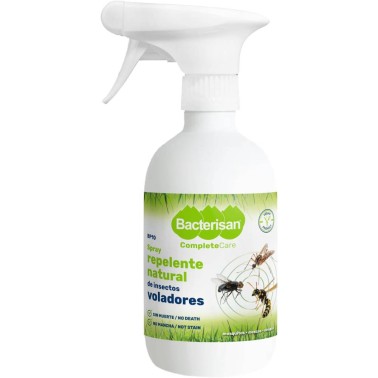
Fly Scare & Wasp Scram or Natural Flying Insect Repellent |
Deterrent options to help keep flies away while the area is in use. |
| Flies in farms, stables or greenhouses |
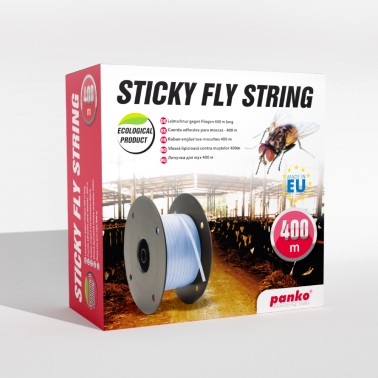
Fly Tape |
400 m roll designed for agricultural facilities, stables, farms and greenhouses. |
| Flies in restaurants, shops or work areas |
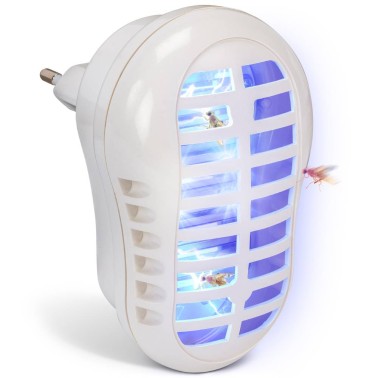
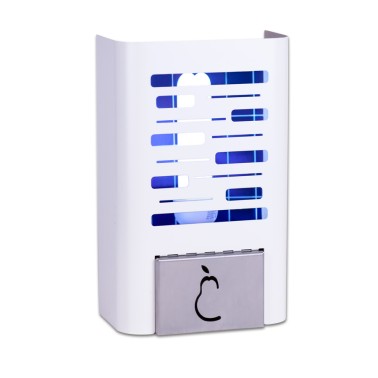
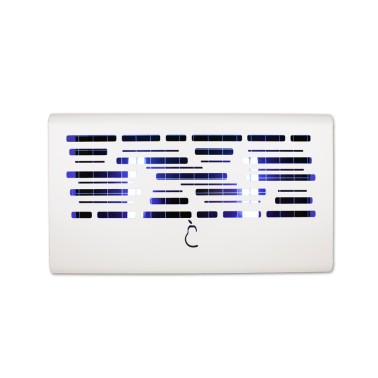
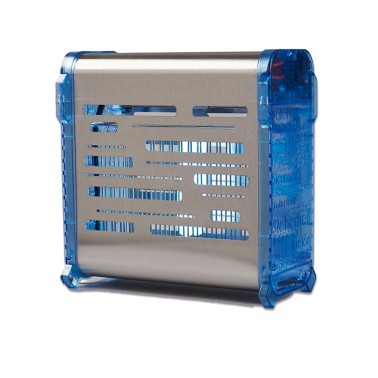
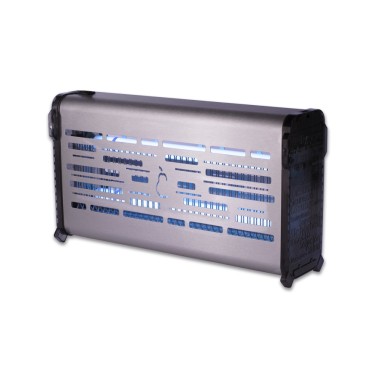
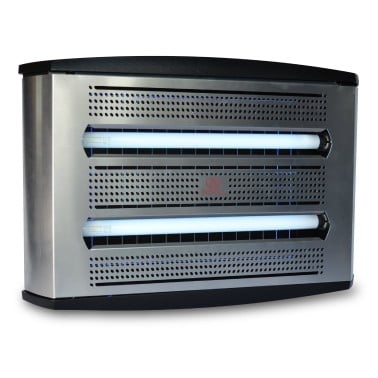
Fly killers, capture lamps and insect light traps |
For continuous capture and wider coverage in professional indoor spaces. |
| Fruit flies |
Fruit Fly Catcher + removal of breeding sources |
UV light helps capture them, but removing ripe fruit, organic waste and fermented liquids is essential. |
| Many flies suddenly |
Find and remove the source |
There may be waste, ripe fruit, dirty drains, droppings, organic matter or animals nearby. |
Types of flies and common situations
Before choosing a solution, identify the type of problem. Not all flies appear for the same reason, and they are not controlled in exactly the same way.
Common housefly
This is the usual fly found in homes, kitchens, terraces, stables, premises and areas with food or rubbish. Control combines hygiene, closed bins, insect screens, adhesive traps, rackets, repellents, fans and, when more coverage is needed, capture lamps or insect light traps.
Fruit fly
These small flies appear around ripe fruit, wine, vinegar, organic residues, rubbish bins or drains. Prevention is crucial: if the breeding source is not removed, new flies will keep appearing even after the adults are captured.
Flies in farms, stables and agricultural facilities
On farms, in stables, greenhouses and areas with animals, fly pressure can be much higher because of organic matter, moisture, animal feed or manure. Higher-capacity solutions such as Fly Tape are usually needed, together with cleaning and source management.
What attracts flies
Flies appear when they find food, moisture, odours or breeding places. These are the most common sources:
- Organic waste: especially if the bin has no lid or is not emptied often.
- Food residues: crumbs, dirty dishes, stained surfaces or spilled liquids.
- Ripe fruit: particularly in the case of fruit flies.
- Sugary or fermented liquids: wine, vinegar, soft drinks, juices or residues in glasses.
- Dirty drains: they can retain organic matter and moisture.
- Pet food: when left exposed for many hours.
- Animal droppings: especially in patios, stables, kennels or farms.
- Open doors and windows: they make entry easier, especially when odours or indoor light attract flies.
How to eliminate and prevent flies
Before placing any device or trap, remove attraction sources. If flies continue to find food, waste, moisture or organic matter, the problem can come back.
- Take rubbish out daily: use bins with lids, especially for organic waste.
- Clean food residues and liquids: worktops, tables, floors, bins, trays and pet areas.
- Do not leave food uncovered: protect ripe fruit, cooked food, bread, sweets and animal food.
- Install insect screens: especially in kitchens, windows, terrace doors and transit areas.
- Check drains: clean kitchen drains if there are small flies or bad odours.
- Ventilate without leaving unnecessary openings: especially during peak activity hours.
- Add a capture or deterrent solution: choose it according to the space and the intensity of the problem.
Solutions for flies at home
In homes, kitchens and indoor areas, the usual approach is to combine hygiene, insect screens and capture or spot-elimination products.
Solutions for tables, terraces and outdoors
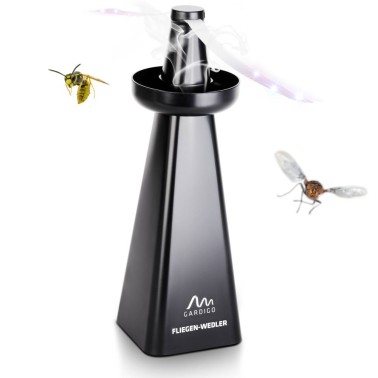
On outdoor tables, during meals outside, on porches or terraces, it is often more practical to deter flies than to capture them. In these cases, Fly Scare & Wasp Scram is a practical option: its rotating blades help keep flies and other insects away from the food area.
Natural Flying Insect Repellent can also be used as support to reduce flying insect presence in specific areas. These solutions are useful for occasional use, but if there are many flies constantly, check for nearby waste, fruit, moisture, organic residues or animals.
Solutions for farms, stables and greenhouses
On farms, in stables, horse boxes, greenhouses and agricultural facilities, fly presence is often more intense and continuous. In these cases, a domestic trap may not be enough.
Fly Tape is a 400 m roll designed for stables, farms, greenhouses and other agricultural facilities. It helps cover large areas and place adhesive strips in strategic fly transit zones.
For better results, combine it with frequent cleaning, manure or organic matter management, moisture control and checks of possible breeding areas.
Fly killers, capture lamps and insect light traps
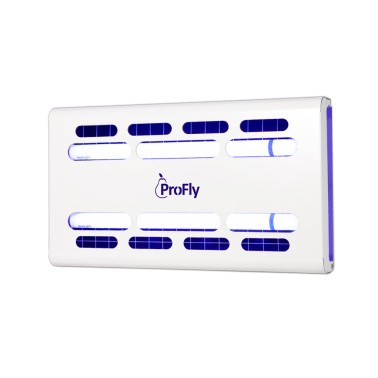
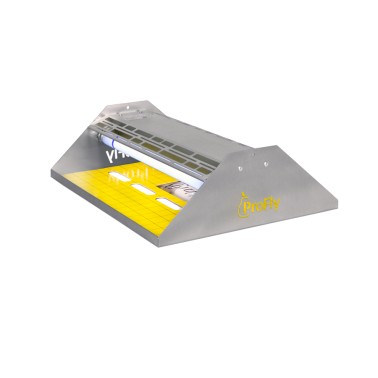
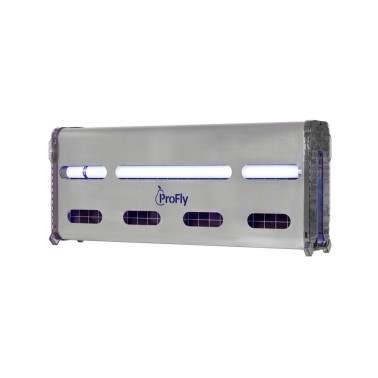
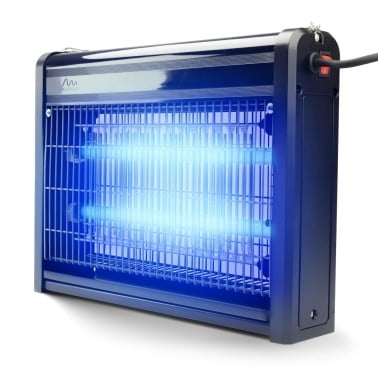
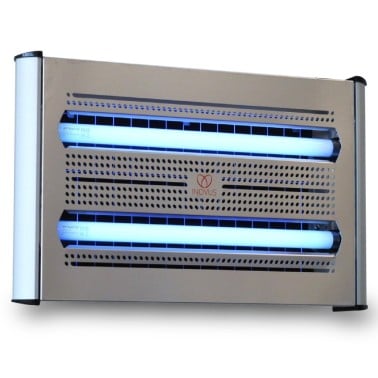
When continuous capture is needed in professional kitchens, restaurants, shops, bakeries, warehouses, industrial buildings or busy indoor areas, capture lamps, electric fly killers or insect light traps may be more suitable.
In our Fly killers category you will find solutions for homes, hospitality, retail and industry. This flies page works as a general guide for choosing the right approach; the fly killers category includes the specific lamps, electric models and insect light traps.
Fruit flies: prevention and breeding sources
Fruit flies reproduce very quickly on ripe fruit, organic residues and sugary or fermented liquids. That is why prevention is the most important part of control.
- Remove or refrigerate ripe fruit: especially in warm periods.
- Clean the organic waste bin: emptying it is not enough; clean it frequently.
- Cover wine, vinegar, juices and soft drinks: fermented or sugary liquids attract them strongly.
- Check drains: they can retain organic residues where small flies breed.
- Do not leave residues in glasses or bottles: especially overnight.
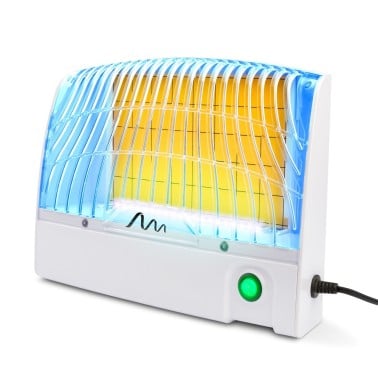
The Fruit Fly Catcher uses UV light to attract them and can help in small spaces. But if the breeding source is not removed, fruit flies will return even after adult flies are captured.
Where to place fly traps
Trap placement has a big impact on results. Place traps where flies pass or rest, while avoiding areas where they could interfere with food or direct food handling.
- Near windows: especially common entry points.
- In kitchens: away from directly exposed food and in transit areas.
- Near rubbish bins: always hygienically and without risk of food contact.
- On terraces or outdoors: in transit areas, not directly over food.
- On farms and in stables: where flies circulate, away from direct contact with people and animals.
- Near fruit areas: close to the source, always together with removal of ripe fruit.
Do not place traps where they could contaminate food, utensils or work surfaces. In food businesses, hospitality or industry, use solutions suited to the type of facility.
What not to do if you have flies
Some mistakes keep the problem going or make it worse. Avoid them from the start:
- Do not rely only on a racket: it eliminates loose flies but does not solve the source.
- Do not leave rubbish open: it is one of the main fly attractants.
- Do not leave ripe fruit out for days: it encourages fruit flies.
- Do not ignore dirty drains: they can be a breeding source for small flies.
- Do not place traps over food: install them in safe, hygienic places.
- Do not wait until the problem grows: in farms, stables or premises, early action makes control easier.
Frequently asked questions about flies
How do I get rid of flies at home?
Combine prevention and capture: take rubbish out in a lidded bin, do not leave food or residues uncovered, install insect screens and use adhesive traps, rackets or capture lamps according to the level of the problem. Removing food and access points helps prevent them from returning.
Why are there suddenly so many flies?
There is usually a nearby source attracting them or allowing them to breed: waste, organic residues, ripe fruit, animal droppings, dirty drains or pet food. Finding and removing that source is more effective than chasing them one by one.
What attracts flies?
They are attracted by organic waste, food residues, ripe fruit, sugary or fermented liquids, droppings, dirty drains, moisture and exposed food. They also enter easily through unprotected open doors or windows.
What is the difference between a common fly and a fruit fly?
The common fly is usually larger and appears in homes, kitchens, premises, stables or areas with waste and food. The fruit fly is small and usually appears near ripe fruit, wine, vinegar, organic waste or fermented liquids.
How do I eliminate fruit flies?
Remove or refrigerate ripe fruit, clean the organic waste bin, cover fermented or sugary liquids and check drains. A specific trap can help capture adults, but if the breeding source remains they will come back.
Do adhesive fly traps work?
Yes. They are useful for capturing flies and detecting transit areas. They work best near windows, entry points or places where flies rest, always away from directly exposed food.
Where should fly traps be placed?
Place them near windows, rubbish bins, transit areas, kitchens or points with visible activity, while avoiding contact with food, utensils or work surfaces.
What solution should I use in a farm or stable?
In areas with many flies, a high-capacity solution such as fly tape is usually more suitable, combined with cleaning, organic matter management and moisture control.
What is better: trap, racket, fan or lamp?
It depends on the use. A trap captures passively, a racket eliminates individual flies, a fan helps deter them from an outdoor table, and lamps or insect light traps are better for continuous capture and wider indoor coverage.
Can flies be deterred without killing them?
Yes. Deterrent fans and natural repellents can help keep them away without killing them, especially on tables, terraces and outdoor meals. Hygiene and insect screens also reduce their presence.
Fly solutions at BirdGard Iberia
At BirdGard Iberia you will find adhesive traps, fly tape, electric rackets, fans, natural repellents and a complete range of fly killers, capture lamps and insect light traps to control flies at home, on terraces, in premises, farms and agricultural facilities. If you are unsure about your case, contact us and we will advise you free of charge.

 1 review