
Mouse Traps
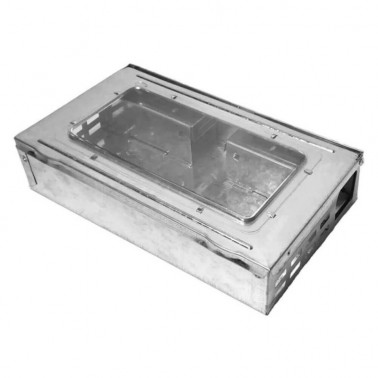
Mutli Catch Mice Trap Cage
Price
€9.38
 4 reviews
Humanized Mouse Trap. Will not kill mice, but will only lock them
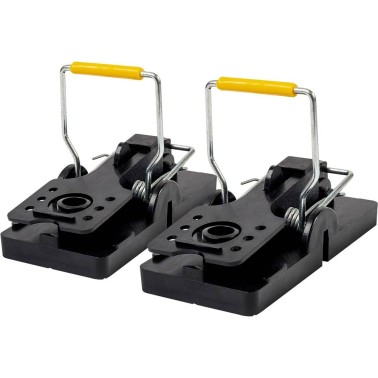
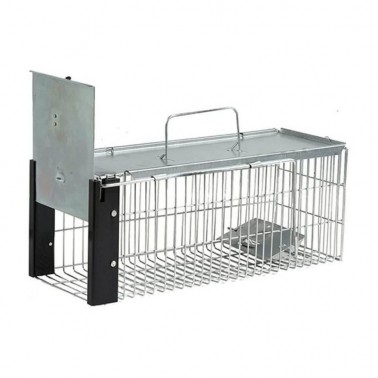

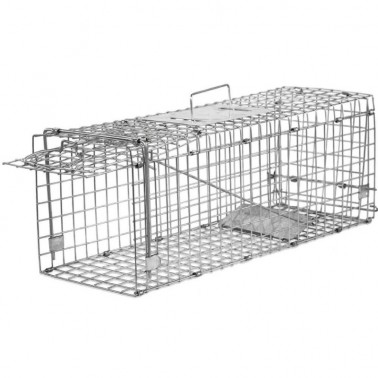
Mouse traps allow you to control the presence of these small rodents without relying on poisons or rodenticides. Depending on the location, the number of mice and whether you prefer to capture them alive or eliminate them, you can choose between mechanical traps, live-capture cages, multi-catch traps and electric traps. Choosing the right model, placing it correctly and removing food sources and entry points can significantly improve results.
What Types of Mouse Traps Are Available?
Not all mouse traps work in the same way. These are the main options you can use depending on the problem:
| Type of trap | How it works | When to choose it |
|---|---|---|
| Mechanical trap | Uses a mechanism that is triggered when the mouse reaches the bait area. | When you want a simple, reusable solution for controlling individual mice. |
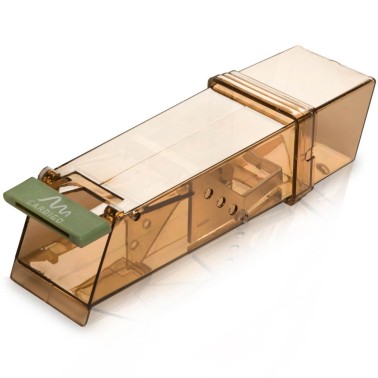
| Single live-capture trap | The mouse enters attracted by bait and is retained inside without the need to use poison. | When you want to capture an individual mouse alive. |
| Multi-catch trap | Allows several mice to be captured and is particularly useful where activity is more frequent. | When several mice are present or rodent activity is recurring. |
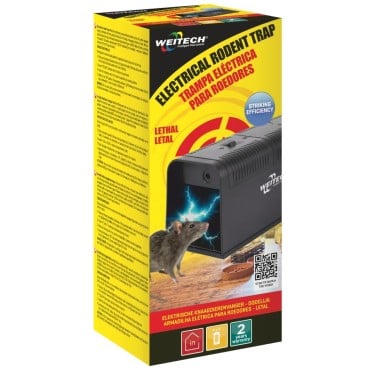
| Electric trap | Attracts the mouse with bait and eliminates it with an electric shock when it comes into contact with the metal plates inside. | For controlling mice indoors without using poisons or rodenticides. |
Mechanical Mouse Traps
Mechanical traps are one of the best-known systems for controlling mice. They use a mechanism that is triggered when the rodent interacts with the bait or enters the activation area.
The Mouse Trap - Set of 2 is a reusable option for areas where mouse activity has been detected. As with any mechanical system of this type, the traps should be installed according to the instructions and kept out of reach of children and pets.
Live-Capture Mouse Traps
If you prefer to capture the mouse alive, there are several alternatives that allow the animal to be retained inside the trap without using poison.
The Live Mouse Trap is designed for individual capture and can be practical when the occasional presence of one or a small number of mice has been detected.
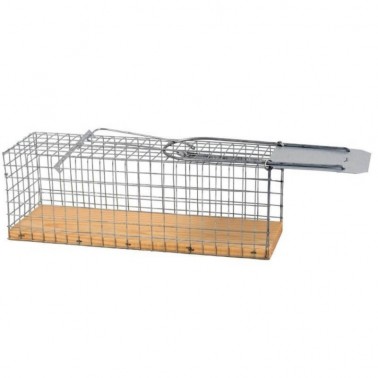
You can also use the Capture Cage for Mice, a live-capture solution in which the animal enters attracted by bait and is retained once the mechanism is triggered.
Live-capture traps should be checked frequently. Once an animal has been caught, it should be managed in accordance with applicable regulations and should not be left inside the trap for prolonged periods.
Multi-Catch Mouse Traps
Where there is a higher level of mouse activity, a multi-catch trap may be more suitable than a system designed for a single animal.
The Multi Catch Mice Trap Cage allows several mice to be captured and is designed for locations where more than one individual needs to be controlled.
For more intensive situations, you can also consider the Mimetic-Mhouse, a multi-catch trap for mice and rats available in different sizes and manufactured from galvanised metal. It is particularly suitable for warehouses, communal buildings, offices, storage rooms, agricultural facilities and other locations where rodent activity is recurring.
Electric Mouse Trap
Electric traps allow you to eliminate mice without using poisons or rodenticides. The mouse enters the device attracted by bait and receives an electric shock when it comes into contact with the metal plates inside.
The Electric Rat & Mouse Trap – Weitech WK0650 generates a 5000 V electric shock, runs on 4 C/LR14 batteries and has a capture indicator light. The rodent remains inside the device, making removal easier.
The WK0650 is designed exclusively for indoor use. It must be installed and handled according to the manufacturer's instructions, switched off before adding bait, removing the rodent or cleaning the device, and always kept out of reach of children and pets.
What About Glue Traps and Poison Baits?
Glue traps are also available on the market. They use an adhesive surface to immobilise the mouse. This can leave the animal trapped for a prolonged period, which is why glue traps are not among the solutions we prioritise at BirdGard Iberia.
Rodenticides and poison baits are not traps as such. Although authorised products exist for certain uses, they may present poisoning risks to children, pets and non-target wildlife and can cause secondary poisoning in other animals. In addition, a poisoned mouse may die in an inaccessible location and cause odour problems.
For this reason, our mouse trap range focuses on poison-free solutions: live capture, mechanical systems, multi-catch traps and electric traps.
How to Choose a Mouse Trap
Before choosing a model, several factors should be considered:
- Number of mice: for occasional activity, a single trap may be sufficient; if activity is frequent, a multi-catch trap or several traps may be more suitable.
- Live capture or elimination: cages and certain traps capture the mouse alive, while other mechanical or electric systems are designed for direct rodent control.
- Indoor or outdoor use: always check the conditions of use for each model. The WK0650, for example, is designed exclusively for indoor use.
- Safety: any trap should be installed out of reach of children, pets and non-target animals.
- Activity area: place the trap where there are genuine signs of mouse activity.
- Maintenance: choose models that you can check, empty and clean regularly.
If there is a serious infestation or mouse activity continues despite using several traps and sealing entry points, it may be advisable to contact a professional pest control company.
Where Should Mouse Traps Be Placed?
Trap placement is essential. Mice usually move along walls, skirting boards and objects that provide cover rather than crossing open spaces without protection.
- Along walls and skirting boards: position traps on the mice's usual routes.
- In areas with signs of activity: look for droppings, gnaw marks, tracks, damaged materials or places where you have seen mice.
- Behind furniture and appliances: these are quiet, sheltered areas frequently used by mice.
- In dark corners: storage rooms, garages, false ceilings, warehouses and low-traffic spaces may concentrate mouse activity.
- Near entry points: place traps close to cracks, ducts, holes or pipe passages used by mice.
- Near food sources: pantries, animal feed, seeds, rubbish or stored foods are particularly relevant areas.
Avoid placing mechanical or electric traps where children or pets can reach them.
What Bait Should You Use in a Mouse Trap?
Mice can be attracted to strong-smelling, high-energy foods. You can use small amounts of peanut butter, chocolate, nuts or fatty foods.
You do not need to use a large amount of bait. The important thing is to place it correctly in the position specified by the manufacturer so that the mouse has to enter far enough into the trap or interact with the mechanism to reach it.
Tips to Improve the Effectiveness of Mouse Traps
- Use several traps: if there are several signs of activity, distributing more than one trap along the main routes can increase the chances of capture.
- Check traps daily: particularly when using live-capture systems.
- Follow the instructions for each model: mechanical traps, cages, multi-catch traps and electric traps work differently.
- Remove alternative food sources: keep food, animal feed and seeds in closed containers and remove accessible crumbs and food scraps.
- Try another location if necessary: if a trap shows no activity after several days, move it to another route with more recent signs.
- Seal entry points: capturing the mice already present will not prevent others from entering if access points remain open.
How Can You Prevent Mice from Coming Back?
Traps help control mice that are already present, but prevention is essential to stop the problem from returning.
- Seal entry points: inspect cracks, holes, doors, windows, cable and pipe passages and other small openings they may use.
- Store food correctly: use closed containers, paying particular attention to dog food, cat food and other animal feed.
- Manage waste properly: keep bins closed and regularly remove food waste.
- Reduce hiding places: avoid storing boxes and materials directly against walls or in areas that are rarely inspected.
- Manage outdoor vegetation: keeping bushes and vegetation away from building walls can help reduce shelter and access routes.
- Fix leaks and moisture: remove available water sources for rodents.
- Carry out regular inspections: look for fresh droppings, gnaw marks and other signs of activity.
- Use deterrents as a complement: once the rodents already present have been controlled, rodent repellers can be used as additional support to make certain areas less attractive.
Frequently Asked Questions About Mouse Traps
What is the best mouse trap?
It depends on the situation. For individual live capture, you can use a Live Mouse Trap or a Capture Cage for Mice. If several mice are active, you can use a Multi Catch Mice Trap Cage or the Mimetic-Mhouse. If you need to eliminate mice indoors without using poison, you can use the Weitech WK0650 Electric Rat & Mouse Trap.
What is the difference between an electric mouse trap and a live-capture trap?
A live-capture trap keeps the mouse contained without eliminating it, while an electric trap is designed to eliminate the rodent with an electric shock. The choice depends on the type of control you want and the conditions of the location.
Does the WK0650 electric trap work for mice?
Yes. The Weitech WK0650 is designed for both rats and mice. It generates a 5000 V electric shock and is intended exclusively for indoor use.
Can I use the WK0650 outdoors?
No. The Weitech WK0650 is designed exclusively for indoor use. It must not be installed where it could be exposed to rain or moisture.
Where is the best place to put a mouse trap?
Place it in areas where there are signs of activity, especially along walls and skirting boards, in corners, behind furniture or appliances, near droppings or gnaw marks and along routes regularly used by mice.
What bait works best for mice?
You can use small amounts of strong-smelling, high-energy foods such as peanut butter, chocolate, nuts or fatty foods. Always follow the manufacturer's instructions on where to place the bait.
How often should mouse traps be checked?
They should be checked at least once a day. This is especially important with live-capture traps to minimise the time the mouse remains inside. With electric traps, regular checks allow you to detect the capture indicator and remove the rodent.
Are mouse traps safe if there are children or pets?
Any trap should be installed so that children and pets cannot access it. This precaution is particularly important with mechanical and electric traps. The Weitech WK0650 must always be kept out of their reach and switched off before handling.
Mouse Traps at BirdGard Iberia
At BirdGard Iberia, you will find different poison-free solutions for controlling mice: reusable mechanical traps, live-capture traps, cages, multi-catch systems and electric traps for indoor use. Choose the system according to the number of mice, where they are present and whether you need live capture or direct elimination.