
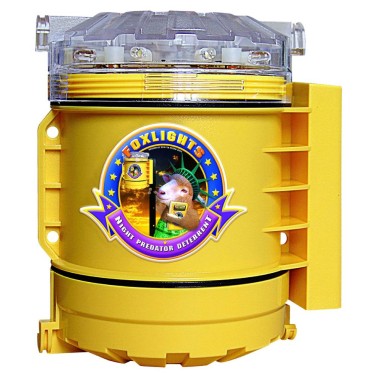
Deterrent Lights
 1 review
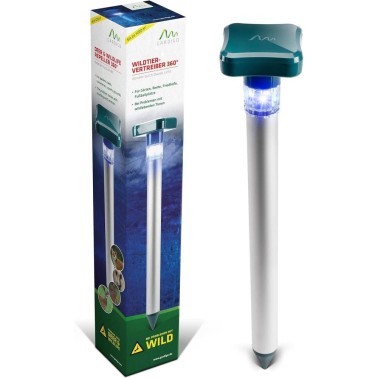
Blue Light Wildlife Repellent
Price
€24.08
For rabbits, foxes, deer, raccoons, and boars. Covers up to 1,200 m²
- Promotion
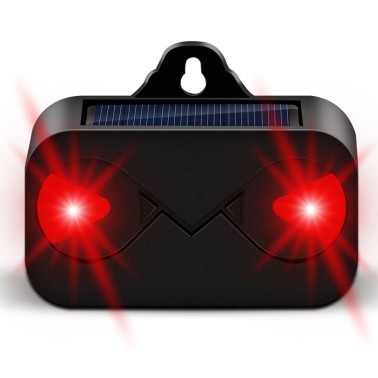
Wild Animal Repeller with Flashing Red Light
Regular price
€23.96
-4.01%
Price
€23.00

Protect your garden, vegetable patch, or chicken coop from deer, wild boars, and rabbits
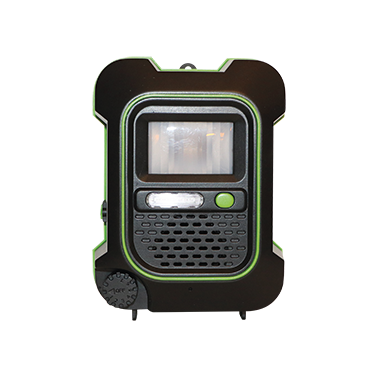
Garden Protector 4 with Flash
Price
€77.86

New, more robust design. Cat and rabbit repeller… Highly effective!
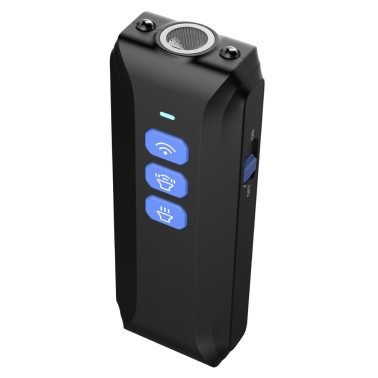
Light-based animal repellers are a very useful option for nocturnal animals, especially when they are used preventively and installed correctly. Their goal is not to dazzle or harm the animal, but to create a visual signal that makes the area seem less safe.
Among the types of animal repeller, deterrent light stands out around chicken coops, pens, livestock areas, vegetable gardens, gardens, farms and outdoor spaces where animals mainly approach at night. It can be used on its own in some cases, but often works better as reinforcement alongside sound, physical barriers or ultrasound.
Which light-based repeller to choose depending on the animal or situation
| Situation | Recommended product | Comment |
|---|---|---|
| Foxes or wolves near chicken coops, pens or livestock | Foxlights | Simulates night-time vigilance with intermittent flashes. Useful as a preventive support around farm animals. |
| Wild boar, deer or rabbits in vegetable gardens, orchards or crops | Blue Light Wildlife Repellent or Wild Animal Repeller with Flashing Red Light | Creates a visible deterrent signal outdoors, especially as night-time reinforcement. |
| Nocturnal animals on farms, gardens or rural plots | Foxlights or wildlife deterrent lights | They work best when the flash is visible from the entry route and the location is changed to reduce habituation. |
| Cats in a garden, terrace, lawn or defined outdoor area | Garden Protector 4 with Flash | The light reinforces ultrasound in a combined device for cats and other garden animals. |
| Daytime problems or areas with strong ambient light | Consider another technology | Deterrent light makes more sense at night or in low light. Ultrasound, water, sound, repellents or barriers may fit better by day. |
How deterrent light works
Deterrent light creates a visual signal that the animal may associate with presence or activity in the area. For nocturnal animals, an intermittent and less predictable flash can make the environment feel less calm or less safe.
The key is not simply illuminating the area, but creating a visible pattern that breaks the animal's sense of security as it approaches. In many cases, intermittent flashing matters more than keeping a fixed light on.
Pure light or light combined with ultrasound
| Device type | How it acts | Best fit |
|---|---|---|
| Pure deterrent light | Emits visible flashes to simulate presence or night activity. | Foxes, wolves, wild boar, deer, rabbits and nocturnal wildlife outdoors. |
| Light + ultrasound | Combines a high-frequency acoustic stimulus with a visual flash. | Cats and other animals in gardens, terraces or defined outdoor areas. |
| Light + sound | The light reinforces an acoustic or bioacoustic repeller. | Field animals, nocturnal animals and situations where habituation must be reduced. |
Foxlights, the Blue Light Wildlife Repellent and the Wild Animal Repeller with Flashing Red Light are visual deterrent solutions. The Garden Protector 4 with Flash is a combined device where ultrasound is the main stimulus and the flash reinforces the effect.
Animals where light-based repellers stand out
Foxes and wolves
Deterrent light makes a lot of sense for foxes and wolves, especially around chicken coops, pens, livestock areas or farms where animals approach at night. Foxlights are designed to simulate night presence through intermittent flashes.
Wild boar, deer and rabbits
Light-based repellers can also help with wild boar, deer and rabbits, especially when they enter vegetable gardens, orchards, crops or plots at night. They usually work better as reinforcement with sound repellers, repellents or physical barriers.
Cats and garden animals
For cats in gardens, terraces, lawns or entrances, light alone is often limited. Combined equipment such as the Garden Protector 4 with Flash is usually more suitable because it combines motion sensor, ultrasound and flash.
Our light-based animal repellers
Foxlights
Foxlights is a light-based repeller for protecting chicken coops, pens, livestock and rural areas against foxes, wolves and other nocturnal animals.
Blue Light Wildlife Repellent
The Blue Light Wildlife Repellent creates a visual deterrent signal outdoors and can support protection in gardens, orchards, crops and rural land.
Wild Animal Repeller with Flashing Red Light
The Wild Animal Repeller with Flashing Red Light works in a similar way, using visible deterrent light to help protect outdoor areas at night.
Garden Protector 4 with Flash
The Garden Protector 4 with Flash combines motion detection, ultrasound and flash for gardens and terraces.
Red light or blue light: what really matters
Colour can influence visibility, but the most important factors are usually placement, flash visibility, intermittence, animal pressure, habituation and whether the device is combined with other methods when needed.
Real limitations of light-based repellers
- They work best at night: with strong ambient light, the flash is less noticeable.
- They do not physically block access: coops, pens and livestock areas still need secure closures.
- Animals can habituate: moving the device or changing orientation helps.
- Visibility is essential: vegetation, walls or corners can hide the flash.
- Persistent problems may need combination: sound, barriers, repellents or ultrasound can reinforce the effect.
How to install deterrent lights correctly
- Place the light where it is visible from the animal's entry route.
- Avoid walls, trees, hedges or dense vegetation that hide the flash.
- Raise the device when needed to improve visibility.
- Use several units if there are several access points.
- Change the location from time to time to reduce habituation.
- Check battery, charge or operation periodically.
Comparison with other animal deterrent types
| Deterrent type | Best fit |
|---|---|
| Deterrent light | Nocturnal animals, coops, pens, livestock, gardens, farms and outdoor night activity. |
| Audible sound | Farms, crops, vineyards, pens and open areas needing broader coverage. |
| Ultrasound | Interiors, vehicles, defined gardens or more localised deterrence. |
| Water | Gardens, vegetable plots, lawns and terraces with water supply. |
| Repellents | Plants, crops, entrances, perimeters or smell/taste deterrence. |
| Physical barriers | When access must be physically blocked or limited. |
| Traps | When presence is already established and must be controlled at a specific point. |
Frequently asked questions about light-based repellers
How do animal deterrent lights work?
They emit intermittent flashes or light signals that can make the animal perceive the area as less safe. With nocturnal animals, light can simulate presence or activity.
Do light repellers work during the day?
Their effect is usually much more limited during the day because the flash stands out less. They make more sense at night or in low light.
Can they protect chicken coops and pens?
Yes, they can help preventively against foxes, wolves or other nocturnal animals, but they do not replace a secure physical closure.
Are they useful for wild boar or deer?
They can help as night-time reinforcement in crops, orchards or farms, especially when combined with sound, repellents or barriers.
Is red light better than blue light?
Colour is not a magic solution. Visibility, intermittence, unpredictability and correct placement usually matter more.
Do animals get used to lights?
They can if the device always stays in the same place. Moving it and combining methods helps reduce habituation.
Light-based repellers at BirdGard Iberia
At BirdGard Iberia you will find light-based repellers for chicken coops, pens, livestock, vegetable gardens, gardens, farms and outdoor areas. If you are not sure which device fits your case, contact us and we will advise you free of charge.