Wild boars are increasingly common across the Iberian Peninsula and can cause significant damage to crops, vineyards, vegetable gardens, rural properties and lawns, digging up grass and turning over soil in search of roots and food. They are nocturnal, highly intelligent animals with an excellent sense of smell and hearing, which directly affects which deterrent methods work best. The good news is that they can be kept away using non-harmful deterrent methods. Here we explain the different options, what is true about home remedies, and what you should bear in mind from a legal point of view.
Which solution should you choose depending on the problem?
Before choosing a product, it is important to know which area you want to protect, how large it is and where the wild boars usually enter. This table will help you get oriented quickly:
| Problem |
Most suitable solution |
When it fits best |
| Large rural property, crop or vineyard |
Audible sound repeller |
When you need to cover a large area and create a variable warning signal for the animal. |
| High night-time pressure |
Audible sound combined with deterrent light |
When wild boars enter mainly at night and it is useful to reinforce the feeling of presence or threat. |
| Specific entry point |
Smell-based repellent or deterrent light |
When the animal always enters through the same path, fence line or edge of the property. |
| Vegetable garden, small garden or limited area |
Smell-based repellent, light or a combination of both |
When you do not need to cover several hectares and want to protect a specific area. |
| Risk of collision on the road |
Animal repeller for cars |
When you want to reduce the risk of encounters with wild boars, deer or other animals while driving. |
How to repel wild boars: methods that work
There is no single infallible method. Because wild boars are intelligent, they can get used to a fixed stimulus, so the most effective approach is usually to choose the right method for the surface area, combine two methods when pressure is high, and move them from time to time.
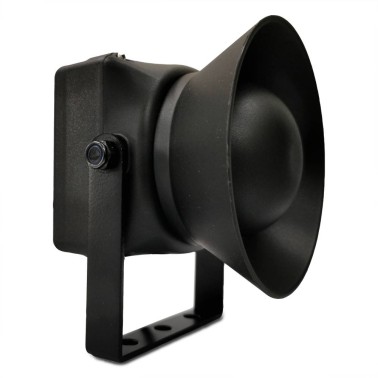
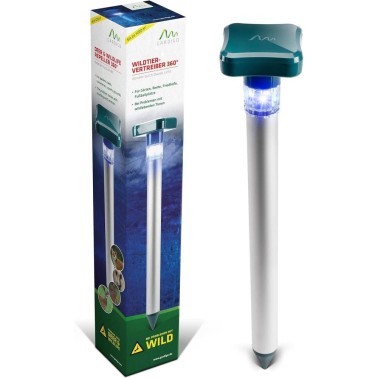
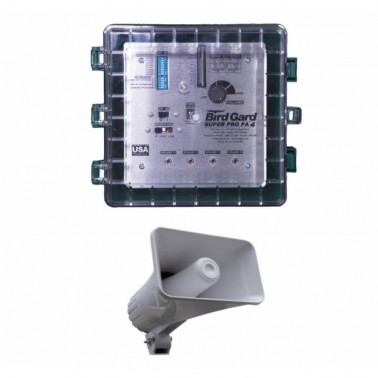
- Audible sound: this is the method with the largest coverage and the most recommended option for rural properties, crops and large areas. It reproduces sounds that wild boars may associate with danger, helping them avoid the protected area. The most complete devices emit sounds in a variable or random way to reduce the risk of habituation. The Super Pro PA4 - Boar, Deer, Rabbit Repellent, with coverage of up to 2.4 hectares, and the Wild Animal Repeller – BS-20L WILD 1 are the main reference options. You can see more solutions in sonic pest repellers.
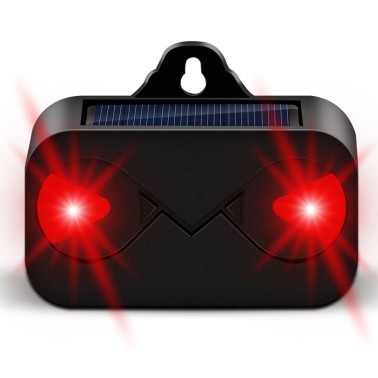
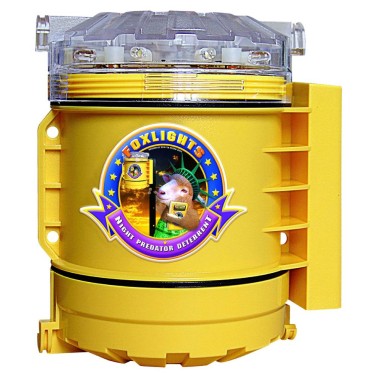
- Deterrent light: since wild boars are mainly nocturnal, flashes of light are a very useful complement. They make the area less attractive at night and help simulate presence or movement. You can use the Blue Light Wildlife Repellent, the Wild Animal Repeller with Flashing Red Light or Foxlights, which imitate someone patrolling with a torch. More information in deterrent lights.
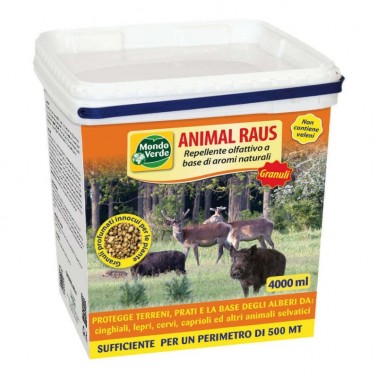
- Smell-based repellents: these create an odour that wild boars find unpleasant and help keep them away from the area. The Wild Boar Deer Repellent, made from 100% natural ingredients, is useful for small areas, entry points or specific zones. Bear in mind that its effect is temporary: it requires periodic reapplication, especially after rain or irrigation, and should be placed in the areas where the animal enters. You can see more options in repellents.
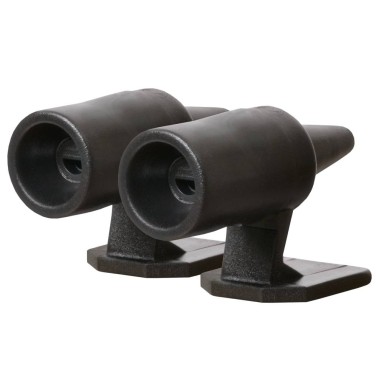
- Ultrasound: ultrasound has a more limited role outdoors when the aim is to protect a rural property or crop, but it can be useful in specific situations. For example, the Deer Whistle for Car helps reduce the risk of collisions with wild boars, deer, rabbits and other animals on the road. More information in ultrasonic animal repellers.
Home remedies to repel wild boars: do they work?
It is common to look for home remedies before investing in a deterrent system. Some may provide temporary relief, especially if applied at a specific entry point. Wild boars tend to avoid certain strong smells, so people often try garlic, chilli or cayenne pepper, vinegar, strongly scented soaps, noise or improvised fencing.
However, it is important to be realistic about their limits: these are short-lasting solutions, rain and irrigation wash them away, they cover very little surface area, and because wild boars are highly intelligent, they may get used to them once they realise that the smell or noise does not represent real danger. For a rural property, vegetable garden or crop that needs more reliable protection, home remedies can be used as support, but they are rarely enough on their own. A formulated repellent or, above all, a sound or light deterrent offers more consistent and controlled protection.
Wild boars and legality: why poison is not the solution
When damage occurs, some people look for drastic solutions such as poison. It is important to know that poisoning wild boars is illegal, dangerous and indiscriminate. Poison can affect pets, livestock, other wildlife —including protected species— and may even pose a risk to people, as well as being a punishable practice.
The wild boar is a game species and its population control, through hunting or authorised capture, is regulated by the applicable rules and must be handled through the appropriate hunting channels and competent authorities. What we offer at BirdGard Iberia are non-harmful deterrent methods, designed to keep wild boars away from your crop, property or garden without harming them and without directly intervening in the population. This information is for guidance only and does not constitute legal advice; if in doubt, consult the competent authority.
Frequently asked questions about how to repel wild boars
How do you repel wild boars effectively?
For large areas, the most effective option is usually an audible sound repeller, because it provides wide coverage and creates a warning signal for the animal. If pressure is high and wild boars enter at night, it is advisable to reinforce it with deterrent light. In small areas or specific entry points, smell-based repellents can also be useful.
What smell do wild boars hate?
Wild boars tend to avoid strong, penetrating smells. Smell-based repellents are based on this principle: they are formulated to be unpleasant for the animal and help keep it away. Unlike a home remedy, a prepared repellent is applied in a more controlled way and is designed to last longer, although it also requires periodic reapplication.
Do home remedies work against wild boars?
They can help temporarily, but they have limited reach and duration. Rain and irrigation wash them away, and wild boars can quickly get used to them if they realise there is no real danger. They may be useful as support, but not as the only solution. To protect a rural property, vegetable garden or crop more reliably, sound or light deterrents are usually more suitable.
Is it legal to use poison against wild boars?
No. Poisoning wild boars is illegal, dangerous and indiscriminate. It can affect pets, livestock, protected wildlife and people. Wild boar population control must be carried out through authorised channels and in accordance with the applicable regulations. To protect a specific area, the recommended approach is to use non-harmful deterrent methods.
Which method is best for a large rural property or vegetable garden?
For a large rural property, crop or vegetable garden, the most recommended method is usually audible sound, because it can cover a wide area and does not depend on frequent reapplication as repellents do. If wild boars enter at night or pressure is high, combining sound with deterrent light usually improves the result.
What should I do if wild boars always enter through the same point?
If wild boars always access the area through the same point, it is best to act directly on that zone: reinforce the passage with smell-based repellent, place deterrent light and, if the surface area is large, use a sound repeller that covers the whole property. It is also useful to check whether food, crop remains, water or shelter are attracting the animal.
Wild boar repellent solutions at BirdGard Iberia
At BirdGard Iberia, you will find a complete range of animal-friendly solutions to repel wild boars: sound, light, smell-based repellents and ultrasound for specific cases such as cars or roads. If you are not sure which solution best fits your rural property, vegetable garden, crop or garden, contact us and we will advise you free of charge.

 5 reviews