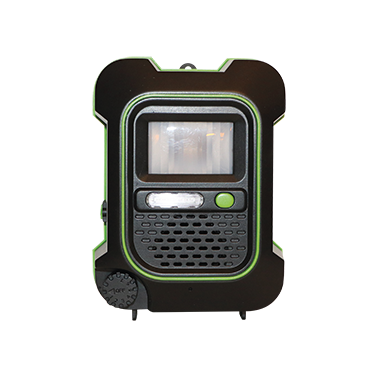
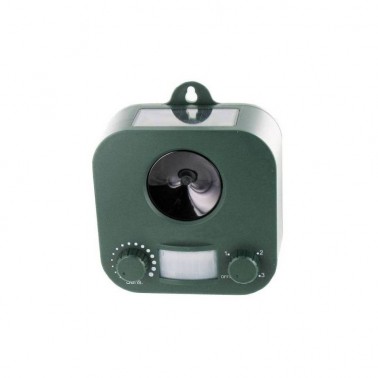
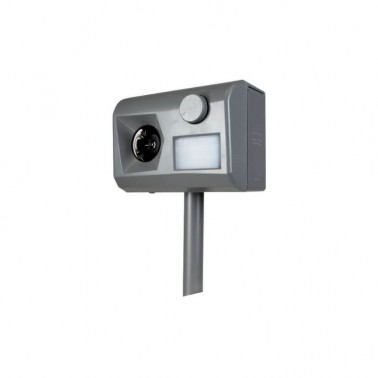
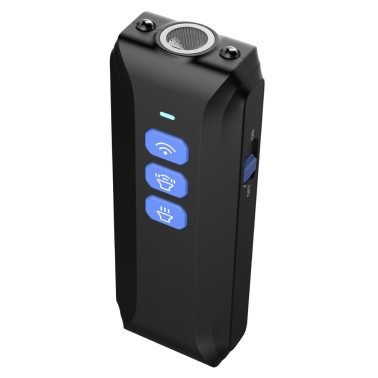
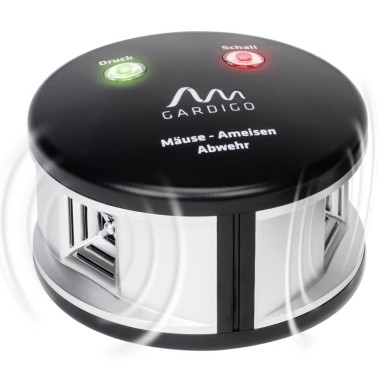
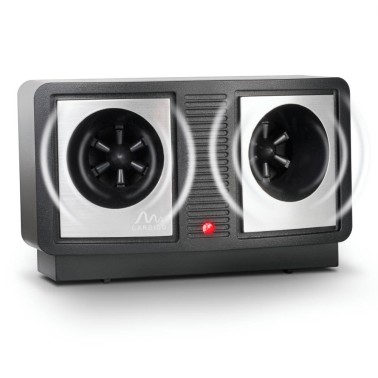
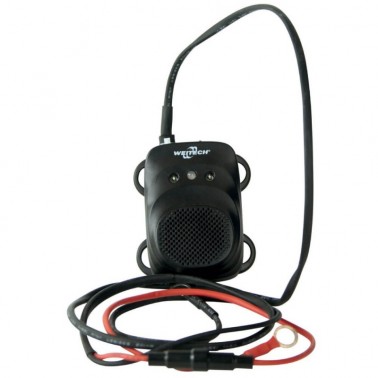
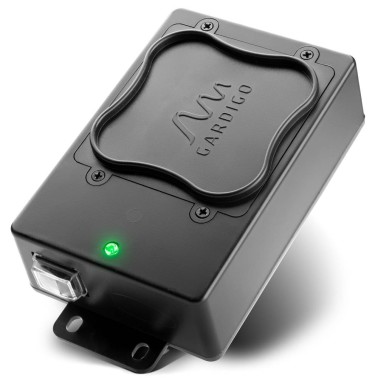
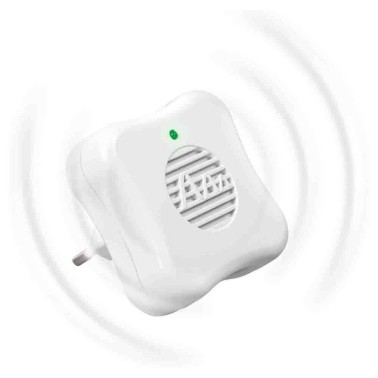
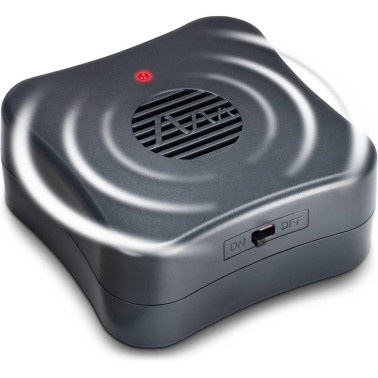
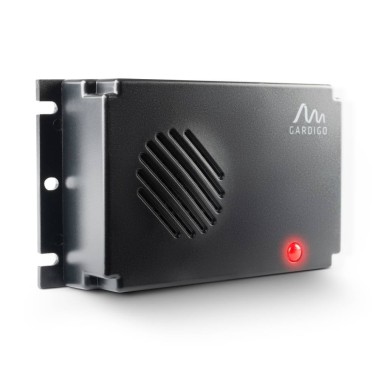
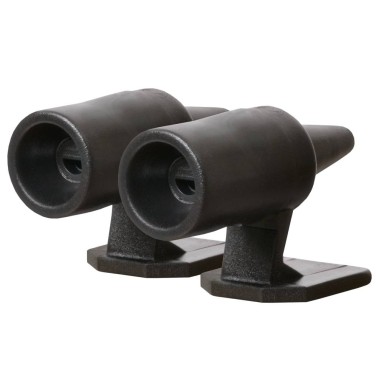
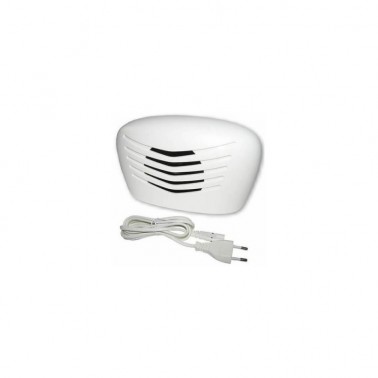
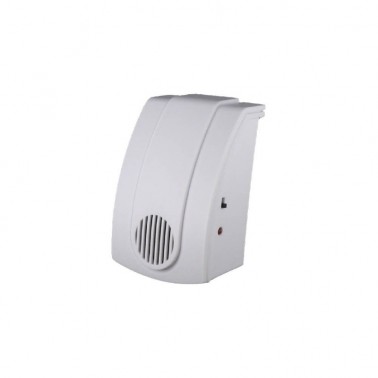
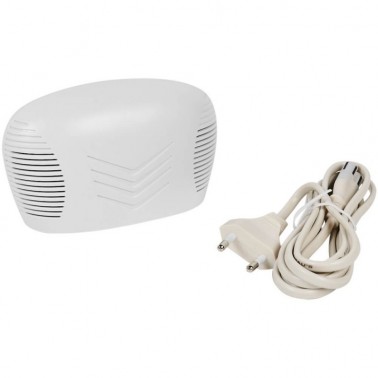
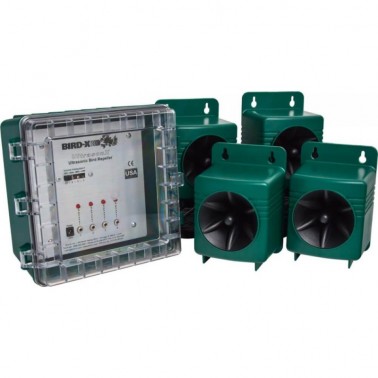
Ultrasonic animal repellers emit high-frequency sounds, usually barely noticeable to people, that can be unpleasant for certain animals and help them avoid a specific area. They are discreet, poison-free and chemical-free solutions, especially useful indoors, in gardens, garages, vehicles and defined spaces.
Within the types of animal repeller, ultrasound is an interesting technology, but it should be used with realistic expectations: it does not work equally with every animal or every space. Effectiveness depends on the species, device placement, obstacles, real coverage and how used the animal is to the area.
Which ultrasonic repeller to choose depending on the animal or situation
| Situation |
Recommended product |
Why it fits |
| Cats in a garden, terrace, vegetable plot or specific area |
Garden Protector 4 with Flash, Garden Protector Solar or Garden Protector 3 |
Outdoor devices for defined areas. The PIR sensor detects the animal and activates ultrasound when it enters the protected zone. Some models add a flash. |
| Bats in attics, garages, lofts or enclosed spaces |
Rodent & Insect Repeller - WK0600 or Ultrason X |
They can be used as preventive deterrent tools in the same space to be protected, remembering that ultrasound does not pass through walls or ceilings. |
| Rats, mice or squirrels indoors, in garages or enclosed spaces |
Rodent & Insect Repeller - WK0600 |
Combines sound and ultrasound, with coverage up to 325 m² in favourable conditions. A versatile option for rodents and small animals in closed or semi-closed areas. |
| Mice in a home, premises, warehouse or specific room |
Mouse Repellent Duo or Rat Deterrent |
Plug-in indoor solutions. They work best room by room, with no obstacles in front of the emitter and alongside cleaning, food removal and sealing access points. |
| Aggressive or stray dogs, or occasional personal defence |
Ultrasonic Dog Repeller |
Portable device for occasional use with dogs. It is not intended to protect large areas, but to carry and use when necessary. |
| Rats or martens in a car engine compartment |
Rodent Car Repeller or Car Animal Repeller |
Vehicle-specific solutions designed to reduce the risk of rodents or martens entering the engine area. |
| Risk of collision with animals on the road |
Deer Whistle for Car |
Designed for vehicle use and intended to help reduce the risk of collision with animals while driving. |
| Outdoor, warehouse or semi-covered space requiring greater coverage |
Ultrason X |
Higher-coverage device for large, outdoor or semi-covered spaces. Installation must account for walls, furniture and solid obstacles blocking ultrasound. |
How ultrasonic repellers work
Ultrasound consists of high-frequency sounds that some animals perceive much more sensitively than people. When the device is well positioned, those sounds create discomfort that can encourage the animal to avoid the protected area.
It is not a physical barrier or an instant solution. The goal is to make the space less comfortable, especially before the animal has established it as a shelter, feeding area or regular route.
Animals for which ultrasound makes most sense
Ultrasonic repellers are most relevant for certain mammals and small animals that can perceive high frequencies well. Even so, response varies according to species, environment and behaviour.
| Animal or case |
Recommended use |
Notes |
| Cats |
Gardens, terraces, vegetable plots, entrances or specific areas |
Motion-sensor models are more suitable because they activate when the animal enters the protected area. |
| Bats |
Preventive use in attics, garages, sheds, warehouses or lofts |
Bats are protected species and any action may require prior authorisation. The device must be placed in the same space and must never be used to block exits or harm animals. |
| Rats and mice |
Indoors, garages, warehouses, false ceilings or passage areas |
Combine with cleaning, food removal, access sealing and, if the presence is already established, capture. |
| Vehicles |
Engine area, parked vehicle or road driving |
There are specific devices for preventing rodents or martens from entering the engine area, and others for helping reduce collision risk on the road. |
| Squirrels and small animals |
Closed or semi-closed areas where activity is detected |
The device must be in the same space, with no obstacles in front of the emitter. |
| Dogs |
Portable and occasional use against aggressive or stray dogs |
It is not a large-area solution and is not infallible. It is a personal-use device for specific situations. |
| Martens or rodents in cars |
Engine area or parked vehicle |
Install according to the product instructions and check that the device works correctly. |
Real limitations of ultrasound
To use an ultrasonic repeller correctly, it is important to understand its limits. Many poor experiences come from bad placement, overestimated coverage or unrealistic expectations.
- They do not pass through walls: ultrasound is blocked by walls, doors, furniture and solid obstacles, so work is usually done room by room or area by area.
- They need a clear emission line: the emitter should face the animal's route or presence area, with no objects in front.
- They work best in defined spaces: interiors, garages, attics, terraces, small gardens or semi-covered areas are more suitable than completely open spaces.
- Coverage depends on the setting: theoretical coverage can fall with obstacles, furniture, vegetation, corners or slopes.
- Animals may get used to them: if the stimulus is always the same or food and shelter remain available, habituation can occur.
- They do not replace prevention: if there is accessible food, open gaps or shelter, ultrasound alone may fall short.
Do ultrasonic devices affect dogs and cats?
This is a common question when installing a rat or mouse device in a home with pets. The honest answer is that dogs and cats can perceive part of the ultrasonic range, so a rodent device may be noticeable or unpleasant to sensitive pets.
These devices are not designed to harm them, but simple precautions help: do not point the device at resting areas, place it in the room where the problem exists and watch behaviour during the first days.
If you notice discomfort, reposition the device, change its direction or limit it to an area where the pet spends little time.
Ultrasound for rodents: rats, mice and squirrels
Rodents are one of the common uses for ultrasonic repellers. Indoors, in garages, warehouses or specific rooms, they can help create an uncomfortable environment for rats and mice, especially before an infestation is established.
The Rodent & Insect Repeller - WK0600 combines sound and ultrasound and can cover up to 325 m² in favourable conditions. You can also consider the Mouse Repellent Duo or Rat Deterrent for indoor rooms.
For better results against rodents, remove food scraps, close feed or rubbish bags, clean traces, seal entry gaps and place the device where activity is detected. If presence is already significant, traps may be needed.
You can see more equipment and solutions on the Rat Repellers page.
Ultrasound for bats in enclosed spaces
For bats, ultrasound can be used as a preventive deterrent tool in indoor or enclosed areas such as attics, garages, lofts, sheds or warehouses.
Bats are protected species and any action may require prior authorisation from the competent authority. Exits must not be blocked, colonies must not be handled and animals must not be harmed.
The device must be placed in the same space to be protected because ultrasound does not pass through walls, ceilings or solid obstacles. For this use, the Rodent & Insect Repeller - WK0600 or Ultrason X may be considered depending on the space, coverage and installation conditions.
Ultrasound for cats in gardens and terraces
For cats in a garden, terrace, vegetable plot or entrance, ultrasonic repellers with motion sensors usually work best. The device activates when the animal enters the protected area, creating localised discomfort.
The Garden Protector 4 with Flash combines ultrasound and flash, which can reinforce deterrence. You can also consider Garden Protector Solar or Garden Protector 3 for outdoor points where an autonomous solution is useful.
Direction is essential: the device should face the entry point or the area where the cat usually passes, digs, marks or rests.
Ultrasound for dogs: portable and occasional use
For dogs, ultrasound is mainly used in portable devices for specific situations with aggressive, loose or stray dogs. It is not the best solution for protecting large areas or replacing a physical barrier.
The Ultrasonic Dog Repeller is designed to carry and use when necessary, always with caution and avoiding unnecessary use on calm or controlled animals. It is not infallible: reaction varies by dog, distance, environment and stress or aggression level.
Ultrasound for cars: rats, martens and animals on the road
Vehicles can suffer damage from rats, martens or other small animals entering the engine area in search of shelter or warmth. For this case, the Rodent Car Repeller is designed specifically for car use. The Car Animal Repeller can also help keep rodents and other small animals away from the vehicle.
There is also the Deer Whistle for Car, intended to help reduce the risk of collision with animals while driving on rural roads or in wildlife areas.
These products have different uses: some protect the parked vehicle, while the other is for road driving.
How to install an ultrasonic repeller correctly
Correct installation can make the difference. Before placing the device, identify where the animal appears, where it enters and which area you want to protect.
- Indoors: place the device in the same room where there is activity. If several rooms are affected, more than one device is usually needed.
- In garages or attics: avoid placing it behind furniture, boxes or partitions. It should emit towards the route or shelter area.
- In the garden: point the device towards the entry point or activity area.
- In the car: follow the product instructions and regularly check that the device is powered and working.
- In established problems: combine ultrasound with cleaning, food removal, access sealing or capture when appropriate.
Frequently asked questions about ultrasound for animals
Do ultrasonic animal repellers really work?
It depends on the animal, space and placement. Ultrasound can be useful for rodents, cats, dogs, bats and some car uses, but it is not universal. It works best in defined spaces, without obstacles and combined with prevention.
Does ultrasound pass through walls?
No. Ultrasound is blocked by walls, doors, furniture and solid obstacles. The device usually needs to be placed in the same room or area where activity is detected.
How many ultrasonic repellers do I need?
It depends on surface area, layout and obstacles. Indoors, one device per room or open area is usually needed because ultrasound does not pass through walls. Outdoors, point the device towards the animal's route.
Can ultrasound for rats or mice affect my dogs or cats?
Dogs and cats can perceive part of the ultrasonic range, so some devices may bother them if they are nearby or pointed at resting areas. Observe behaviour during the first days and reposition the device if they seem uncomfortable.
Can animals get used to ultrasound?
They can, especially if the stimulus is always the same or they still find food, shelter or easy access. Combine ultrasound with prevention, cleaning, access sealing and, where appropriate, capture.
Can ultrasound be used outdoors?
Yes, depending on the device. PIR sensor models for gardens activate when the animal enters the protected area and can work well in defined outdoor spaces. Continuous emission devices usually perform better indoors or in semi-closed areas, although Ultrason X is designed for outdoor or semi-covered spaces with greater coverage.
How long does it take to work?
It depends on the animal and activity level. Some changes may appear in a few days, while other cases require several weeks of continuous use. If food, shelter or a consolidated route remain, other measures will be needed.
Do ultrasonic devices work for bats?
They can be used as preventive deterrents in closed or semi-closed spaces, always in the same space to be protected. Bats are protected species and any action may require prior authorisation. Exits must not be blocked and animals must not be harmed.
Ultrasonic repellers at BirdGard Iberia
At BirdGard Iberia you will find ultrasonic animal repellers for rodents, cats, dogs, bats, vehicles, gardens and semi-covered spaces. If you are not sure which device fits your case, Contact Us and we will advise you free of charge.

 28 reviews