
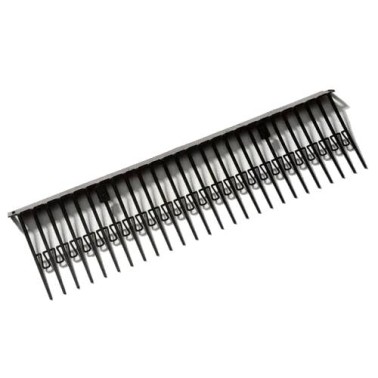
Bird Deterrents for Solar Panels
 10 reviews
- New
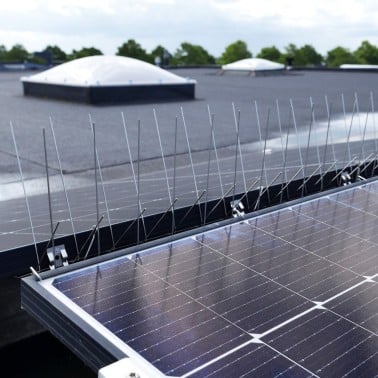
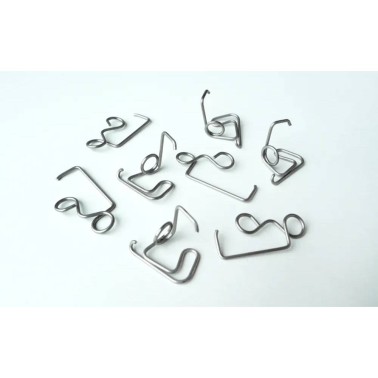
- New

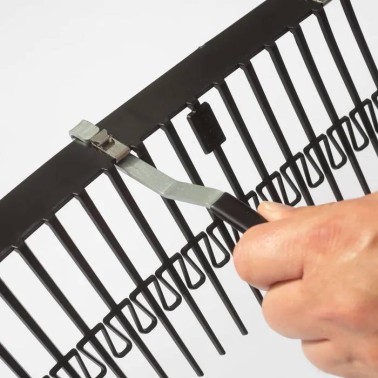

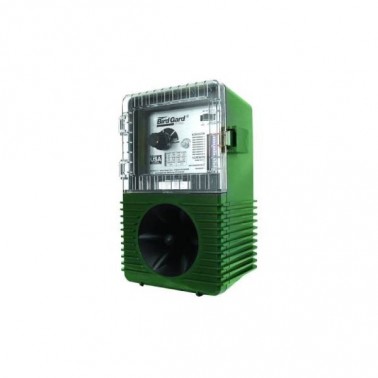

Bird Sound Repeller MultiSound BS-20L – Pigeons and Seagulls (Multi-Bird & Seagull Special Versions)
Price
€255.31
Sonic bird repeller MultiSound BS-20L for starlings, pigeons, seagulls and other birds.

How to keep birds from getting under solar panels
Pigeons and other birds may use the space underneath solar panels as a shelter or nesting area. This gap provides shade, height and a certain level of protection, but it can also create serious problems for the installation: build-up of twigs, feathers and droppings, reduced ventilation, dirt on the roof and possible damage to nearby cables or components.
To prevent birds from getting underneath solar panels, the most direct solution is usually to install a physical barrier that blocks access to the lower gap beneath the panels. In installations where birds also perch regularly on the roof or around the panels, this barrier can be complemented with visual or sound-based bird deterrents.
What problem do you have with your solar panels?
| Problem | Recommended solution | Objective |
|---|---|---|
| Pigeons getting underneath solar panels | BirdBlocker | Block access to the gap under the panels |
| Nests or debris under the panels | Previous cleaning or inspection + BirdBlocker | Prevent the problem from recurring |
| Birds perching on the roof or near the panels | Visual or sound-based bird deterrents | Reduce bird presence in the area |
| New solar panel installation | Preventive BirdBlocker installation | Prevent future nests under the panels |
BirdBlocker: the solution to prevent nests underneath solar panels
BirdBlocker is a physical barrier system designed to stop pigeons and other birds from accessing the space underneath solar panels. Its purpose is not to scare birds away with sound or movement, but to physically block entry to the lower gap beneath the panels.
It is the most suitable solution when the main problem is pigeons or other birds getting underneath solar panels, whether they are using the space for shelter, resting or nesting. By properly closing the perimeter of the installation, it helps prevent the build-up of twigs, feathers, droppings and other debris under the panels.
In addition to protecting the photovoltaic installation, this solution also takes a bird-friendly approach. Preventing birds from getting under the panels not only reduces damage and dirt, but also stops them from breeding in a space that may not be suitable for them due to heat build-up, limited ventilation and proximity to cables or electrical components.
BirdBlocker works as a preventive and deterrent solution: it does not trap or harm birds, it simply prevents them from accessing an area where they should not settle.
What if birds perch on the roof or around the panels?
If the problem is not that birds are getting underneath the panels, but rather that they perch on the roof, approach the area frequently or dirty the installation, other complementary solutions may be useful.
Sound-based bird deterrents
Sound-based bird deterrents, such as the Bird Gard Pro, the BroadBand Pro or the Bird Sound Repeller MultiSound BS-20L, can help reduce bird presence on large roofs, industrial buildings, agricultural sites or installations where a wider surface area needs to be protected. The Bird Gard Pro offers coverage of up to 6,000 m². For larger areas, other models can be considered, such as Bird Gard Pro Plus, Bird Gard Super Pro or Bird Gard Super Pro Amp.
On smaller roofs, such as those of a detached house, the Solar Sonic Bird Repeller - WK0109 may be more suitable. This device plays birds of prey sounds, includes high-intensity LED flashes and can operate in PIR mode, activating only when movement is detected. It can therefore be an interesting option to reinforce roof protection and reduce the presence of pigeons or other birds in the area.
These devices can be a good complement when there is a general presence of birds on the roof. However, if pigeons are already getting underneath the solar panels, the main solution should be a physical barrier such as BirdBlocker.
Hawk ScareCrow
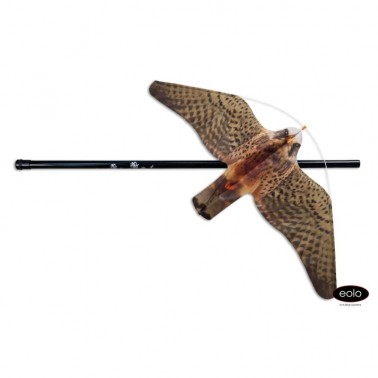
The Hawk ScareCrow - Eolo is a visual solution that simulates the flight of a natural predator. It can help deter birds from approaching the area and reduce their presence on roofs, coverings or areas near solar panels.
As with sound-based deterrents, it should be understood as a complementary solution. It can be useful to reinforce the general protection of the roof, but it does not replace a physical barrier when the specific problem is pigeons getting underneath the solar panels.
When should bird protection be installed on solar panels?
Bird protection can be installed preventively or after a problem has already been detected. In many cases, acting before birds nest helps avoid later cleaning, maintenance and debris removal work.
- Before the nesting season: this is one of the best times to prevent birds from settling under the panels.
- When installing new solar panels: it allows the installation to be protected from the beginning and helps prevent future nests.
- When pigeons are seen near the roof: frequent bird presence may be a sign that they are exploring possible shelter areas.
- After cleaning an installation with previous nests: once the dirt has been removed and the area has been inspected, access should be blocked to prevent the problem from recurring.
What to do if there are already nests under the solar panels
If there are already nests, twigs, feathers or droppings under the solar panels, it is important to proceed carefully before installing any protection system.
- Do not handle active nests without getting proper advice first.
- Check whether there are eggs or chicks before removing any debris.
- Consult a professional if you are not sure how to proceed.
- Clean the area when it is possible and safe to do so.
- Once the installation has been inspected and cleaned, install a physical barrier to prevent birds from getting back under the panels.
This step is important because access to the panels should not be closed if there is a risk of leaving birds trapped underneath. Protection should always be installed after confirming that the space is clear.
Common mistakes when protecting solar panels from birds
To protect a photovoltaic installation from pigeons and other birds, it is not enough to choose just any bird deterrent system. The right solution depends on whether birds are perching on the roof, dirtying the panels or getting underneath the solar panels to shelter or nest. These are some common mistakes to avoid.
Installing only a visual deterrent when pigeons are already nesting under the panels
Visual deterrents can help reduce bird presence in an area, especially when used as a complement. However, if pigeons have already found shelter underneath the solar panels, a visual system on its own may not be enough.
When the problem is under the panels, the priority should be to physically prevent access to that space. In these cases, a barrier such as BirdBlocker is usually the most direct solution.
Not cleaning or inspecting the installation before placing a barrier
Before closing access to the space under the panels, it is important to inspect the area. If there are already nests, twigs, feathers or droppings, the area should be cleaned and checked to make sure there are no birds, eggs or chicks underneath the panels.
Installing a barrier without inspecting the installation first can cause problems later and, in the worst case, leave birds trapped under the panels. For this reason, protection should always be installed on an area that has been inspected and is free of bird activity.
Leaving gaps in corners, sides or hard-to-reach areas
Pigeons can use small gaps to get under solar panels. That is why it is not enough to protect only the most visible sections of the installation. The full perimeter of the panels should be checked carefully, including corners, sides and points where the structure has irregularities.
A poorly closed barrier can reduce the effectiveness of the system, as birds may continue to find entry points.
Not checking gutters, cables or alternative access points
In some installations, birds do not access the panels only through the main edge. They may also approach through gutters, cable routes, supports or areas where the roof makes access easier.
Before installing protection, it is advisable to observe where the birds are actually entering and check all possible access points. This helps adapt the solution more effectively and prevents the problem from moving to another part of the installation.
Waiting until the problem gets worse
Acting when there are already nests, accumulated dirt or a stable pigeon presence is usually more complicated than preventing the problem from the beginning. Birds tend to return to places where they have already found shelter, especially if they have nested there before.
That is why, in new solar installations or on roofs where pigeons are already seen frequently, it may be advisable to install preventive protection before the nesting season.
Using a perching solution when the real problem is nesting
Not all bird deterrent systems solve the same problem. Some products are designed to prevent birds from perching on cornices, railings, roofs or specific areas. Others are designed to reduce bird presence over large areas. And others, such as BirdBlocker, are specifically designed to block access underneath solar panels.
If the problem is that pigeons are getting underneath the panels, the solution must focus on closing that gap. If there are also many birds on the roof, combining the physical barrier with visual or sound-based deterrents can be considered.
Related guides on birds and solar panels
If you would like to learn more before choosing the most suitable solution, our blog includes several practical guides on birds, pigeons and solar panels. These articles can help you identify the problem more accurately, understand when to act and decide which type of solution is best suited to each case.
Frequently asked questions about bird protection for solar panels
What is the best solution to keep pigeons from getting under solar panels?
The most direct solution is usually BirdBlocker, because it physically blocks access to the gap under the solar panels. This prevents pigeons from getting underneath the panels to shelter or build nests.
Does BirdBlocker harm birds?
No. BirdBlocker does not trap or harm birds. Its function is to prevent access to the space under solar panels, avoiding nesting in an area that is unsuitable for birds and problematic for the installation.
Can sound deterrents prevent nests under solar panels?
Sound deterrents can help reduce bird presence in the area, especially on large roofs or industrial installations. However, if the problem is that pigeons are getting underneath the solar panels, the most direct solution is a physical barrier such as BirdBlocker.
When is the best time to install BirdBlocker?
The ideal time to install BirdBlocker is before the nesting season or when new solar panels are being installed. It can also be installed after cleaning and inspecting an installation where there have already been nests, provided that it has first been checked that there are no birds under the panels.
What should I do if there is already a nest under the solar panels?
Before acting, check whether the nest is active and whether there are eggs or chicks. Do not handle active nests without getting proper advice first. Once it is possible to remove debris and clean the area, a physical barrier can be installed to prevent birds from accessing the space under the panels again.
Can BirdBlocker be combined with other bird deterrents?
Yes. In many installations, BirdBlocker can be combined with visual or sound-based deterrents if, in addition to preventing access under the panels, you also want to reduce the general presence of birds on the roof or around the solar installation.