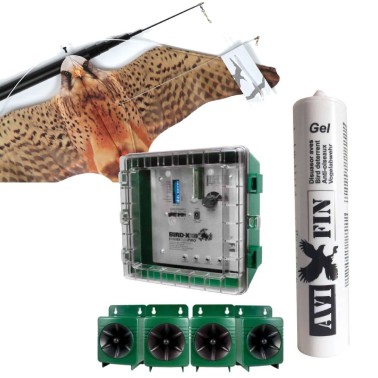
Which seagull deterrent solution should you choose?
There is no single seagull deterrent that works for every situation. The right solution depends on whether seagulls are landing on a specific point or affecting a wider area, whether sound can be used in the environment, the surface that needs protection and the level of bird pressure.
At BirdGard Iberia, we specialise in bird control solutions. We work with different technologies and specialist brands to recommend the most suitable solution for each case.
| Situation |
Common problem |
Recommended solution |
Suitable products |
| Roofs and building covers, warehouses and industrial buildings |
Seagulls landing, droppings, noise or recurring presence |
Bioacoustic bird deterrents |
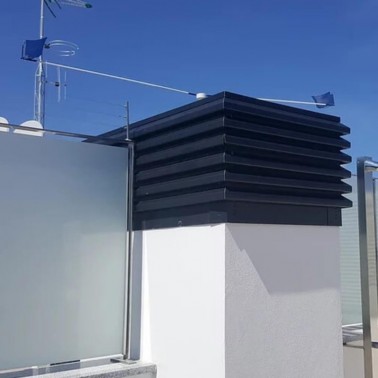
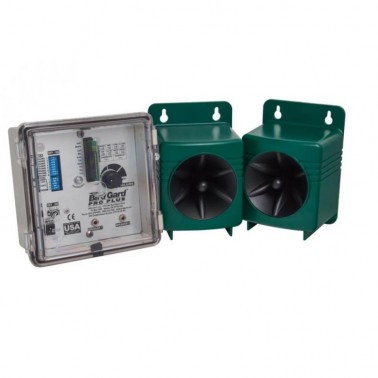
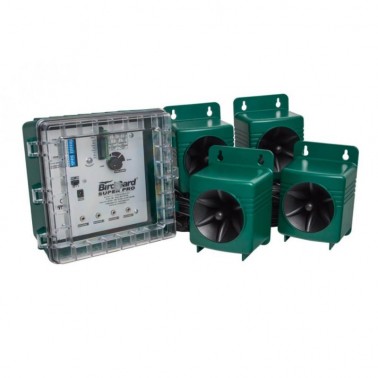
BirdGard Pro or higher models, MultiSound, BroadBand Pro |
| Penthouses and private terraces |
Seagulls on railings, awnings, pergolas, ledges or nearby roofs |
Visual solution, anti-perching system for specific points or PIR acoustic deterrent |
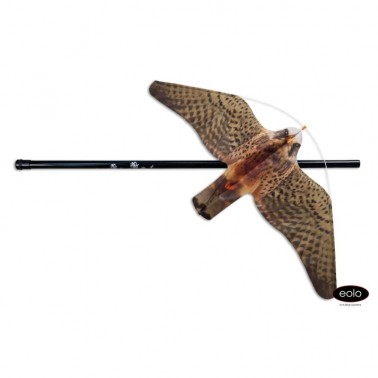
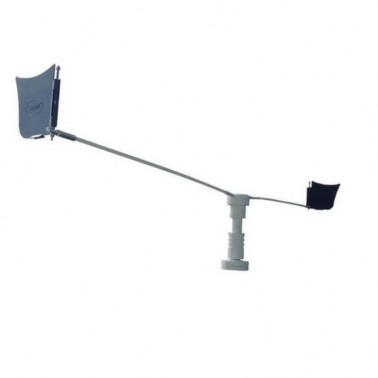
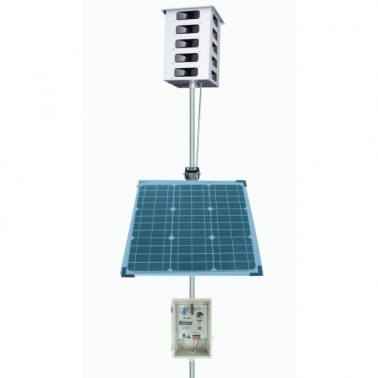
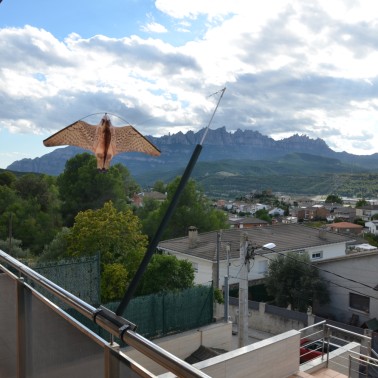
Flying Hawk Bird Scarer Eolo, Bird Repeller for Roof, Solar Sonic Bird Repeller - WK0109 |
| Residential communities |
Droppings on rooftops, patios, swimming pools, roofs or shared areas |
Combination of sound, visual deterrents and anti-perching systems depending on the area |
BroadBand Pro, BirdGard Pro, MultiSound, Flying Hawk Bird Scarer Eolo, Bird Repeller for Roof |
| Swimming pools |
Dirty water, droppings, nuisance and hygiene problems |
Prevention, cleaning, visual deterrents and sound if the environment allows it |
Flying Hawk Bird Scarer Eolo, MultiSound, BirdGard Pro, BroadBand Pro |
| Boats and sailboats |
Seagulls landing on the deck, bimini, boom, mast or radar |
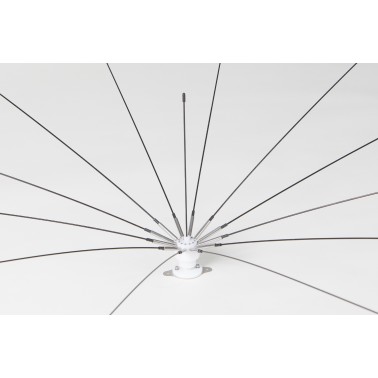
Physical anti-perching systems designed for marine use and visual deterrents |
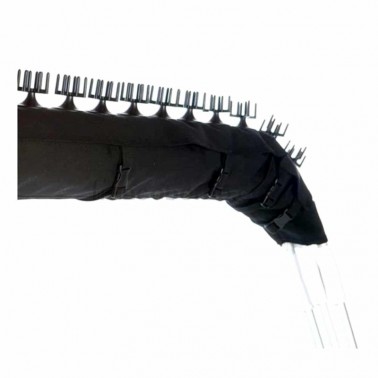
StopGull Air, StopGull Bimini, Flying Hawk Bird Scarer Eolo |
| Pontoons and marinas |
Seagulls on walkways, moorings, lights, boats and shared areas |
Anti-perching systems on landing points and bioacoustic deterrents for wider areas |
StopGull Air XL, StopGull Air, BirdGard Pro, MultiSound |
| Hotels, restaurants and coastal businesses |
Image problems, hygiene issues, recurring cleaning and nuisance for customers |
Discreet solution combining visual deterrents, sound and anti-perching systems |
Flying Hawk Bird Scarer Eolo, BirdGard Pro, MultiSound, Solar Sonic Bird Repeller - WK0109 |
| Specific landing points |
Seagulls always landing on the same railing, lamp post, ledge or edge |
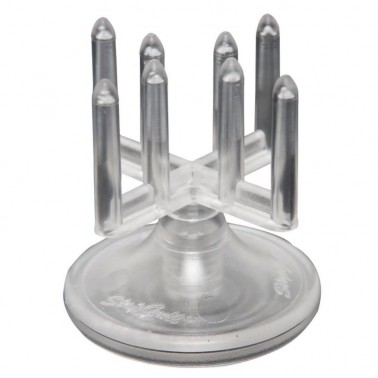
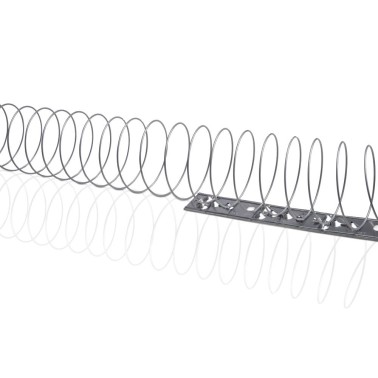
Physical systems that prevent perching |
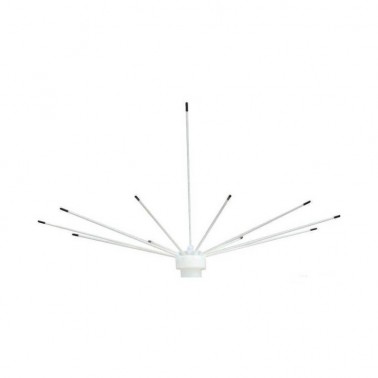
Bird Repeller for Roof, StopGull Air, StopGull S27 |
Do ultrasonic devices work against seagulls?
We do not recommend using ultrasonic devices alone as the main solution against seagulls. Seagulls are large, intelligent and adaptable birds, and in open spaces or coastal areas the effectiveness of ultrasonic deterrents may be limited.
For seagulls, natural alarm and predator sounds, moving visual deterrents and physical devices that prevent perching are usually more effective. In many cases, especially when the problem has been established for some time, the best option is to combine several methods.
Not sure which solution to choose?
If you are not sure which seagull deterrent you need, the most important step is to identify where the birds are landing, what surface you want to protect and whether the problem is occasional or recurring. The same solution is not recommended for a private terrace, a building roof, a swimming pool, a boat or a marina.
At BirdGard Iberia, we can help you assess the case and recommend the most suitable solution among the different technologies available.
What should you do if seagulls are nesting?
If seagulls are already nesting, we do not recommend installing deterrents or removing active nests without first assessing the situation. In these cases, it is advisable to wait until the chicks are able to leave the nest and, where appropriate, request nest removal by a professional or the relevant authority.
Once the area is free of activity, the most suitable solution can be installed to help prevent seagulls from using the same space as a nesting area again. Acting at the right time is important both to improve the effectiveness of the deterrents and to avoid harming the birds.
Seagull deterrents selected according to each problem
At BirdGard Iberia, we work with different technologies to deter seagulls without harming them: bioacoustic bird deterrents, acoustic devices with PIR sensors, visual systems, anti-perching solutions and specific products for boats, terraces, roofs, swimming pools or marinas.
Our goal is not to recommend the same product every time, but to assess each case and guide the customer towards the most suitable solution. A building roof, a private terrace, a residential community, a swimming pool or a boat do not necessarily require the same system.
If the problem affects a wide area, solutions such as BirdGard Pro, MultiSound or BroadBand Pro may be suitable. If seagulls are landing on specific points, a physical anti-perching system may be more appropriate. And if a visual or silent solution is required, the Flying Hawk Bird Scarer Eolo may be an interesting option, especially for terraces, swimming pools or as a complementary measure.
For boats, sailboats and pontoons, where the problem is usually linked to specific landing points, systems such as StopGull Air or other marine-use solutions may be more suitable.
Frequently asked questions about seagull deterrents
What is the best seagull deterrent?
There is no single seagull deterrent that works for every case. For roofs, building covers, residential communities or wide areas, bioacoustic deterrents such as BirdGard Pro, MultiSound or BroadBand Pro are often more suitable. For private terraces, swimming pools or areas where a visual solution is preferred, the Flying Hawk Bird Scarer Eolo can be a good option. For boats, pontoons or specific landing points, anti-perching systems are usually more appropriate.
How can I deter seagulls from a roof or building cover?
On roofs and building covers, seagulls often return because they find high, quiet areas where they can land. In these cases, bioacoustic deterrents can help reduce their presence in the area. Depending on the surface and bird pressure, solutions such as BirdGard Pro, MultiSound, BroadBand Pro or higher models may be considered.
What can I use to deter seagulls from a private terrace?
On private terraces, penthouses or patios, it may be advisable to start with a visual solution such as the Flying Hawk Bird Scarer Eolo. If seagulls always land on the same railing, ledge, pergola or awning, an anti-perching solution may also be needed at that specific point, such as Bird Repeller for Roof. In some cases, an acoustic bird deterrent with a PIR sensor, such as the Solar Sonic Bird Repeller - WK0109, may also be considered.
How can I keep seagulls away from a swimming pool?
For swimming pools, prevention, cleaning and deterrence should be combined. If seagulls appear only occasionally, a visual solution such as the Flying Hawk Bird Scarer Eolo can help. If the problem is recurring or affects a wider area, sound-based solutions such as MultiSound, BirdGard Pro or BroadBand Pro may be considered, always taking the environment and possible noise disturbance into account.
In some specific cases, when seagulls land at night next to the swimming pool, a mobile anti-perching solution such as StopGull Air with a bag support can be considered, as it can be placed at night and removed the following day.
How can I stop seagulls from landing on a boat?
On boats and sailboats, the problem is usually linked to specific points such as the deck, bimini, boom, mast or radar. In these cases, the most suitable option is usually to use physical anti-perching systems designed for marine use, such as StopGull Air or StopGull Bimini. The Flying Hawk Bird Scarer Eolo can also be used as a visual reinforcement.
Which solution should I choose for seagulls on pontoons or in marinas?
On pontoons and in marinas, seagulls may land on walkways, moorings, lights, boats and shared areas. When the problem is concentrated on specific landing points, anti-perching systems such as StopGull Air or StopGull Air XL can be used. If seagull presence affects a wider area, bioacoustic deterrents such as BirdGard Pro or MultiSound may also be considered.
Do ultrasonic devices work against seagulls?
We do not recommend using ultrasonic devices alone as the main solution against seagulls. Seagulls are large, intelligent and adaptable birds, and in open spaces or coastal areas the effectiveness of ultrasonic deterrents may be limited. In many cases, natural alarm and predator sounds, moving visual deterrents and physical devices that prevent perching work better.
What is the difference between a bioacoustic, visual and anti-perching deterrent?
A bioacoustic deterrent uses natural alarm or predator sounds to reduce the presence of seagulls in an area. A visual system, such as a flying hawk bird scarer, aims to create a visual threat signal. An anti-perching system physically prevents seagulls from landing on specific points such as railings, ledges, boats, lamp posts or pontoons.
Can I install deterrents if seagulls are nesting?
If seagulls are already nesting, we do not recommend installing deterrents or removing active nests without first assessing the situation. The safest approach is to wait until the chicks are able to leave the nest and, where appropriate, request nest removal by a professional or the relevant authority. Afterwards, once the area is clear, the appropriate solution can be installed to help prevent seagulls from nesting in the same place again.
Do seagull deterrents harm birds?
No. The recommended solutions aim to modify the behaviour of seagulls so that they avoid the area, without capturing or harming them. The goal is to create an uncomfortable environment or prevent perching, not to harm the animal.
When should several solutions be combined?
Several solutions should be combined when the problem is persistent, when seagulls have been using the area for some time or when different types of problems occur at the same time. For example, a bioacoustic deterrent can be combined with a visual system and anti-perching devices on the points where birds land most frequently.

 62 reviews