Repelling magpies is not just a matter of placing a fixed scarecrow in the garden. Magpies are corvids: intelligent, observant birds with good memory and a strong ability to get used to repetitive stimuli when they do not perceive real risk.
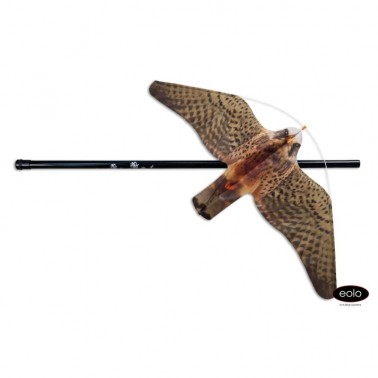
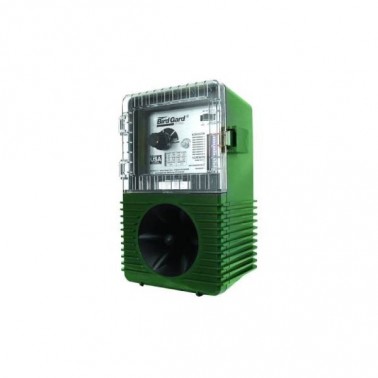
When they visit gardens, terraces, orchards, fruit trees, roofs, farms or smallholdings, the best results usually come from combining prevention with sound and moving visual pressure. BirdGard bioacoustic systems, acoustic bird repellers and the Hawk ScareCrow - Eolo can help make the area feel unsafe for them.
This guide explains how to identify the problem, what attracts magpies and which solution to choose depending on the place you need to protect. To compare other birds, visit Bird Species.
Which solution to choose for repelling magpies
| Situation |
Recommended solution |
Comment |
| Garden, terrace or visible domestic area |
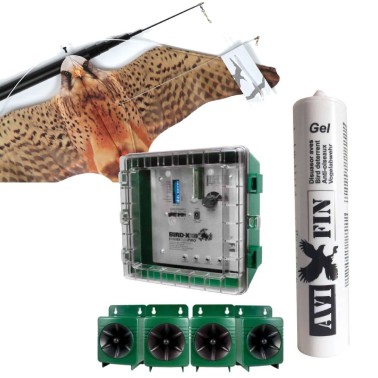
Hawk ScareCrow - Eolo |
Useful visual reinforcement when it moves in the wind and is repositioned periodically. |
| Fruit trees, orchards or small crops |
Bird Gard Pro, Bird Sound Repeller MultiSound BS-20L and Hawk ScareCrow - Eolo |
Combining sound with movement helps reduce habituation. |
| Roofs, covers, ledges or perching points |
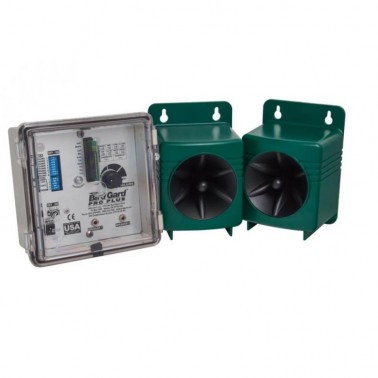
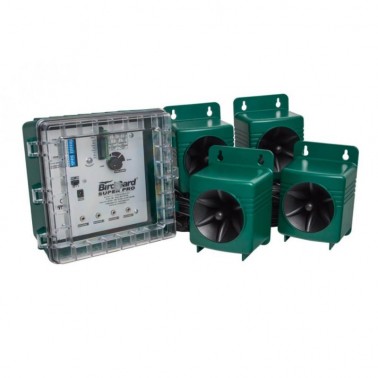
Bird Gard Pro Plus or Bird Gard Super Pro |
Suitable when speakers must be aimed at several activity zones. |
| Crops, farms or recurring pressure |
Bird Gard Pro, Bird Gard Pro Plus, Bird Gard Super Pro or Bird Gard Super Pro Amp - Mega Blaster Pro |
The model depends on surface area, pressure and speaker placement. |
| Several bird species at the same site |
Bird Sound Repeller MultiSound BS-20L |
Acoustic option when the problem is not limited to magpies. |
| Small domestic area |
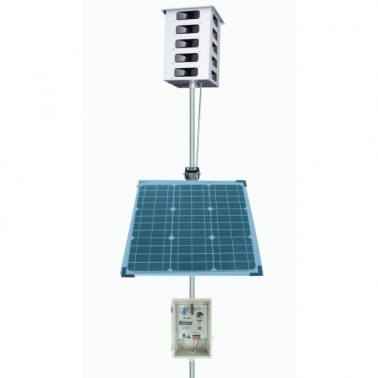
Solar Sonic Bird Repeller - WK0109 |
Suitable for small, low-pressure areas where an autonomous device is preferred. |
| Crops, warehouses or professional uses |
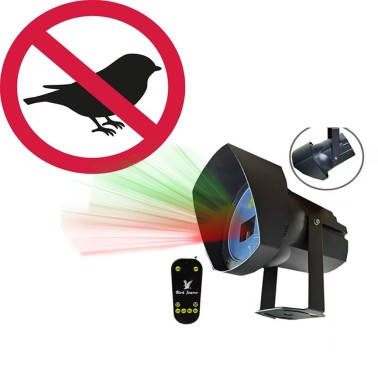
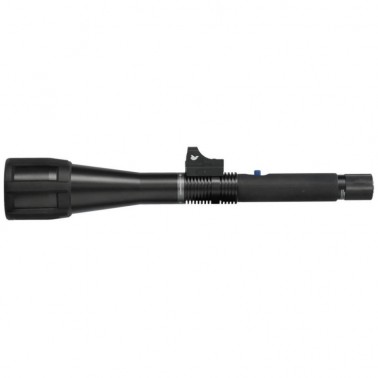
Bird Laser Repeller or Agrilaser Handheld |
Manual laser deterrents can be useful for specific professional interventions. |
| Occasional trapping in specific cases |
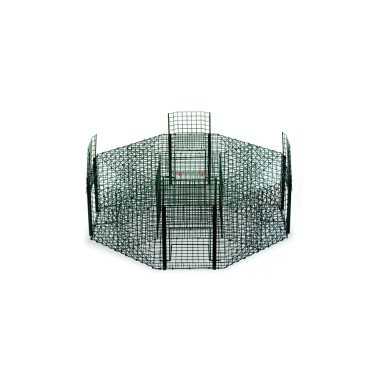
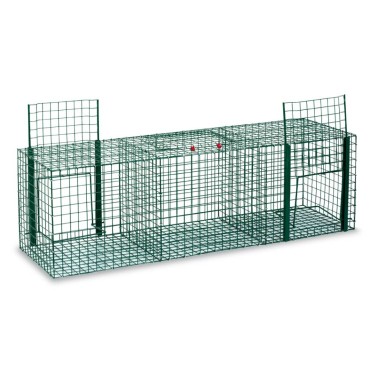
Trap Cage for Magpies, Pigeons, Crows - Octagonal or Trap Cage for Pigeons, Magpies, Crows - 3 compartments |
Only when legally appropriate and with a specific objective. |
Magpie: why this bird needs a specific approach
The magpie is a corvid, the same bird family as crows and jackdaws. This matters because its behaviour is more complex than that of many small birds: it explores, learns, remembers safe areas and can quickly detect when a stimulus is harmless.
For that reason, one fixed figure, one shiny object or one sound repeated without variation usually loses effect. A better strategy uses pressure from different angles: suitable sound, movement, changes in position and early action before the birds turn the place into a regular feeding point.
What attracts magpies
Magpies often return to places where they find food, water, shelter, nesting material or easy perching points. Fruit trees, vegetable gardens, compost, pet food, open rubbish, bird feeders and quiet roofs can all make an area attractive.
Before installing a repeller, remove what is easy to correct: close bins, avoid leaving food outside, protect fruit and reduce access to the most attractive points. Repelling works better when the site no longer offers an obvious reward.
How to repel magpies effectively
The most reliable approach is to make the area unpredictable and uncomfortable without relying on a single stimulus. In gardens and terraces, a moving visual deterrent can help; in crops, farms or recurring problems, acoustic or bioacoustic pressure is usually more important.
- Act early: start before magpies establish a routine.
- Aim the sound correctly: direct speakers at feeding, perching or entry zones.
- Use movement: moving visual deterrents are harder to ignore than static figures.
- Change placement: small changes help prevent habituation.
- Combine methods: sound plus visual reinforcement usually works better than either method alone.
BirdGard and MultiSound for magpies
BirdGard systems reproduce alarm calls and predator sounds that birds interpret as danger signals. For magpies and other corvids, this type of bioacoustic pressure is more suitable than simple ultrasonic devices in open areas.
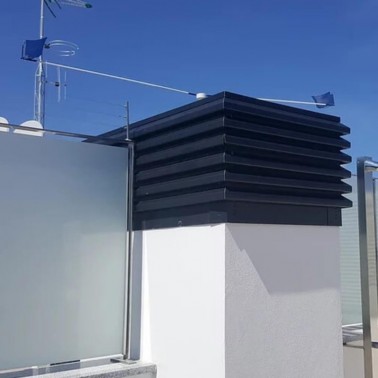
The Bird Sound Repeller MultiSound BS-20L can be considered when the site has several bird species or when you need a compact acoustic option. You can also review the full category of Sonic Bird Repellers.
Hawk ScareCrow - Eolo as visual reinforcement
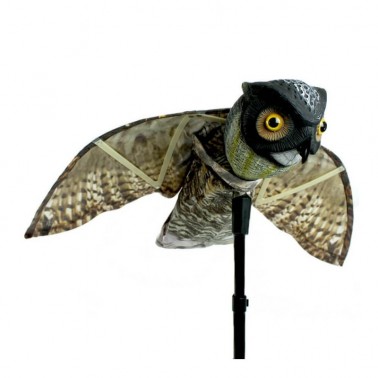
The Hawk ScareCrow - Eolo creates a moving predator silhouette. It is especially useful in visible outdoor areas such as gardens, orchards, terraces, roofs and small crops.
It should be installed where the wind gives it movement and where magpies can see it before entering the protected area. To maintain the effect, change its position from time to time and combine it with sound when pressure is high.
WK0109 for gardens and small areas
The Solar Sonic Bird Repeller - WK0109 can be useful in small domestic areas, especially when you want a solar, autonomous device for low to moderate pressure. It is not the first choice for large crops or established flocks.
Laser deterrents for professional use
For farms, warehouses, crops or professional settings, the Bird Laser Repeller and Agrilaser Handheld can be useful for targeted interventions. They require responsible use and are normally handled as part of a broader strategy, not as a passive device left running alone.
How to prevent magpies from getting used to repellers
Habituation is the main risk with magpies. If the stimulus is always the same, always in the same place and never linked to a perceived threat, they may learn to ignore it.
- Move visual deterrents periodically.
- Adjust speaker orientation when birds change routes.
- Do not switch systems off too soon if the birds have just started to leave.
- Combine sound, movement and removal of food sources.
- Increase pressure during the first days of the problem.
Trap cages for magpies: what to consider
Trap cages such as the Trap Cage for Magpies, Pigeons, Crows - Octagonal or the Trap Cage for Pigeons, Magpies, Crows - 3 compartments may be considered only in specific situations and after checking applicable regulations.
For gardens, crops and wide areas, repelling is usually the first approach. Trapping does not replace good prevention, habitat management or sustained deterrence.
Poison for magpies: why it is not the solution
Using poison against magpies is not recommended. It can be illegal, dangerous for non-target animals and people, and ineffective as a long-term management method. The correct approach is prevention, legal deterrence and, where appropriate, professional advice.
Related guides about magpies
Frequently asked questions about repelling magpies
How do I repel magpies from a garden or terrace?
Remove food sources, protect fruit or feeders and use a moving visual deterrent such as Hawk ScareCrow - Eolo. If magpies keep returning, reinforce the area with acoustic pressure.
What is the best magpie repeller?
It depends on the site. For gardens, moving visual deterrents may be enough. For crops, roofs, farms or recurring pressure, BirdGard or MultiSound acoustic systems are usually more suitable.
Do BirdGard systems work against magpies?
Yes. Magpies are corvids and usually respond better to bioacoustic alarm and predator sounds than to fixed scarecrows or repetitive simple stimuli.
Does Hawk ScareCrow - Eolo help against magpies?
Yes. It can help as visual reinforcement because it moves like a bird of prey. Its effect improves when it is repositioned and combined with sound in high-pressure areas.
Do magpies get used to scarecrows?
They can get used to fixed or repetitive deterrents. Movement, changes in position and combined stimuli reduce that risk.
What attracts magpies?
Food, fruit, pet food, open rubbish, bird feeders, water, nesting material and quiet perching points can attract them.
How can I stop magpies stealing fruit?
Protect fruit physically where possible, remove fallen fruit and use sound or moving visual pressure before the birds establish a feeding routine.
How can I protect bird feeders from magpies?
Use protected feeders, avoid excess food on the ground and move feeding points away from easy perches. Deterrents can help when magpies visit repeatedly.
Can magpies be trapped with cage traps?
Only in specific cases and after checking local regulations. Repelling and prevention are normally the first options.
Is poison recommended for magpies?
No. Poison is not recommended because it can be illegal, unsafe and harmful to non-target animals. Use legal prevention and deterrence methods instead.
Magpie repelling solutions at BirdGard Iberia
At BirdGard Iberia we help you choose the right solution for magpies in gardens, orchards, crops, roofs, farms and professional sites. If you are unsure whether to use sound, visual reinforcement, laser deterrents or a trap cage in a specific case, contact us and we will advise you free of charge.

 64 reviews