Detering pigeons is an increasingly common practice in urban and rural areas where pigeons have become a major nuisance and, in many cases, a public health problem. Pigeons can cause many issues with their droppings, damaging buildings, structures, and vehicles, and posing health risks. Here we highlight some strategies and methods used to deter pigeons:
Before installing pigeon deterrents, it is important to carry out some preliminary actions to effectively deter pigeons:
For more details on effective pigeon deterrents, we invite you to visit our section repel pigeons.
What is the best way to repel pigeons?
The best way to repel pigeons depends on where they perch and how persistent the problem is. For larger areas, sound or visual bird repellers are often used. For specific perching points, such as cornices, balconies or window ledges, physical systems such as spikes, tensioned wires or nets are usually more suitable. In many cases, combining several methods provides better results.
Do sound bird repellers work against pigeons?
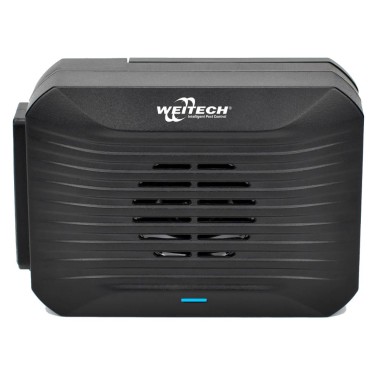
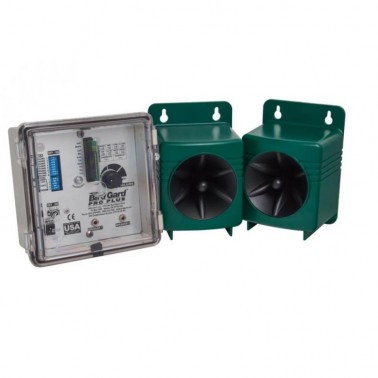
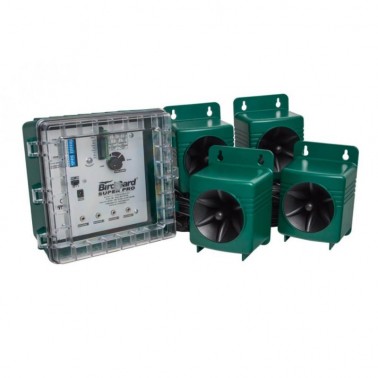
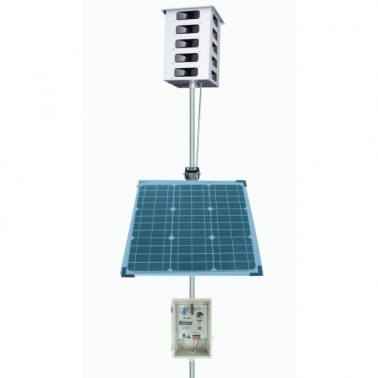
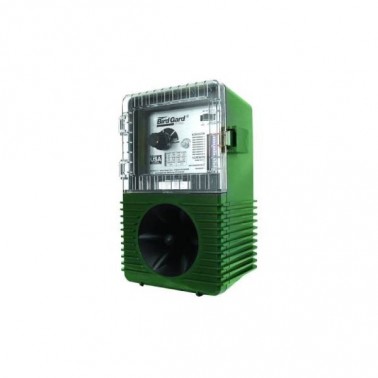
Yes, sound bird repellers can help repel pigeons, especially in large areas or spaces where constant pressure is needed. Results are not usually immediate, as pigeons are persistent birds and may need time to leave an area where they are already used to perching.
What visual methods can be used to repel pigeons?
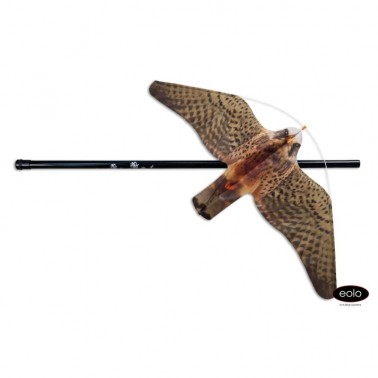
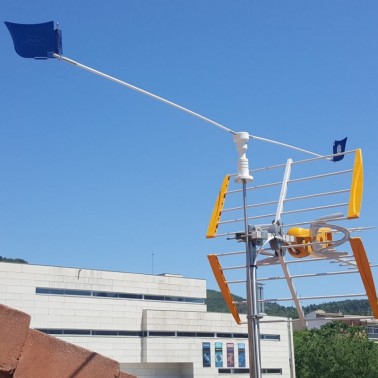
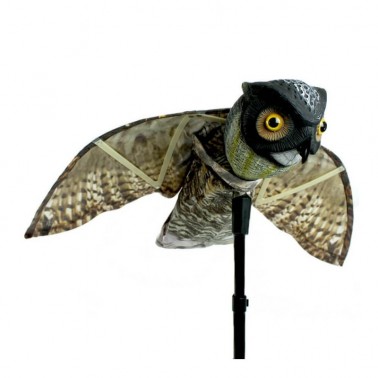
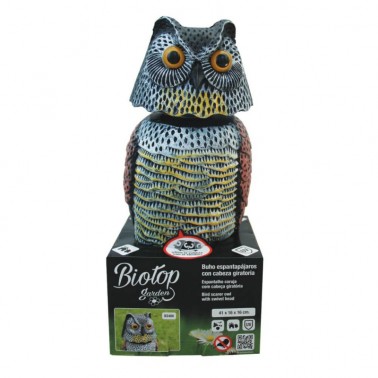
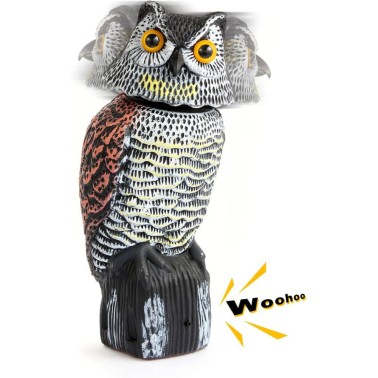
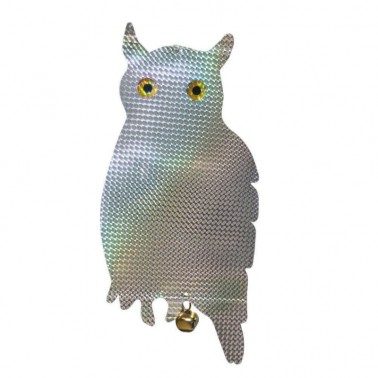
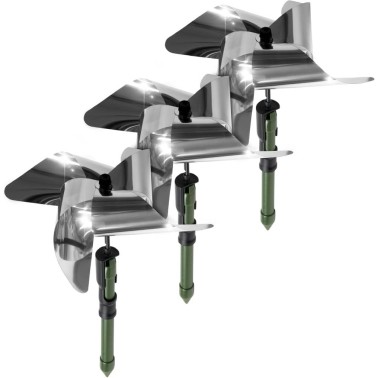
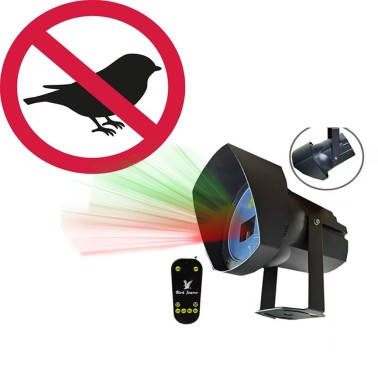
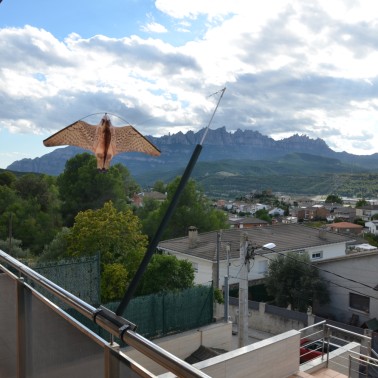
The most commonly used visual methods include predator figures, such as hawks or owls, reflective objects, shiny tapes and elements that move with the wind. These systems can help deter pigeons, especially when used as a complement to other methods.
What can I use to stop pigeons from perching?
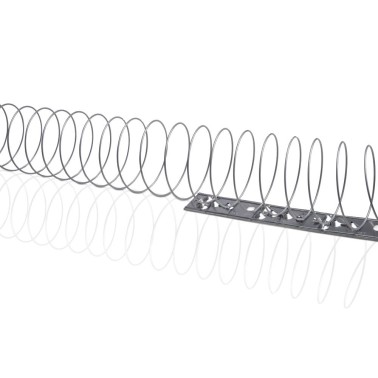
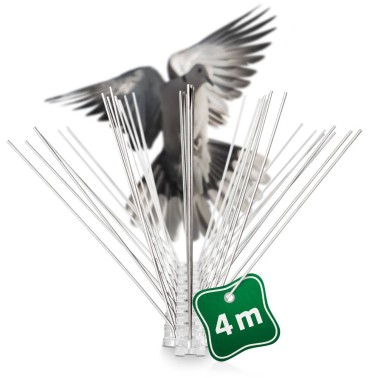
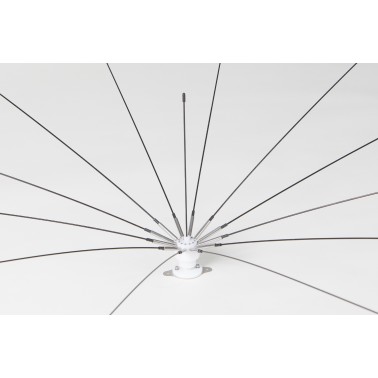
To prevent pigeons from perching on a specific point, pigeon spikes, exclusion nets, tensioned wires, bird coils or other physical anti-perching systems are often used. These methods are not designed to repel pigeons from a wide area, but to stop them from settling comfortably on the point where they are causing the problem.
Do ultrasonic devices work to repel pigeons?
In the case of pigeons, ultrasonic devices may cause some initial discomfort, but they are normally not enough and are not usually effective in the long term. Pigeons can get used to this type of stimulus, so other methods such as audible sound, visual systems, physical barriers or anti-perching solutions are usually recommended first.
Is it important to clean the area before installing a pigeon repeller?
Yes. Before installing any method to repel pigeons, it is advisable to clean the area properly, remove droppings, feathers and nest remains, and reduce possible food sources. This helps reduce the attractiveness of the site and improves the effectiveness of the deterrents.
Can pigeon nests be removed?
If there are active nests, eggs or chicks, it is advisable to act carefully and check the applicable regulations or consult a professional before removing them. Once the area is clear, it is recommended to clean the space properly and install preventive measures to stop pigeons from nesting there again.
How can I prevent pigeons from coming back?
To prevent pigeons from coming back, it is important to combine cleaning, food control, access blocking and the right method for the specific problem. If pigeons are already used to an area, it may be necessary to maintain constant pressure with several complementary systems.

 62 reviews