Which pigeon repeller should you choose?
There is no single pigeon repeller that works for every situation. The right solution depends on whether pigeons are perching on one specific point or affecting a wider area, whether they are entering a warehouse, whether they are nesting under solar panels, the surface that needs to be protected and the level of bird pressure.
| Situation |
Common problem |
Recommended solution |
Suitable products |
| Warehouses, factories and industrial buildings |
Pigeons inside or around the building, droppings, noise and recurring presence |
Sound bird repellers combined with a visual deterrent |
BirdGard Pro, BirdGard Pro Plus, BirdGard Super Pro, MultiSound BS-20L, Hawk ScareCrow |
| Roofs and building covers |
Pigeons perching, droppings, nests or accumulated debris |
Sound, visual or anti-perching systems depending on the surface and perching point |
BirdGard, MultiSound BS-20L, Hawk ScareCrow, WK0109, anti-perching systems |
| Balconies, windows and cornices |
Pigeons repeatedly perching on the same point |
Physical anti-perching systems or localised repellent products |
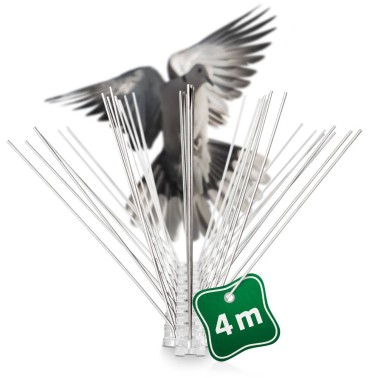
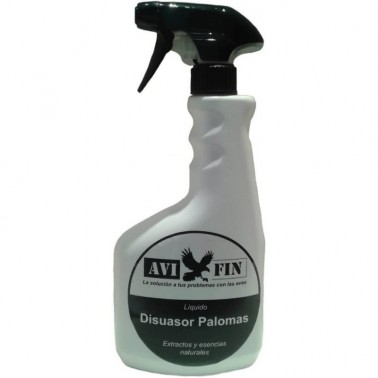
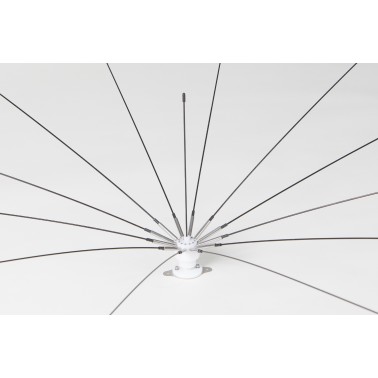
Spikes, bird coils, gels or liquid repellents depending on availability |
| Solar panels |
Pigeons entering or nesting underneath the panels |
Physical barrier to block access under the modules |
BirdBlocker |
| Residential communities |
Problems in courtyards, roofs, cornices, downpipes, windows or shared areas |
Combination of solutions depending on each affected point |
Anti-perching systems, visual deterrents, sound repellers or physical barriers depending on the area |
| Indoor areas, enclosed buildings or professional bird control services |
Pigeons inside controlled spaces, closed structures or cases managed by professionals |
Combined strategy with sound, visual deterrents, access blocking and, in some cases, professional laser use |
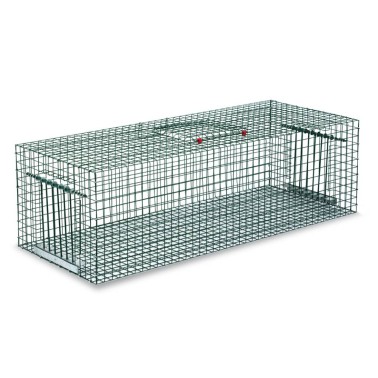
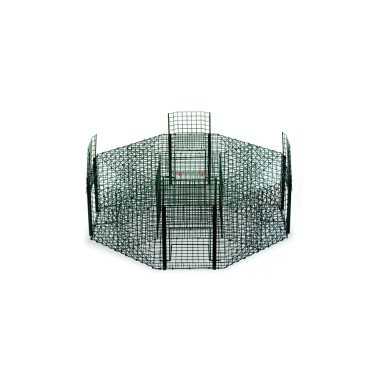
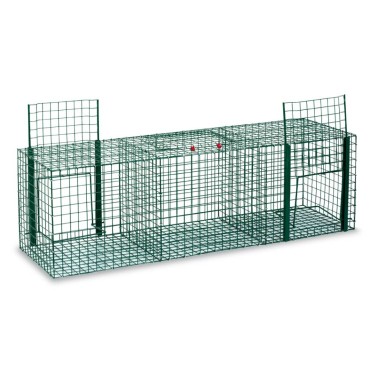
BirdGard, MultiSound BS-20L, Hawk ScareCrow, indoor bird lasers, professional handheld laser, trap cages |
Sound pigeon repellers
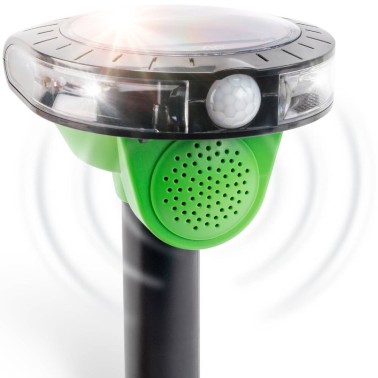
Sound pigeon repellers are one of the most commonly used solutions when pigeons affect large areas such as industrial buildings, factories, warehouses, roofs, livestock facilities or open spaces.
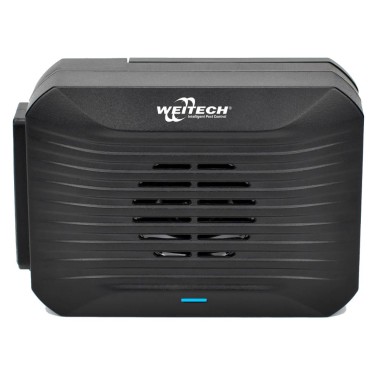
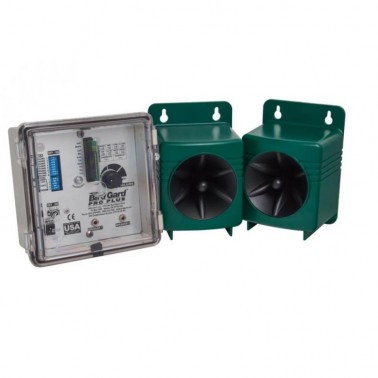
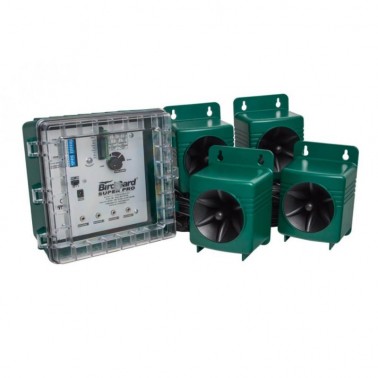
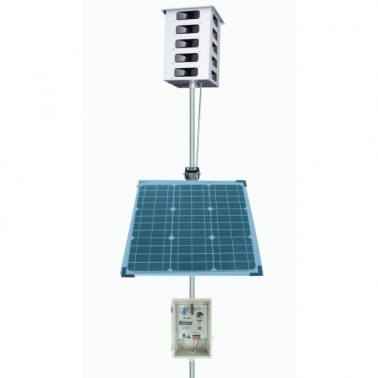
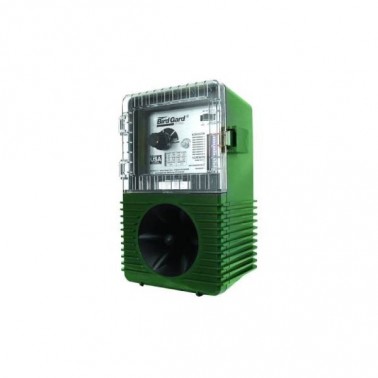
These devices emit audible sounds designed to create a sense of risk in the protected area. Depending on the surface that needs to be covered and the type of installation, it may be worth considering a more compact model or a higher-coverage device, such as BirdGard Pro, BirdGard Pro Plus, BirdGard Super Pro, BirdGard Super Pro Amp or MultiSound BS-20L.
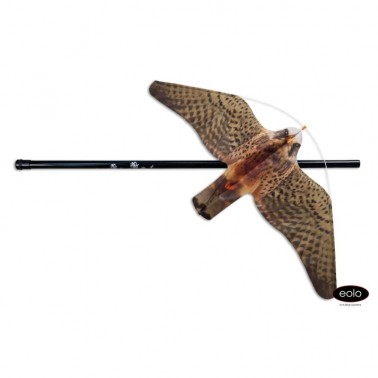
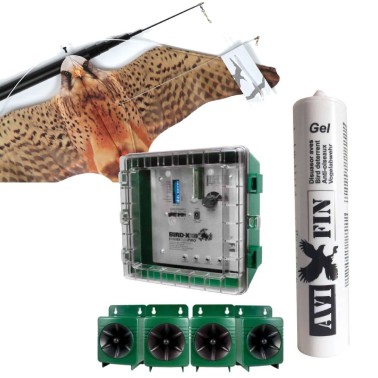
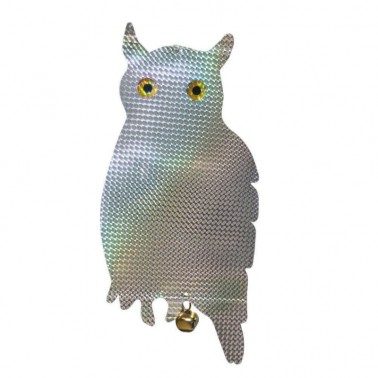
For pigeon problems in warehouses, factories or larger areas, we usually recommend combining the sound repeller with a visual deterrent such as the Hawk ScareCrow. The combined effect of both devices helps improve the effectiveness of the solution: pigeons hear alarm or predator sounds while also seeing a visual threat in the area.
Visual deterrents to reinforce pigeon control
Visual deterrents can help reinforce the feeling of danger in the protected area. They are especially useful as a complement to sound repellers or in areas where movement and a visible threat are needed.
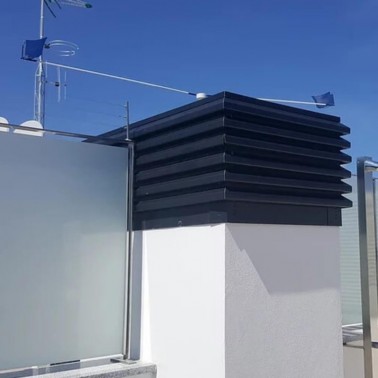
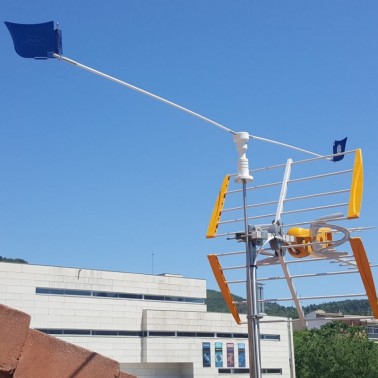
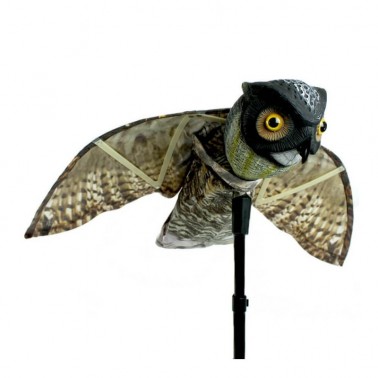
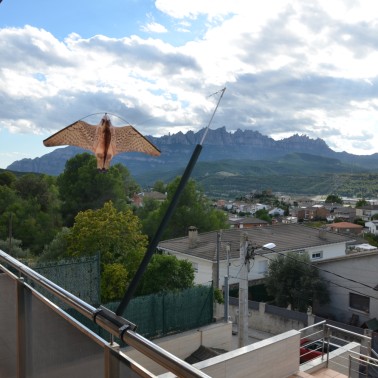
The Hawk ScareCrow is one of the most commonly used visual complements for pigeons, especially on roofs, warehouses, farms, open areas or spaces where it can move with the wind and simulate the presence of a predator.
When pigeons are strongly attached to a site, visual deterrents alone may not be enough. In persistent cases, it is usually better to consider a combined strategy.
Anti-perching systems and repellents for balconies, windows and cornices
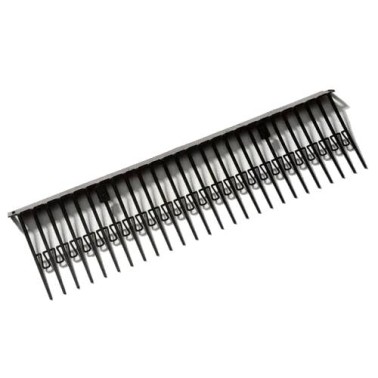
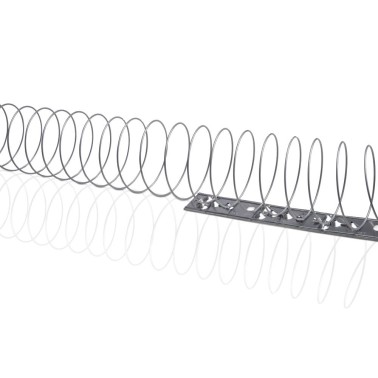
When pigeons repeatedly perch on a specific point, such as a window, cornice, railing, ledge, gutter or air-conditioning unit, the most suitable solution is usually not to repel them from a large area, but to prevent them from landing comfortably on that point.
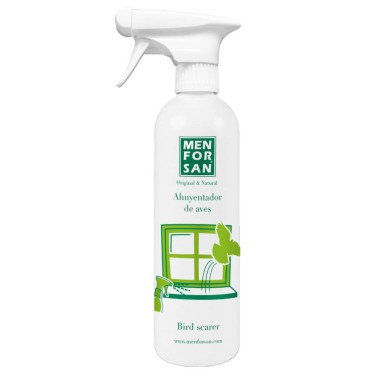
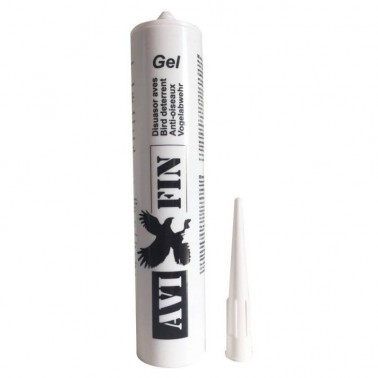
In these cases, anti-perching systems such as spikes, bird coils, wires or similar solutions are often used. Localised repellent products such as gels or liquid deterrents may also be used in some cases.
For this type of problem, you can visit our pigeon spikes section.
Pigeons under solar panels
If pigeons are entering underneath solar panels, the priority is not only to scare them away, but to physically prevent access to the space under the modules. Pigeons can use this area for shelter, debris accumulation or even nesting, which may cause dirt, maintenance issues and reduced performance of the installation.
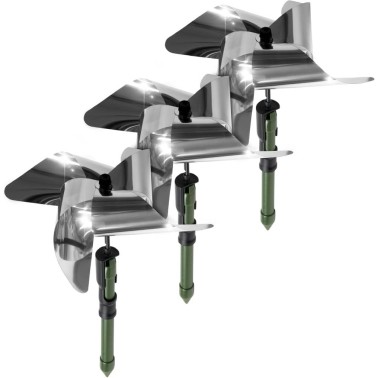
In these cases, a specific barrier such as BirdBlocker is usually more suitable than a simple visual or sound deterrent. The goal is to close the perimeter of the panels so that pigeons cannot access the space underneath.
For this type of problem, you can visit our bird deterrents for solar panels section.
Professional pigeon deterrents and laser systems
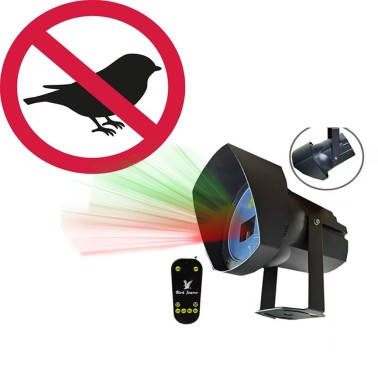
Laser systems can be useful in certain cases, but they should not be presented as a universal solution for every pigeon problem. At BirdGard Iberia, our bird laser systems are mainly intended for indoor or controlled spaces, where the beam can be directed properly and used on specific areas.
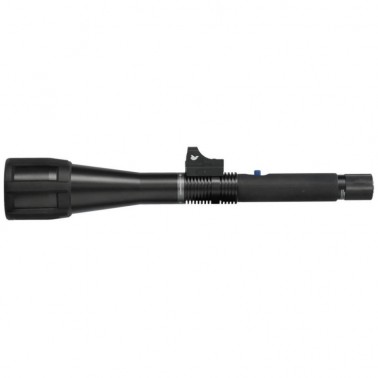
There is also the option of a handheld laser, commonly used by falconers, pest control companies or specialised professionals as part of their bird control service. In these cases, the laser does not necessarily replace other measures, but can form part of a professional combined strategy.
The choice of a laser system should be assessed according to the environment, distance, visibility, time of use, type of installation and whether it can be used safely and correctly directed.
What is the best pigeon repeller?
The best pigeon repeller depends on the specific problem. For warehouses, factories, industrial buildings or large areas, sound repellers combined with a Hawk ScareCrow are usually more suitable. For balconies, windows, cornices or specific perching points, anti-perching systems are normally more appropriate. For solar panels, the priority is usually to physically prevent pigeons from entering underneath the panels with a barrier such as BirdBlocker.
Before choosing a product, it is important to identify where pigeons are perching, whether they have access to food or shelter, whether there are already nests or accumulated debris, and whether the problem affects a specific point or a wider area.
Clean the area before installing a pigeon repeller
Before installing any pigeon deterrent system, we recommend cleaning the area thoroughly to remove droppings, feathers, nest remains and other signs of bird presence. Pigeons tend to return to places where they have already settled, so creating a cleaner environment helps improve the effectiveness of the deterrents.
It is also important to reduce food sources, close access points where possible and prevent pigeons from finding comfortable shelters where they can settle again.
What should you do if pigeons are nesting?
If there are active nests, eggs or chicks, you should act carefully and respect the applicable regulations. In these cases, it may be necessary to wait, consult a professional or check which actions are allowed before removing nests or installing control systems.
Once the area is clear, it is advisable to clean the space properly and apply a preventive solution to prevent pigeons from nesting there again.
Real pigeon control case study
If you want to see a real example of BirdGard solutions in use, you can read the Cenobio del Valerón pigeon control case study, where the problem was managed in a sensitive heritage environment.
Frequently asked questions about pigeon repellers
What is the best pigeon repeller?
It depends on the environment. For large areas such as warehouses, factories or roofs, sound repellers combined with a Hawk ScareCrow are usually more suitable. For balconies, windows or cornices, anti-perching systems are normally more appropriate. For solar panels, the most important thing is usually to physically block access underneath the panels with a barrier such as BirdBlocker.
What pigeon repeller do we recommend for warehouses or factories?
For warehouses, factories or industrial buildings, we usually recommend a sound repeller suitable for pigeons, such as BirdGard or MultiSound BS-20L, combined with a Hawk ScareCrow. This combination helps create constant pressure on the pigeons and improves the effectiveness of the solution.
What pigeon repellent should I use on balconies, windows or cornices?
When pigeons perch on specific points such as balconies, windows, cornices or ledges, anti-perching systems are usually the most suitable option. In some cases, localised repellent products may also be used, depending on availability.
Do ultrasonic devices work against pigeons?
In general, we do not recommend ultrasonic devices as the main solution for repelling pigeons. Although they may cause some initial discomfort, pigeons often get used to them and they are usually not the most effective long-term option. For pigeons, we recommend first considering audible sound repellers, visual deterrents, anti-perching systems or physical barriers depending on the specific problem.
What solution should I use for pigeons under solar panels?
If pigeons are entering underneath solar panels, the most suitable option is usually to install a physical barrier such as BirdBlocker to block access under the panels. In these cases, the priority is not only to scare them away, but to prevent them from sheltering or nesting underneath the modules.
Can lasers be used to repel pigeons?
Yes, but mainly in indoor areas, controlled spaces or as a professional tool. Handheld lasers are commonly used by falconers, pest control companies or specialised professionals as part of a bird control strategy.
Is it necessary to clean the area before installing a pigeon repeller?
Yes. Before installing any system, we recommend cleaning the area thoroughly to remove droppings, feathers, nest remains and signs of bird presence. This helps reduce the pigeons’ attachment to the area and improves the effectiveness of the solution.

 62 reviews