How to repel birds according to the species
To choose the right bird repeller, the first step is to identify the species causing the problem. Pigeons, seagulls, sparrows, starlings, crows and swallows do not behave in the same way. Each bird has different feeding, perching, sheltering and nesting habits.
The place where the birds appear is also very important. A solution for a terrace or window is not necessarily the same as for an industrial warehouse, a crop field, a roof, a boat or a solar panel installation. That is why at BirdGard Iberia we organise solutions by species and by type of problem.
Which bird species do you need to repel?
This table helps guide the choice according to the species you need to control:
| Species |
Common problem |
Solutions usually considered |
View solutions |
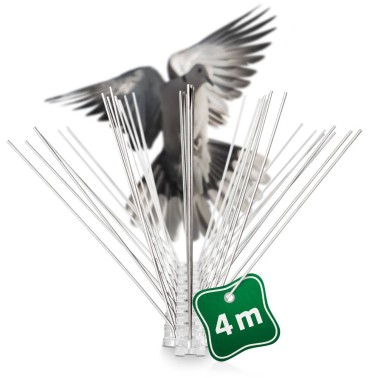
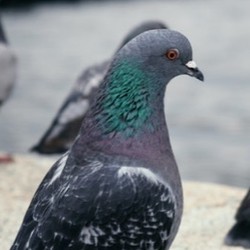
| Pigeons |
Perching on windows, balconies, ledges, roofs, residential buildings, warehouses or solar panels. They can cause droppings, nests, dirt and maintenance problems. |
Sound, visual deterrents, anti-perching systems, physical barriers or specific solutions for solar panels depending on the case. |
Repel pigeons |
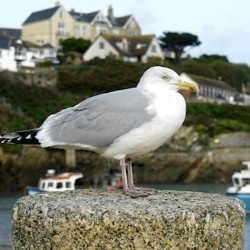
| Seagulls |
Presence on roofs, boats, pontoons, swimming pools, coastal areas, warehouses, landfills or urban environments. During the breeding season they can become more territorial. |
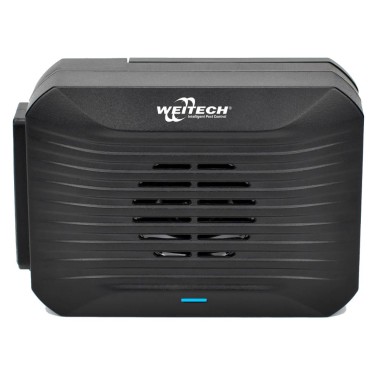
Sonic bird repellers, visual deterrents, anti-perching systems and specific solutions for boats or roofs. |
Repel seagulls |
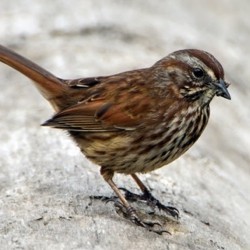
| Sparrows |
Entry into warehouses, storage areas, factories, feeding areas, small openings or spaces where they find shelter. |
Sound, laser, visual deterrents, access closure and exclusion measures. In many cases, it is advisable to combine several methods. |
Repel sparrows |
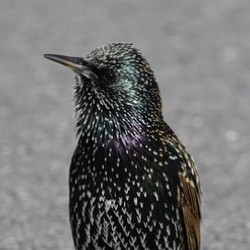
| Thrushes and starlings |
Flocks in crops, fruit trees, vineyards, fig trees, cherry trees, power lines or agricultural areas. |
Bioacoustic sonic bird repellers, visual reinforcement and preventive measures depending on the surface. |
Repel thrushes and starlings |
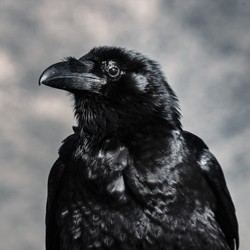
| Crows |
Damage to crops, farms, rural areas or spaces where they repeatedly find food. |
Sound, visual deterrents and, in some professional contexts, laser systems or combined strategies. |
Repel crows |
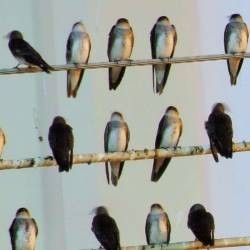
| Swallows |
Nests on façades, eaves, porches or protected areas. It is important to act carefully and check the applicable regulations. |
Preventive measures, anti-perching solutions or localised systems, always considering the right time to act. |
Repel swallows |
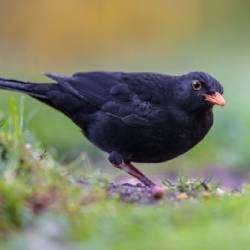
| Blackbirds |
Presence in gardens, vegetable gardens, fruit trees or areas where they find food. |
Visual bird repellers, physical crop protection, sound or combined solutions depending on the environment. |
Repel blackbirds |
How to choose the method according to the affected area
In addition to the species, it is advisable to analyse where the problem appears. The same bird may require different solutions if it is on a terrace, inside a warehouse, under solar panels or in a crop field.
| Affected area |
Common problem |
Recommended approach |
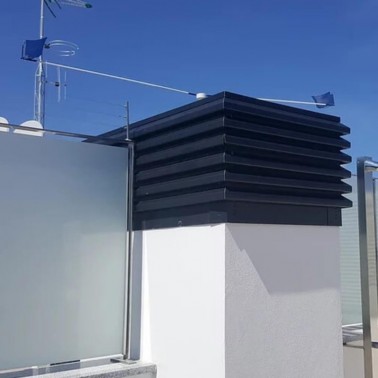
| Terraces, balconies and windows |
Birds perching on specific points, droppings, nests or recurring disturbance. |
It is usually advisable to consider anti-perching solutions, visual deterrents or localised repellents depending on the affected point. |
| Gardens and vegetable gardens |
Birds coming to feed, damage plants, fruit or seeds, or remain in the area. |
Visual bird repellers, sound, physical protection or combined solutions may be considered depending on the species. |
| Warehouses, storage areas and factories |
Birds entering indoors, perching on structures, soiling goods or work areas. |
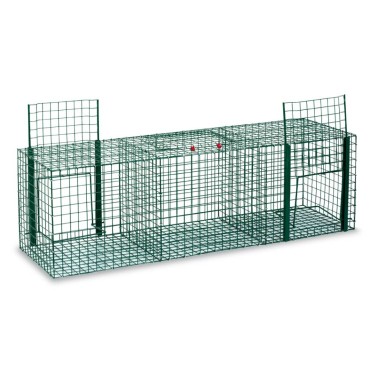
Sonic bird repellers, visual deterrents, laser, access closure or controlled capture may be considered depending on the case. |
| Crops and farms |
Flocks feeding on fruit, seeds, cereals, vineyards or other crops. |
Sound-based systems and visual deterrents are often the most commonly used methods to cover large surfaces. |
| Roofs and flat roofs |
Birds perching, droppings, nests or recurring presence on elevated surfaces. |
Sound, visual deterrents or anti-perching systems may be suitable depending on the species, the surface and the perching point. |
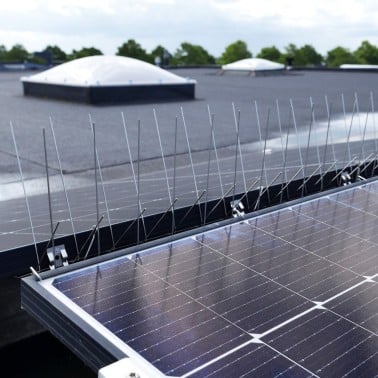
| Solar panels |
Birds accessing the space underneath the panels, sheltering, nesting or creating dirt on the installation. |
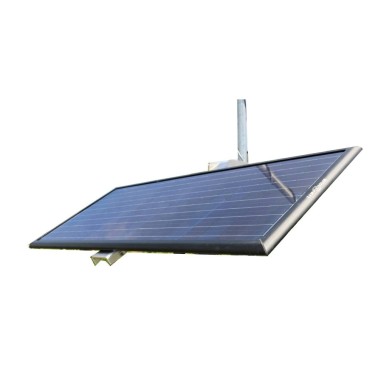
In many cases, the priority is to physically block access under the modules with solutions for solar panels. |
| Boats and pontoons |
Seagulls or other birds perching on handrails, awnings, masts, decks or mooring areas. |
It is advisable to use bird deterrent solutions for boats designed for nautical surfaces. |
Methods to repel birds according to the case
There is no single method that works for every species. The most suitable solution depends on the bird, the place where the problem appears and how established the birds are in the area.
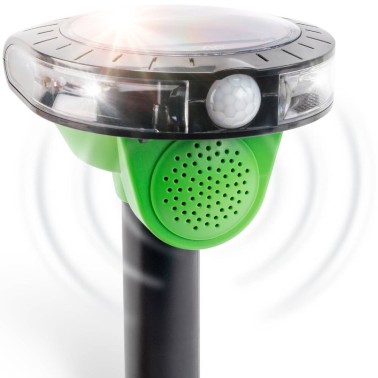
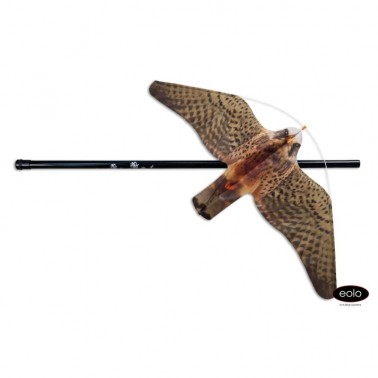
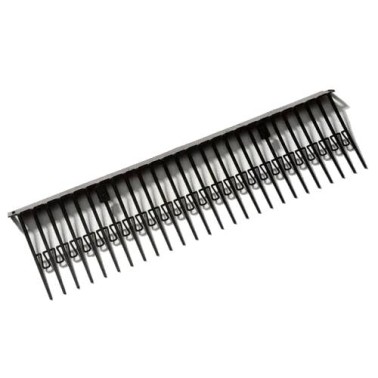
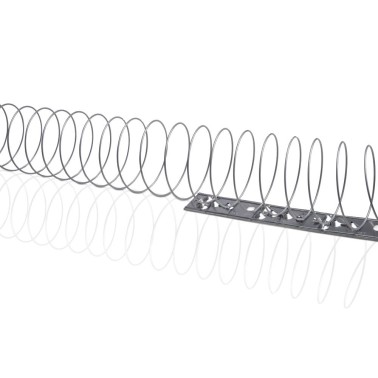
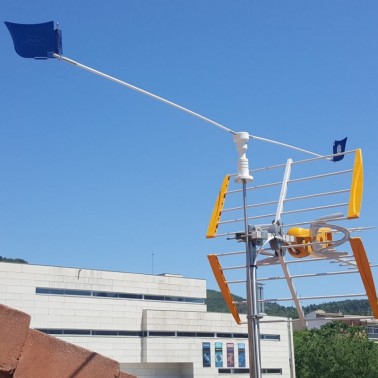
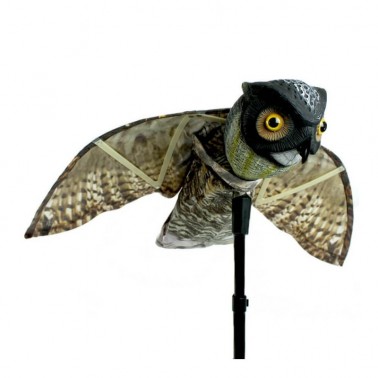
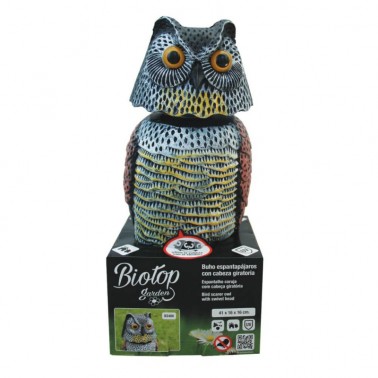
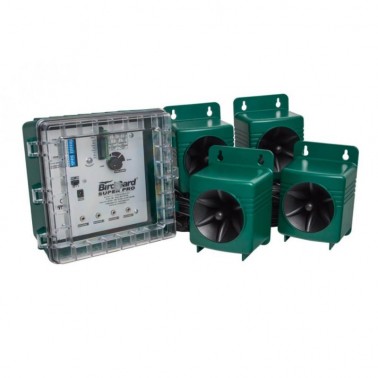
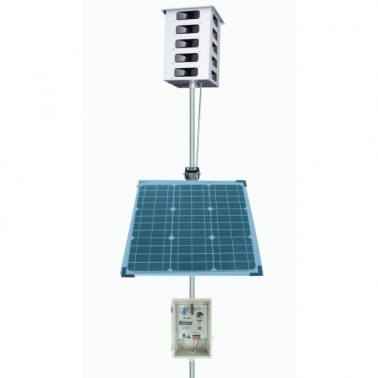
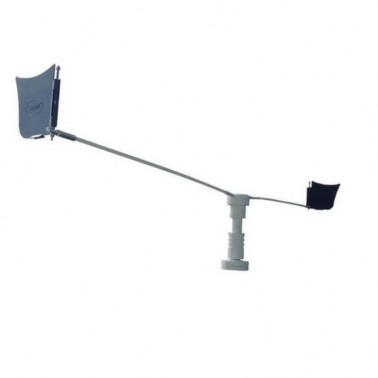
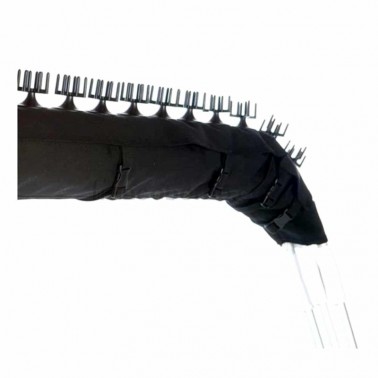
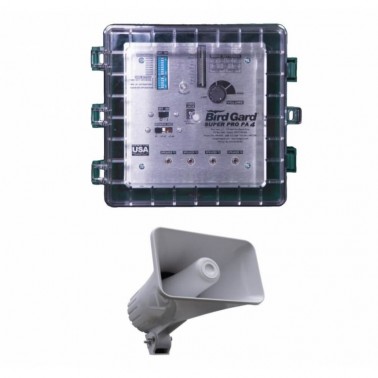
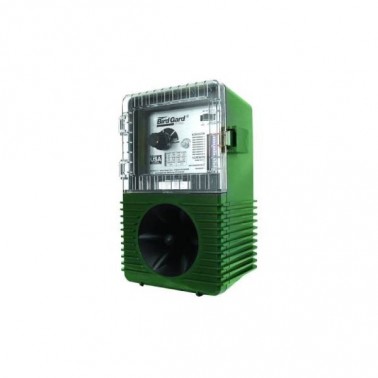
In some cases, sonic bird repellers or visual bird repellers may be suitable, especially outdoors, in warehouses, crops or roofs. In other cases, when birds always perch on specific points, anti-perching solutions are usually more appropriate.
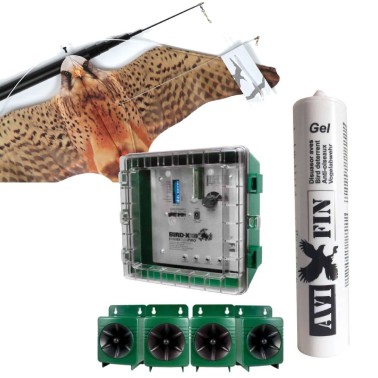
There are also more specific technologies, such as ultrasound, lasers, solutions for boats or systems for solar panels. To compare each technology in more detail, you can visit our guide to types of bird repellers.
Tips before choosing a bird repeller by species
- Identify the bird correctly: if you do not know which species it is, observe its size, behaviour, where it perches and whether it acts alone or in a flock.
- Analyse the environment: a residential terrace is not the same as a warehouse, a crop field, a roof or a photovoltaic installation.
- Check for food, water or shelter: birds tend to return to places where they find food, rest or protection.
- Check whether there are nests: if there are eggs or chicks, it is advisable to act carefully and check the applicable regulations before intervening.
- Clean the area before installation: whenever possible, we recommend removing droppings, feathers, nest remains and signs of bird presence to reduce the birds’ attachment to the area.
- Consider combining several methods: when the problem is established, it is usually more effective to combine sound, visual deterrents, anti-perching systems, physical barriers or access closure.
What should you do if you do not know which bird species you need to repel?
If you are not sure which bird is causing the problem, you can start by looking at where it appears, the type of damage and its behaviour. Pigeons often perch on buildings, terraces, ledges and solar panels. Seagulls are common on roofs, boats and coastal areas, although they can also appear in inland cities. Sparrows often enter warehouses or small gaps when they find food and shelter.
If you still have doubts, you can visit our general category of bird repellers, review the available types of bird repellers or contact our team through the contact page.
Frequently asked questions about repelling birds according to the species
Does the same bird repeller work for all bird species?
Not always. Some solutions can have broad use, but in many cases it is advisable to adapt the method to the species. Pigeons, seagulls, sparrows, starlings or crows may respond differently to sound, visual deterrents, ultrasound, lasers or anti-perching systems.
How do I know which bird repeller I need?
First, it is advisable to identify the species, then analyse the affected area and finally assess the type of solution. For large surfaces, sound or visual deterrents may be suitable. For specific perching points, anti-perching systems are usually more appropriate. For solar panels or boats, it is advisable to use specific solutions.
How can I repel birds from a garden?
It depends on the species and why they are coming to the garden. If they are looking for food, it may be necessary to protect plants or fruit. If they perch repeatedly, visual bird repellers, sound, ultrasound or a combination of methods may be considered depending on the environment.
How can I repel birds from a terrace?
If birds always perch on the same point, anti-perching or localised solutions usually work better. If the problem affects a wider area, a combination with visual deterrents or other systems may be considered, always taking nearby neighbours into account.
What solution should I use for pigeons, seagulls or sparrows?
Pigeons often require sound, visual deterrents, anti-perching systems or physical barriers depending on the affected point. Seagulls usually require sound, visual deterrents or specific solutions for roofs and boats. Sparrows often require a combined strategy, especially if they enter warehouses or find shelter.
Is it advisable to combine several methods to repel birds?
Yes. When birds are already used to an area, it is usually advisable to combine several methods. For example, sound and visual deterrents for large surfaces, or anti-perching systems and prior cleaning for specific perching points.
What should I do if there are nests?
If there are active nests, eggs or chicks, it is advisable to act carefully and check the applicable regulations. In some cases, it may be necessary to wait until the breeding period has ended or consult a professional before removing nests or installing control systems.

 63 reviews