How to choose the right bird repeller
Not all bird problems should be approached in the same way. To choose the right bird repeller, it is important to consider three factors: the bird species causing the problem, the area you want to protect and the type of solution that best suits that environment.
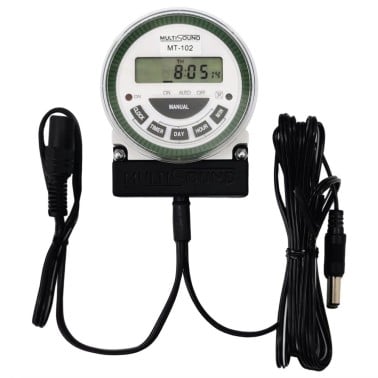
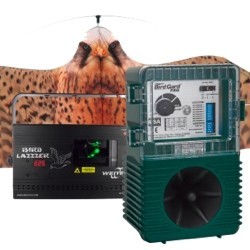
At BirdGard Iberia, we work with different solutions to repel birds from homes, terraces, roofs, industrial buildings, crops, boats, solar panels and other spaces. Some solutions work with sounds, others with ultrasound, visual stimuli, laser technology, anti-perching systems or controlled capture systems.
Choose your bird repeller according to the problem
If you are not sure which product you need, this table can help you narrow down the best option:
| Problem or situation |
Solution you can consider |
More information |
| I do not know what type of bird I have |
Choose the solution according to the species: pigeons, seagulls, sparrows, starlings, crows, swallows or other birds. |
See bird repellers by species |
| I want to compare technologies |
Review the differences between sonic, ultrasonic, laser, visual, anti-perching, boat or solar panel bird deterrent systems. |
See types of bird repellers |
| Birds in warehouses, crops, roofs or large open areas |
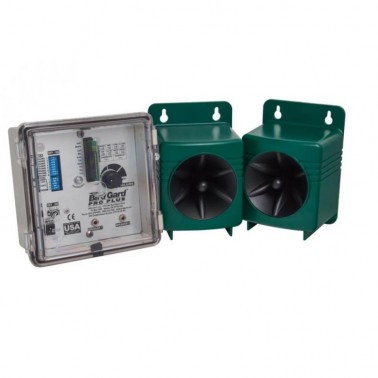
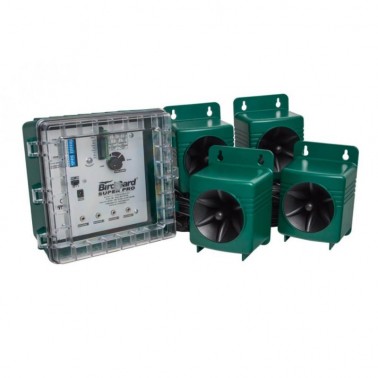
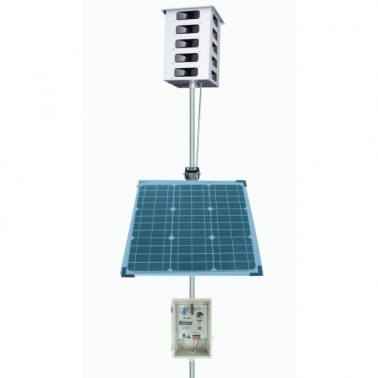
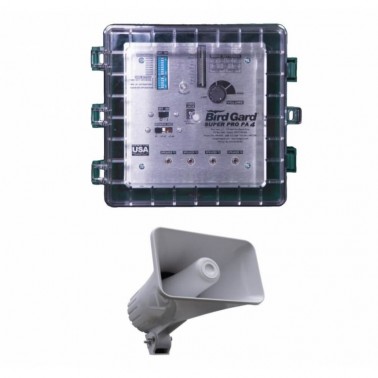
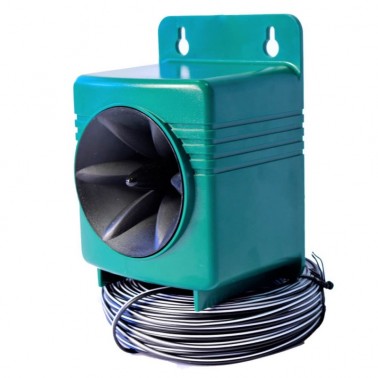
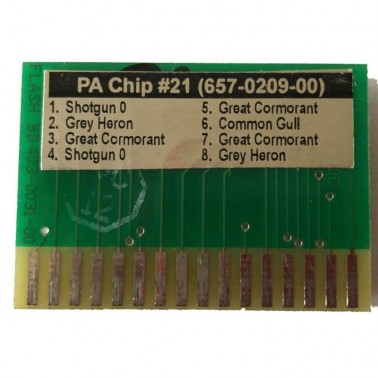
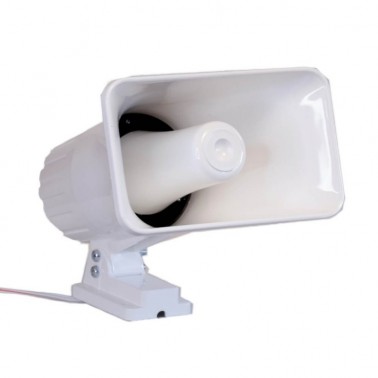
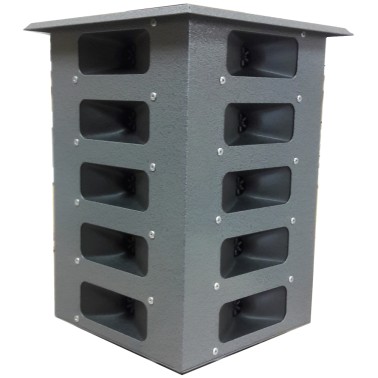
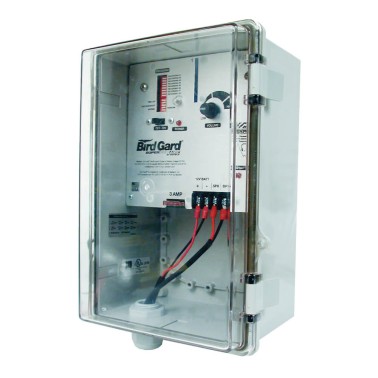
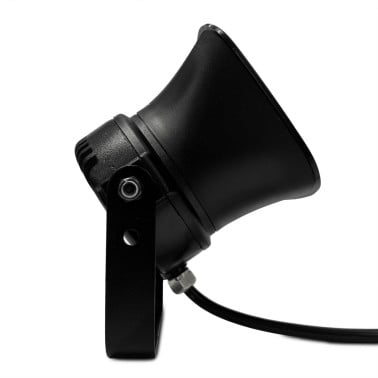
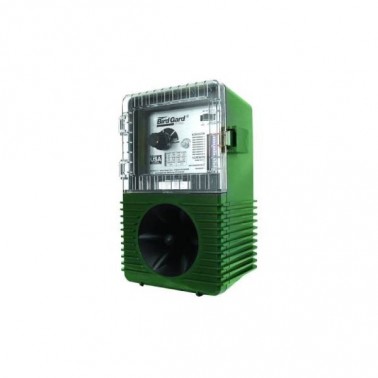
Sonic bird repellers can be a suitable option when the environment allows audible sound emissions. |
See sonic bird repellers |
| I need a more discreet solution |
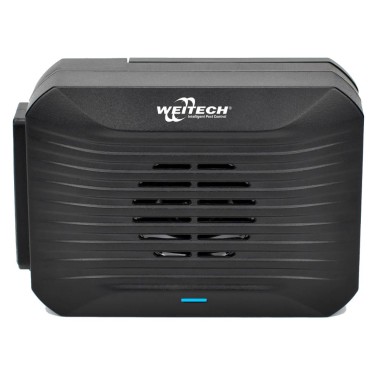
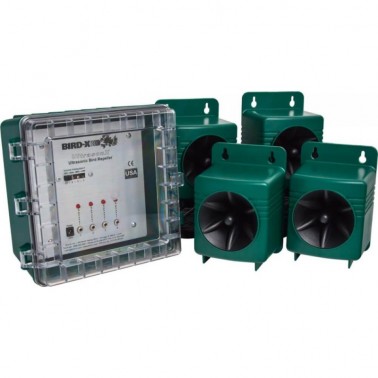
Ultrasonic bird repellers may be useful in certain spaces, although they are not always the best option for large areas or for every bird species. |
See ultrasonic bird repellers |
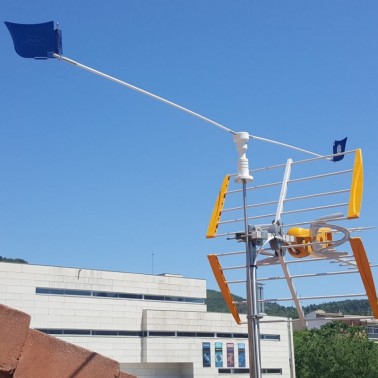
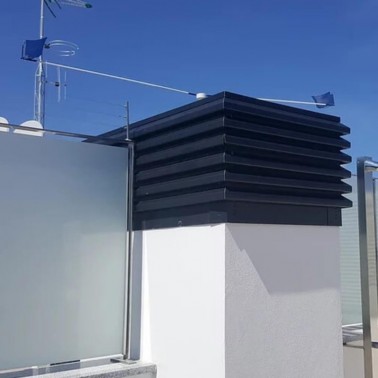
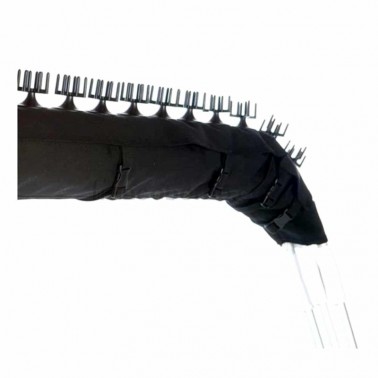
| Birds perching on ledges, beams, windows, antennas or protruding surfaces |
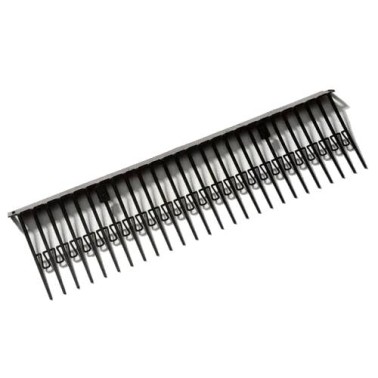
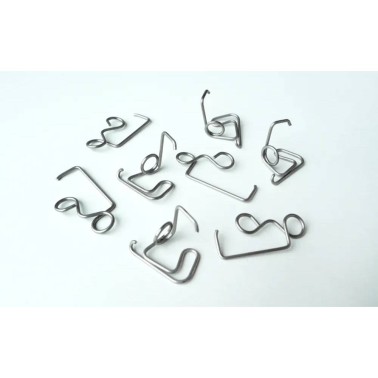
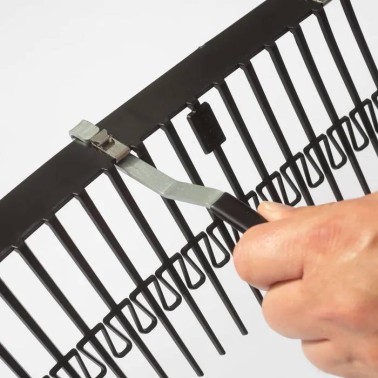
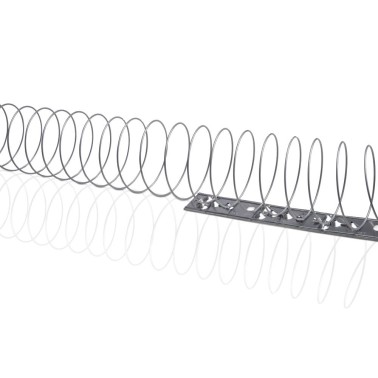
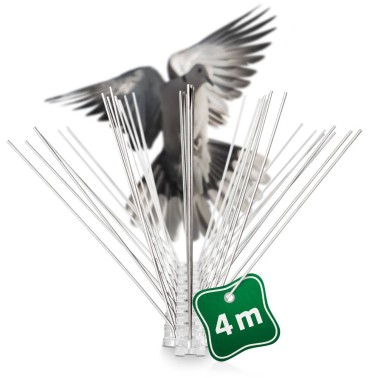
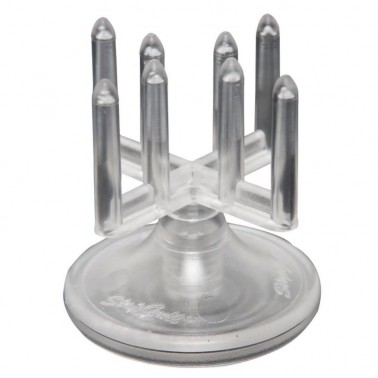
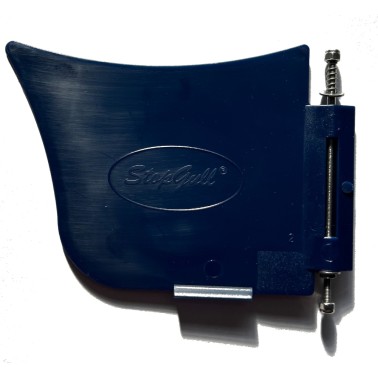
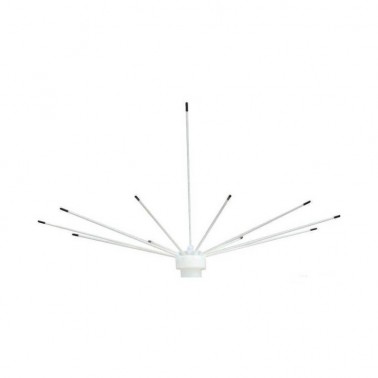
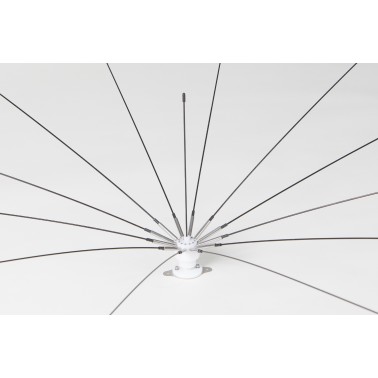
Anti-perching solutions help prevent birds from landing on specific points. |
See anti-perching solutions |
| Birds on boats, pontoons or other vessels |
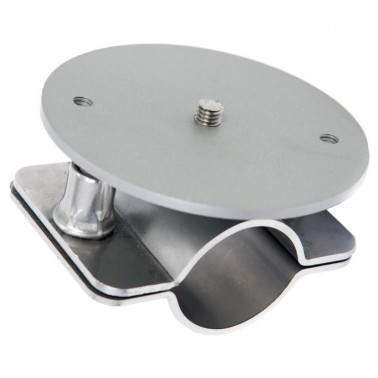
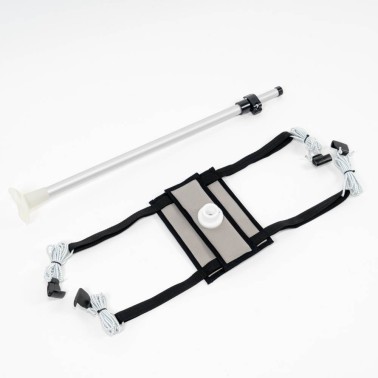
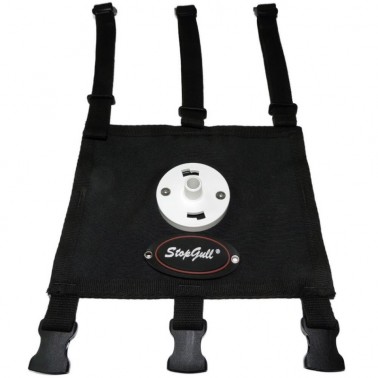
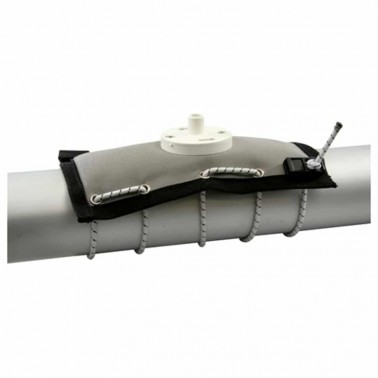
It is best to use systems designed to prevent birds from perching on nautical surfaces. |
See solutions for boats |
| Birds under solar panels or near photovoltaic installations |
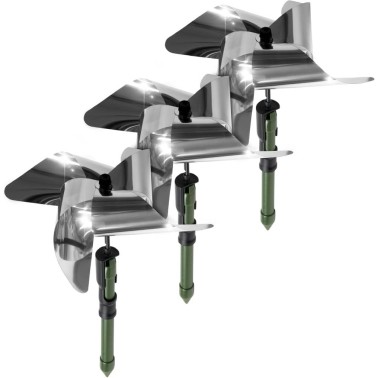
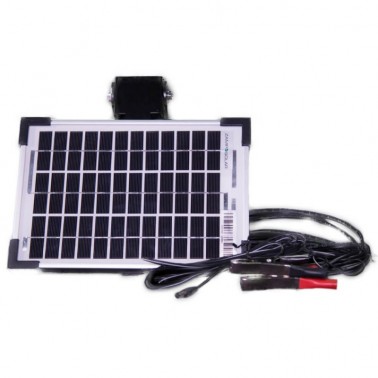
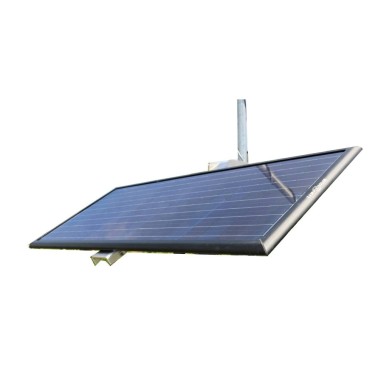
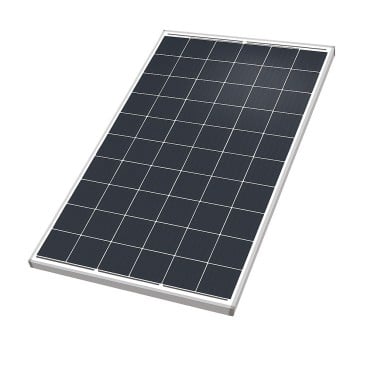
Solar panel bird deterrent systems help prevent access, perching or nesting around photovoltaic installations. |
See solutions for solar panels |
| I need to reinforce the deterrent effect outdoors |
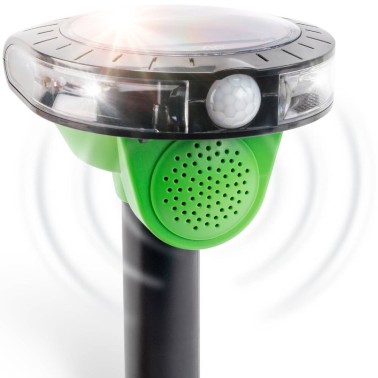
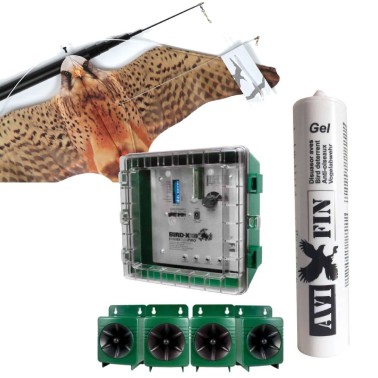
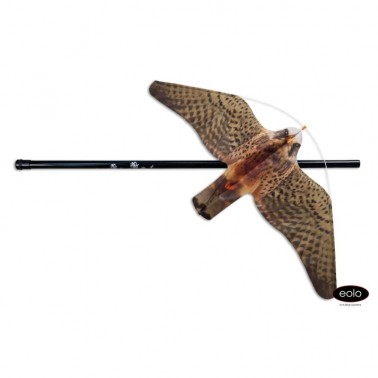
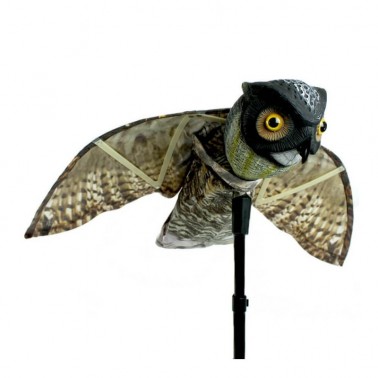
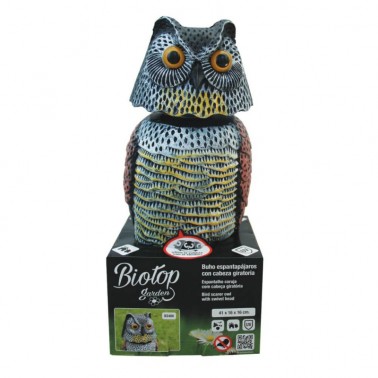
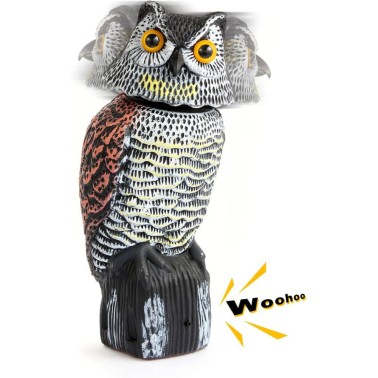
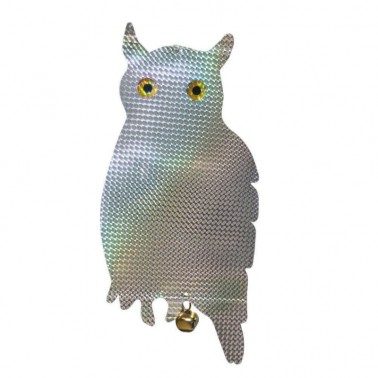
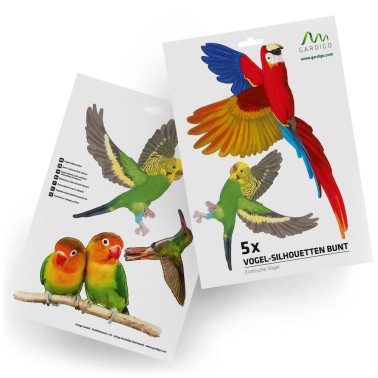
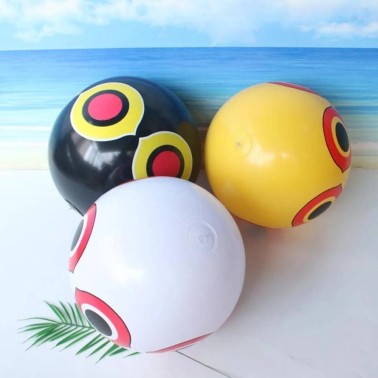
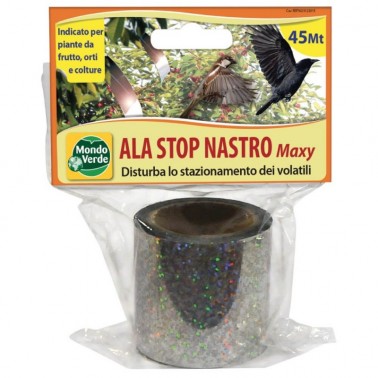
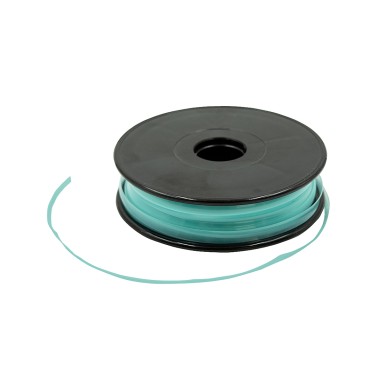
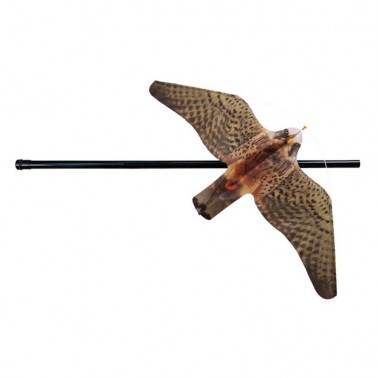
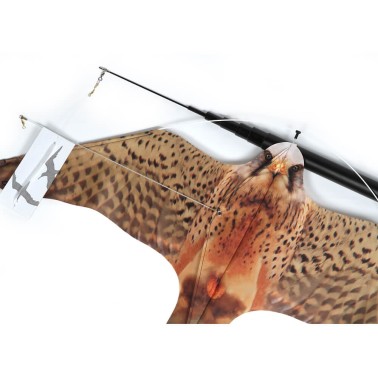
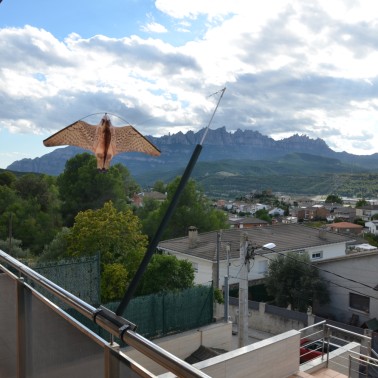
Visual bird repellers can be a useful complement, especially in gardens, roofs, crops or open areas. |
See visual bird repellers |
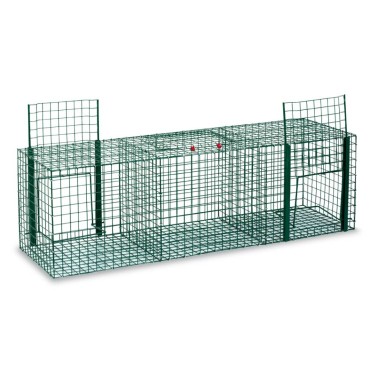
| I need to capture birds in a controlled way |
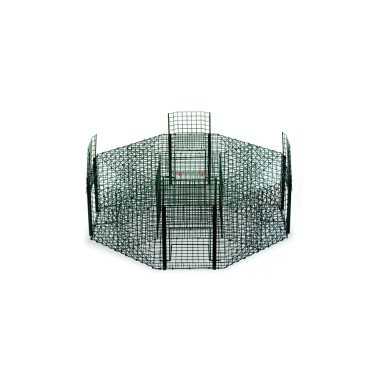
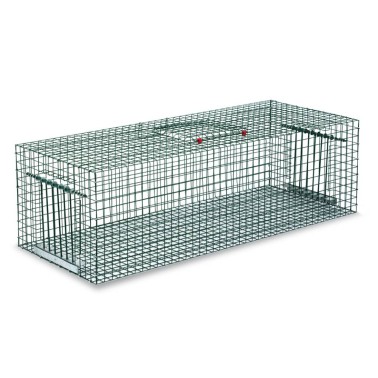
Bird traps may be used in specific cases, always considering the context and applicable regulations. |
See bird traps |
Types of bird repellers
If you already know what type of solution you need, you can go directly to the corresponding category. Each technology has different uses depending on the species, the surface to protect and the environment.
- Sonic bird repellers: for outdoor areas, warehouses, crops, roofs and large spaces where audible sound is a viable option.
- Ultrasonic bird repellers: for specific cases where a more discreet solution is required.
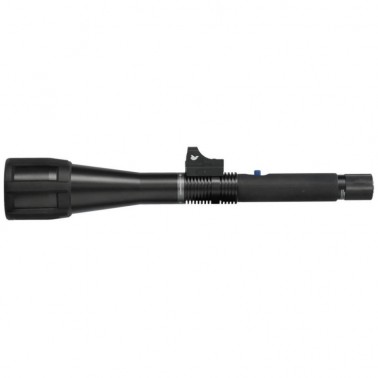
- Laser bird deterrents: for indoor areas, controlled environments or professional use.
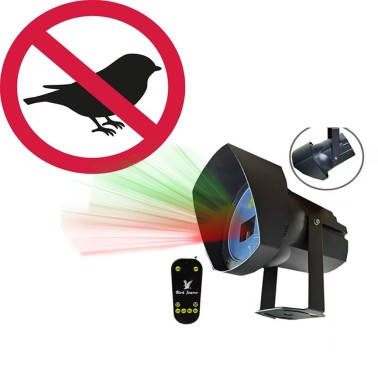
- Visual bird repellers: to reinforce deterrence in gardens, roofs, crops or open areas.
- Anti-perching solutions: to prevent birds from landing on ledges, windows, beams, railings, chimneys or antennas.
- Bird traps: for specific situations where controlled capture is required.
- Bird deterrents for boats: for vessels, pontoons and nautical surfaces.
- Bird deterrents for solar panels: to help prevent access, perching or nesting in photovoltaic installations.
To compare each technology in more detail, you can read our guide to types of bird repellers.
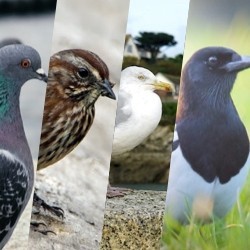
Bird repellers by species
You can also choose the solution based on the species you want to repel. This option is useful when you already know whether the problem is caused by pigeons, seagulls, sparrows, starlings, crows, swallows or other birds.
For a more complete explanation by bird type, visit our section on bird repellers by species.
What to consider before installing a bird deterrent
Before installing any system, it is important to assess the situation properly. The same solution may perform differently depending on the environment, the species and how established the birds are in the area.
- Identify the species: not all birds respond in the same way to the same stimuli.
- Assess the area: protecting a small terrace is not the same as protecting an industrial building, a crop, a roof or a photovoltaic installation.
- Check for food, shelter or nests: if birds find food or a nesting area, they may be more likely to return.
- Clean the area before installation: whenever possible, we recommend removing droppings, feathers, remains of nests and other signs of bird presence. This helps create an environment that birds do not perceive as their own.
- Consider combining several methods: when the problem is already established, it may be advisable to combine sound, visual stimuli, anti-perching systems or exclusion measures.
- Act carefully during the breeding season: if there are nests, eggs or chicks, it is important to review the regulations and wait for the appropriate time before intervening.
Which bird repeller should I buy?
If you are looking for a general solution, you can start by reviewing our types of bird repellers. If you already know which bird species you need to repel, we recommend checking our section on bird repellers by species.
If you still have doubts, you can contact our team so we can help you assess the case according to the species, surface, environment and type of problem. You can write to us through our contact page.
Frequently asked questions about bird repellers
Which bird repeller do I need?
It depends on the species, the surface to protect and where the problem appears. For warehouses, crops or roofs, sonic bird repellers may be suitable. For specific perching points, anti-perching systems are usually more appropriate. For terraces, gardens, boats or solar panels, it is advisable to review specific solutions.
Is a sonic bird repeller better than an ultrasonic one?
Sonic bird repellers are usually used outdoors, in crops, warehouses, roofs or areas where audible sound is not a problem. Ultrasonic bird repellers can be more discreet, but they are not always the best option for large areas or for every bird species.
Do bird repellers harm birds?
The purpose of these systems is to deter birds and encourage them to avoid a specific area, not to harm them. Depending on the case, sound, visual stimuli, anti-perching barriers or exclusion systems can be used.
Is it advisable to combine several methods to repel birds?
Yes. When birds are already used to an area, combining several methods can be useful. For example, a sonic bird repeller can be reinforced with a visual bird repeller, or an anti-perching solution can be combined with prior cleaning of the area.
What should I do before installing a bird repeller?
Whenever possible, it is advisable to clean the area and remove droppings, feathers, remains of nests and other signs of bird presence. It is also important to check whether food, shelter or entry points are encouraging birds to remain in the area.
What solution works for pigeons, seagulls or sparrows?
There is no single solution that works for all species and contexts. Pigeons, seagulls and sparrows may require different approaches depending on whether the problem is on a terrace, in a warehouse, on a roof, on a boat, in a crop or around a solar panel installation.

 62 reviews