Which type of bird repeller to choose depending on the case
There are different types of bird repellers, and each technology is better suited to a specific kind of problem. Protecting an industrial warehouse is not the same as protecting a terrace, a roof, a crop field, a boat or a solar panel installation.
Before choosing, it is advisable to assess three aspects: the bird species causing the problem, the surface you want to protect and the environment where the system will be installed. From there, you can decide whether it is better to use sound, ultrasound, laser, visual stimuli, anti-perching solutions, traps or specific systems for boats and solar panels.
Comparison of bird repeller types
This table summarises when each type of solution may be suitable:
| Type of bird repeller |
When it is usually suitable |
When it may not be the best option |
View category |
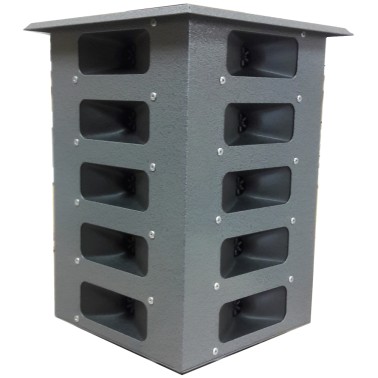
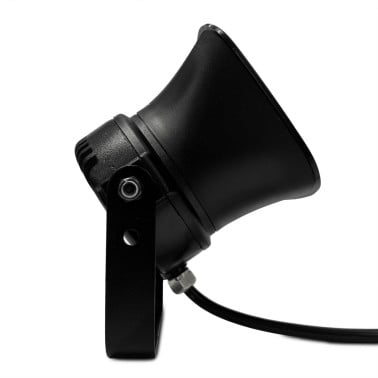
| Sonic bird repellers |
Outdoor areas, warehouses, crops, roofs, farms, industrial facilities or large surfaces where audible sound is not a problem. |
Residential environments that are very sensitive to noise, areas with nearby neighbours or places where audible sounds cannot be emitted. |
See sonic bird repellers |
| Ultrasonic bird repellers |
More specific areas where a more discreet solution is required, with less acoustic disturbance for people. |
Large outdoor surfaces, open areas or cases where the species does not respond well to ultrasound. |
See ultrasonic bird repellers |
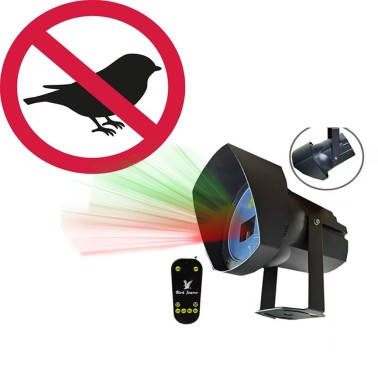
| Laser bird deterrents |
Indoor areas, controlled spaces, warehouses, industrial buildings or professional uses where the light beam can be directed correctly. |
Cases where a passive unsupervised solution is required, or installations where the laser cannot be used properly. |
See laser bird deterrents |
| Visual bird repellers |
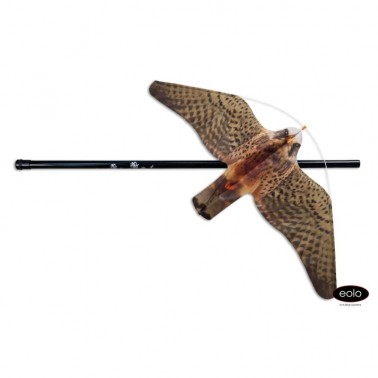
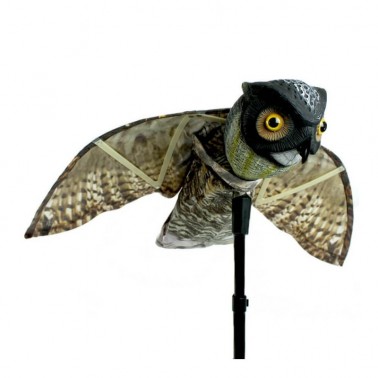
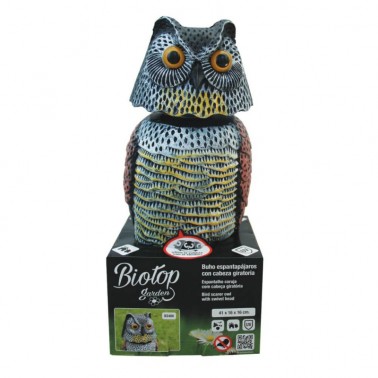
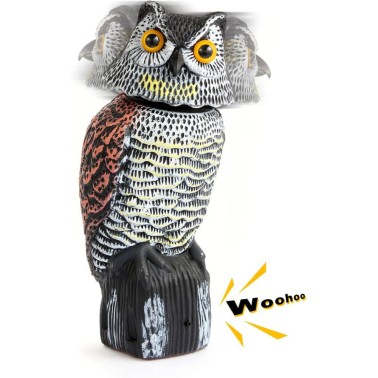
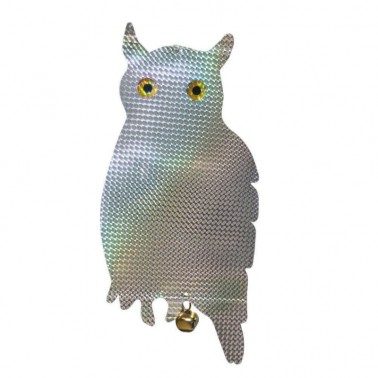
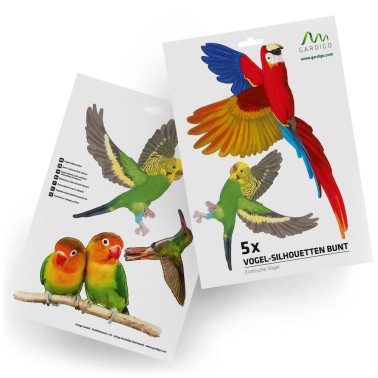
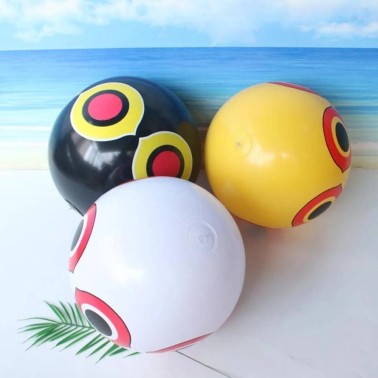
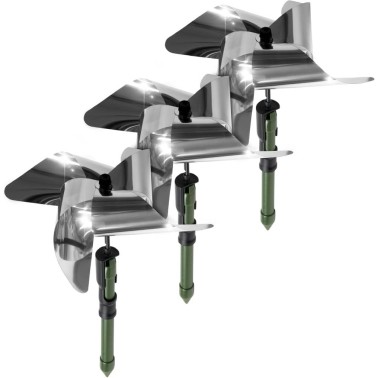
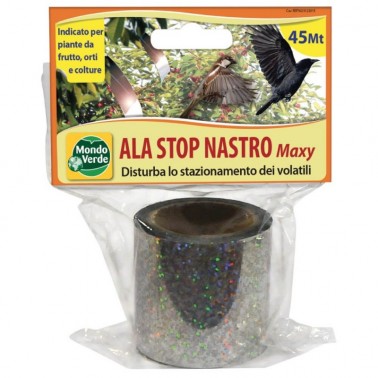
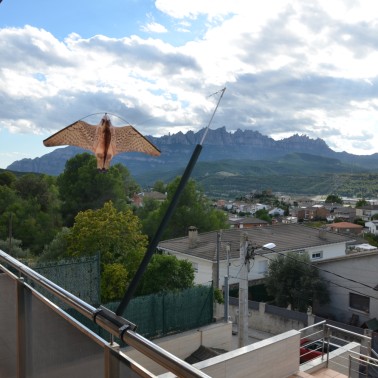
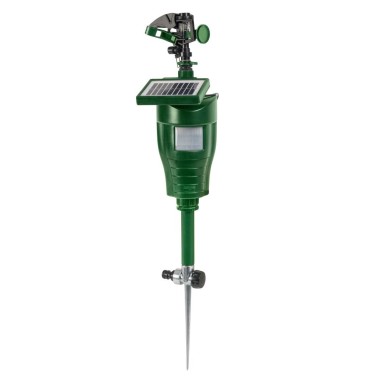
Gardens, roofs, crops, open areas or as reinforcement for other solutions. They can simulate predators or create movement in the area. |
Very established problems if used as the only measure. In these cases, it is usually better to combine them with sound, anti-perching systems or other solutions. |
See visual bird repellers |
| Anti-perching solutions |
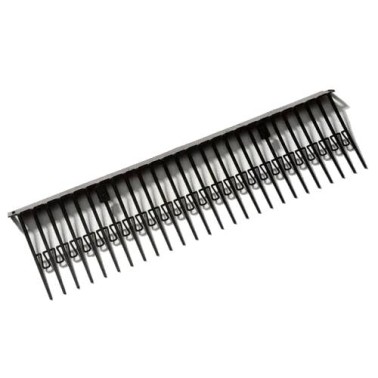
Specific points where birds perch: ledges, windows, railings, beams, antennas, chimneys, gutters or protruding surfaces. |
Large surfaces where birds do not perch on one specific point, but enter, fly around or remain throughout the whole area. |
See anti-perching solutions |
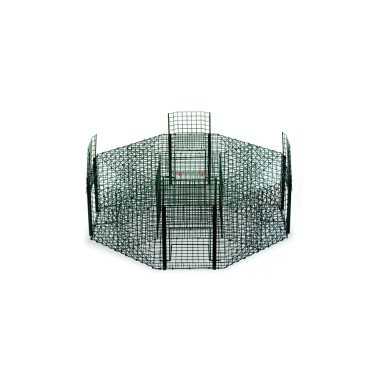
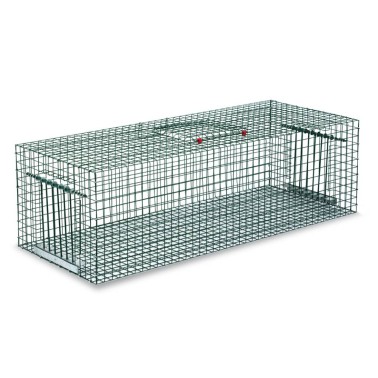
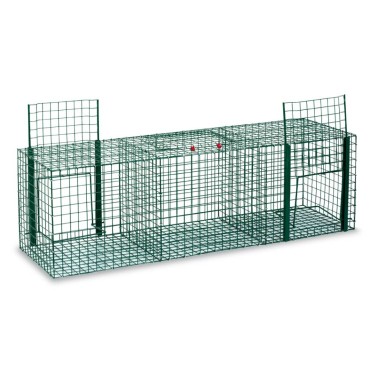
| Bird traps |
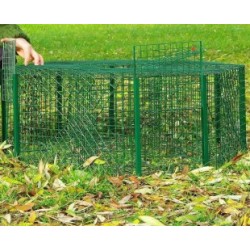
Specific cases where birds need to be captured in a controlled way, always taking the context and applicable regulations into account. |
As a general preventive solution or when the main objective is simply to prevent birds from perching or entering an area. |
See bird traps |
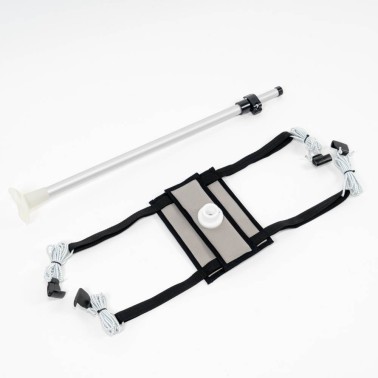
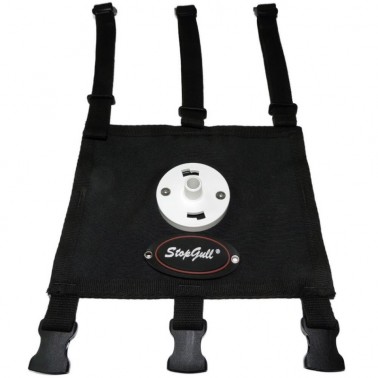
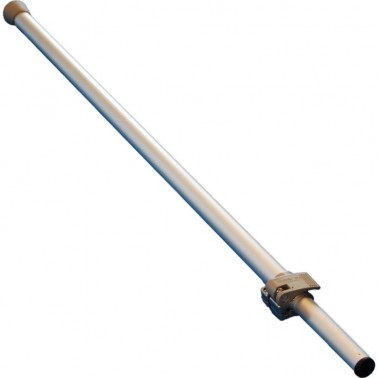
| Solutions for boats |
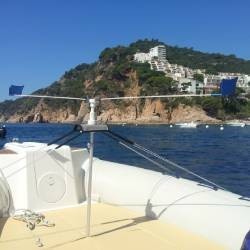
Boats, pontoons, handrails, awnings, masts or nautical surfaces where birds usually perch. |
Problems in buildings, crops or non-nautical installations, where other categories are usually more suitable. |
See solutions for boats |
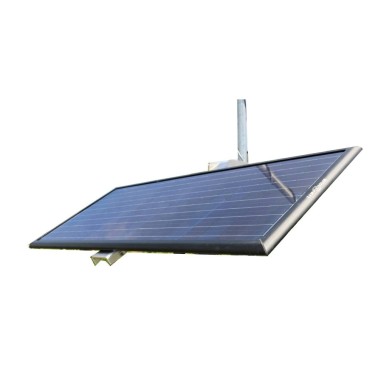
| Solutions for solar panels |
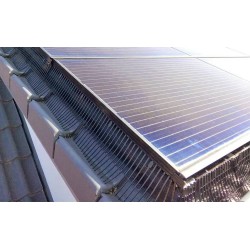
Photovoltaic installations where birds perch, create dirt or access the space underneath the panels. |
Cases where the problem is not related to solar panels or access under the modules. |
See solutions for solar panels |
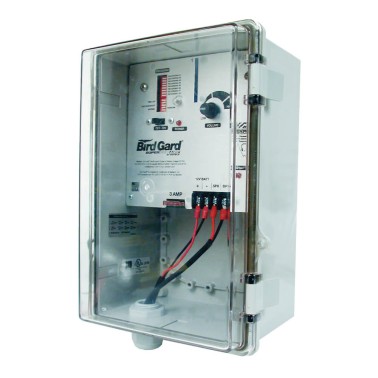
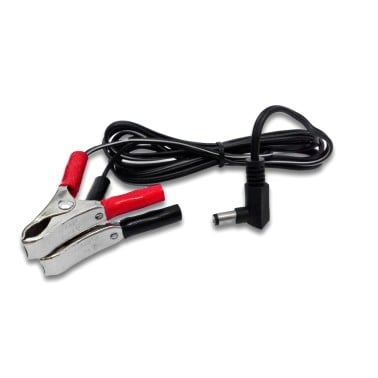
| Accessories and spare parts |
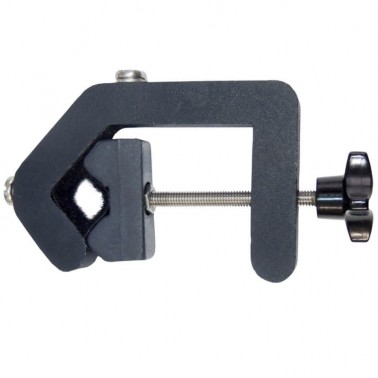
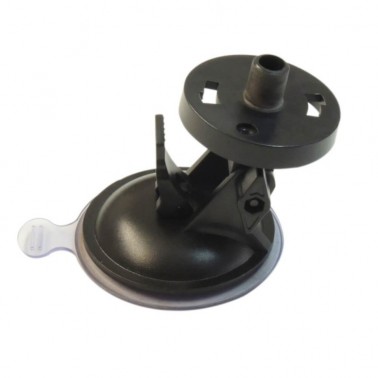
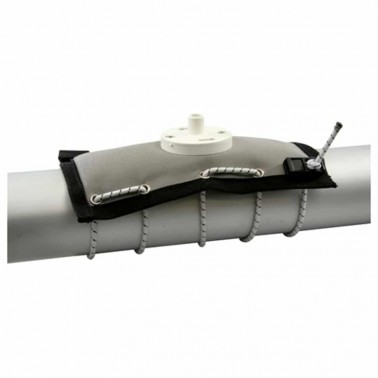
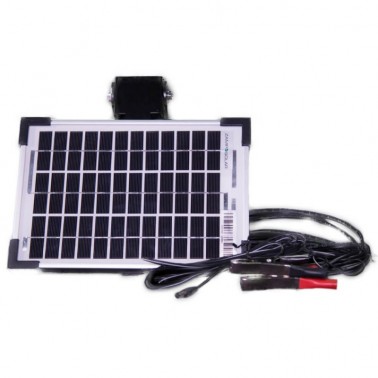
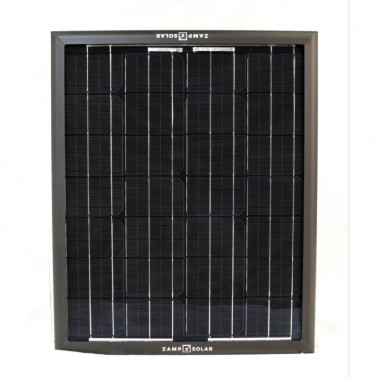
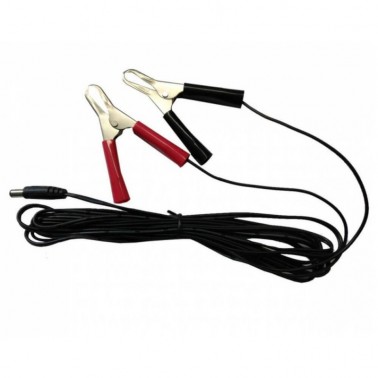
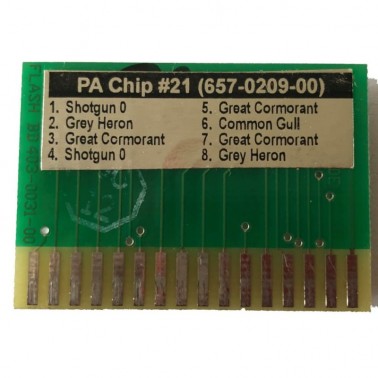
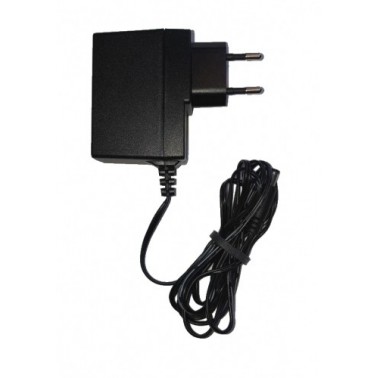
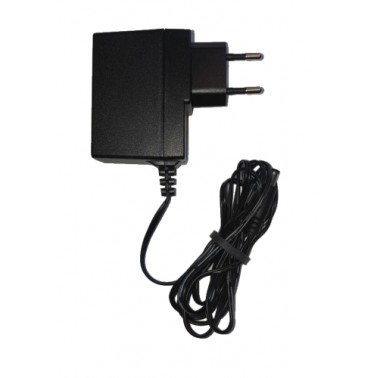
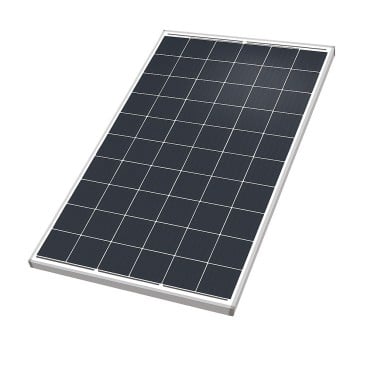
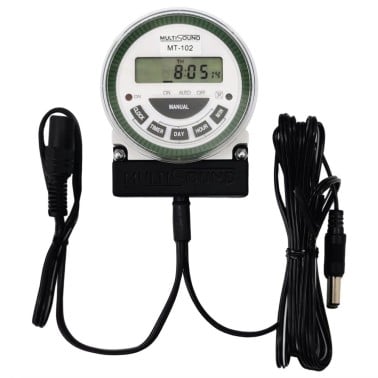
Expanding, maintaining or adapting equipment that is already installed: speakers, cables, adapters, batteries, solar panels or other components. |
When a new problem needs to be solved from scratch and the main system has not yet been chosen. |
See accessories |
Choosing the type of bird repeller according to the environment
The environment is one of the most important factors. A solution that may work well in a warehouse, a farm or an industrial roof may not be suitable for a balcony, a residential building or an area with nearby homes.
| Environment |
Common problem |
Types of solution you can consider |
| Warehouses, storage areas and factories |
Birds entering, perching on indoor structures or soiling work areas, goods or machinery. |
Sound, visual deterrents, laser, access closure or traps depending on the case. |
| Crops, farms and agricultural sites |
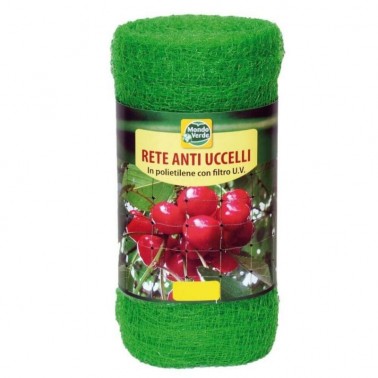
Flocks feeding on fruit, seeds, cereals, vineyards, fig trees, cherry trees or other crops. |
Sound and visual deterrents, especially when a large surface needs to be covered. |
| Roofs and flat roofs |
Birds perching, droppings, nests or recurrent presence on an elevated surface. |
Sound, visual deterrents or anti-perching depending on the surface and the perching point. |
| Balconies, windows and ledges |
Birds always perching on the same point, causing dirt or disturbance. |
Anti-perching systems and localised solutions. In some cases, they can be combined with visual deterrents. |
| Gardens and terraces |
Birds coming to feed, perch, create dirt or damage plants and outdoor furniture. |
Visual deterrents, ultrasound, sound or combined solutions depending on the species and proximity to neighbours. |
| Boats and pontoons |
Seagulls or other birds perching on boats, handrails, awnings, masts or mooring areas. |
Bird deterrent systems for boats, nautical anti-perching solutions and specific visual deterrents. |
| Solar panels |
Pigeons or other birds entering underneath the panels, nesting or creating dirt on the installation. |
Physical barriers for solar panels, anti-perching systems or visual reinforcement depending on the case. |
Choosing according to the bird species
In addition to comparing technologies, it is also important to identify the species causing the problem. If you already know which bird you want to repel, you can consult our specific guides for pigeons, seagulls, sparrows, starlings, crows, swallows or blackbirds.
For a complete guide by bird, visit the section on bird repellers by species.
Differences between sound, ultrasound, laser, visual deterrents and anti-perching
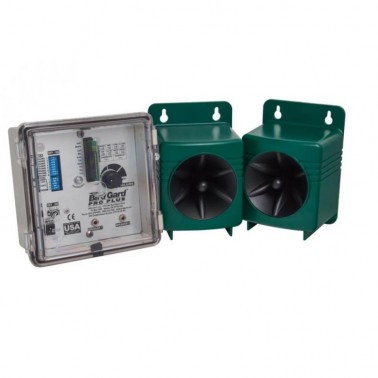
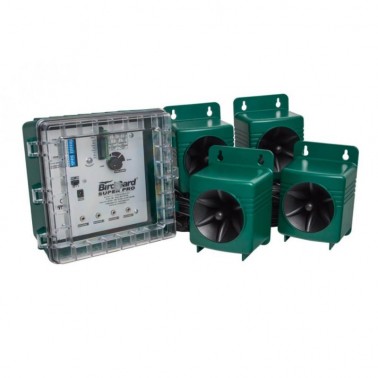
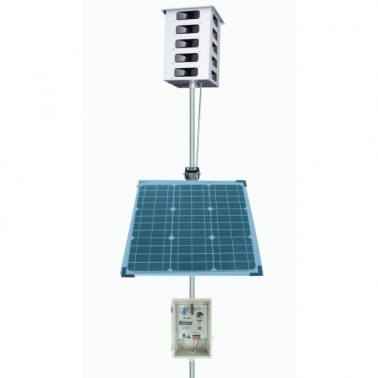
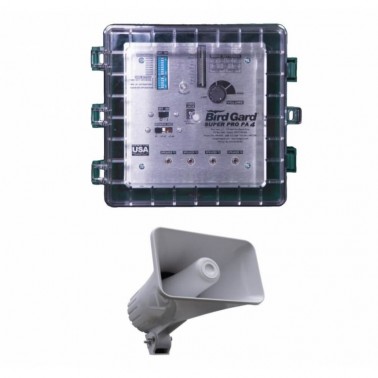
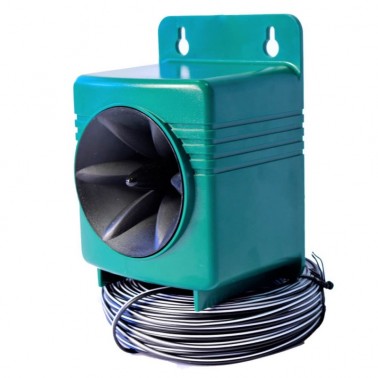
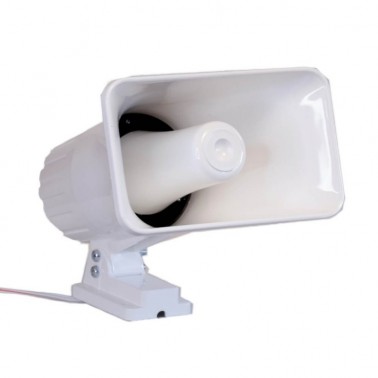
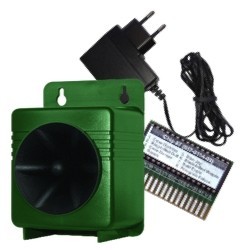
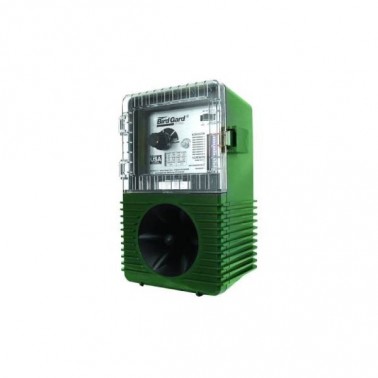
Sonic bird repellers emit audible sounds to create a sense of danger or discomfort in the protected area. They are usually used in open spaces, warehouses, crops, roofs or installations where sound is not a major issue.
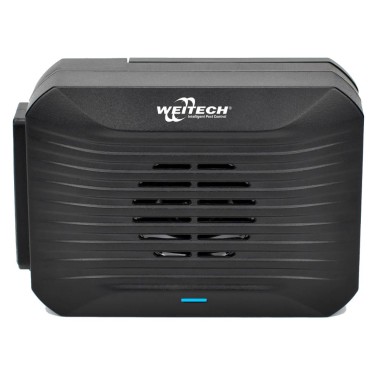
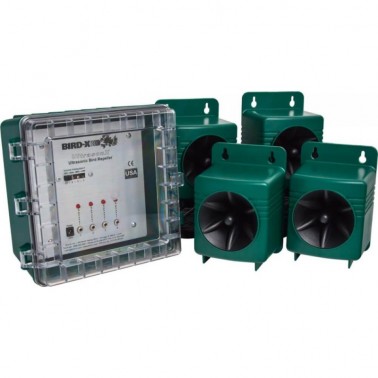
Ultrasonic bird repellers emit frequencies that are less perceptible to people. They can be an interesting option in some specific spaces, although their range and usefulness depend heavily on the environment and the species.
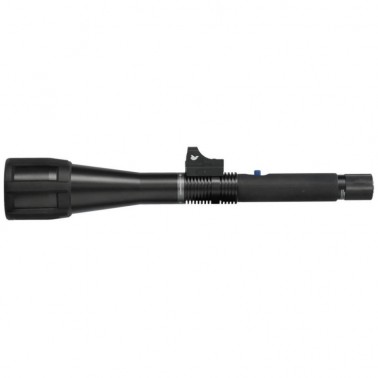
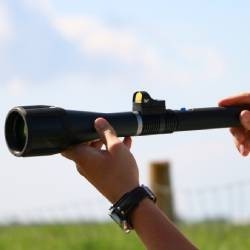
Laser bird deterrents use light to disturb birds and encourage them to leave an area. Their use is usually more suitable for indoor areas, controlled spaces or professional applications.
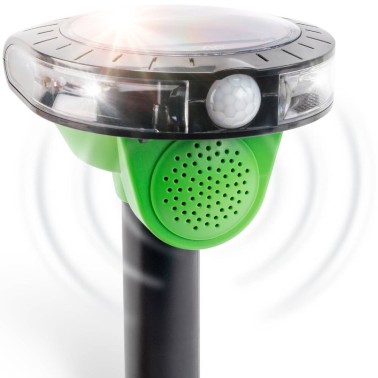
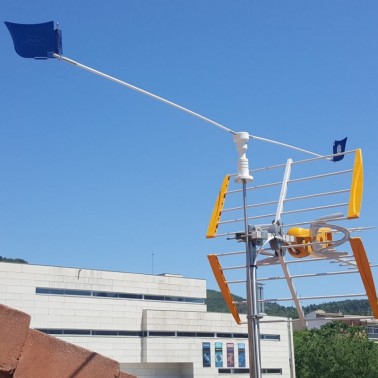
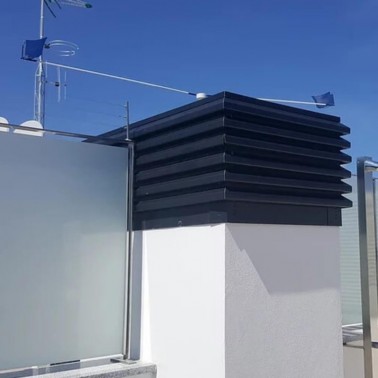
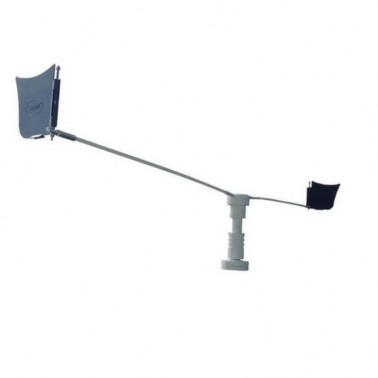
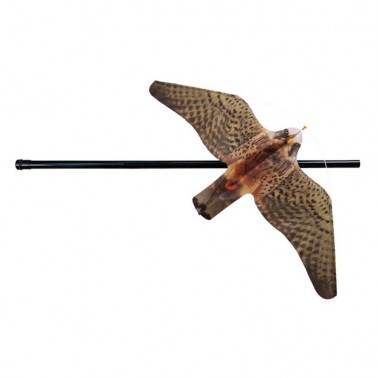
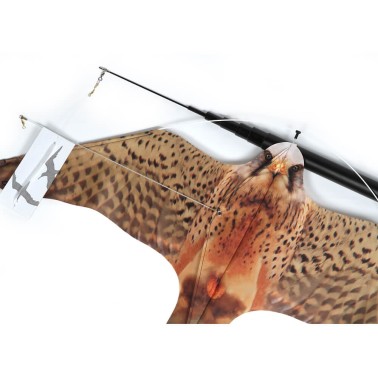
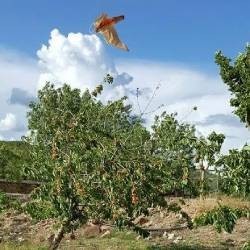
Visual bird repellers simulate predators, movement or visual signals that help reinforce deterrence. They usually work better as a complementary method, especially when the problem is already established.
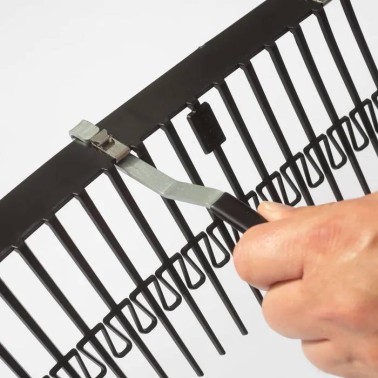
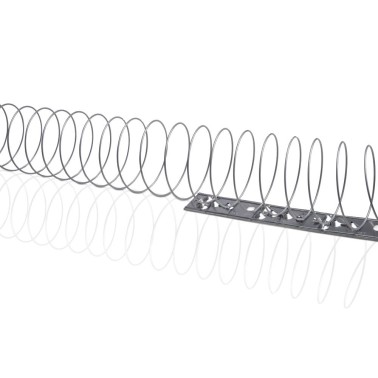
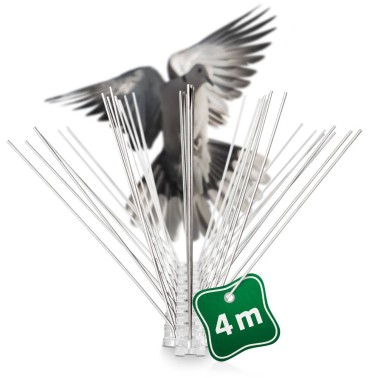
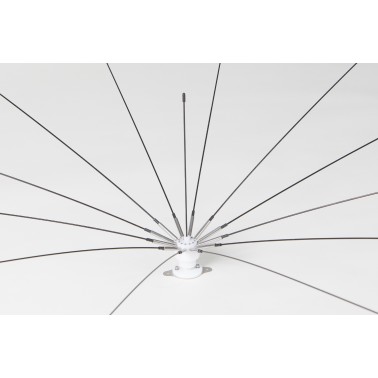
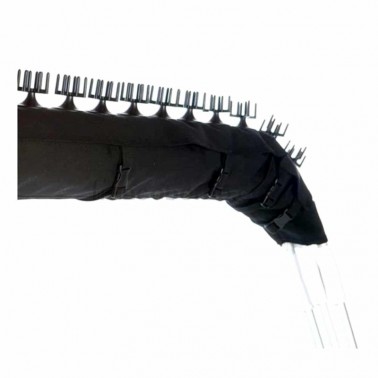
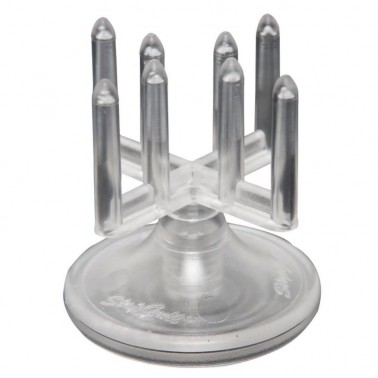
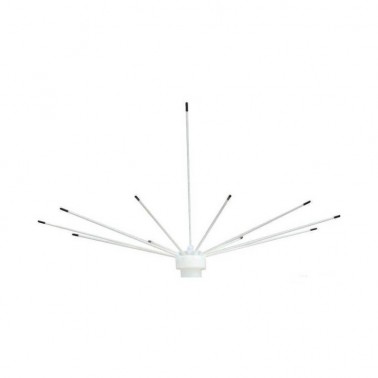
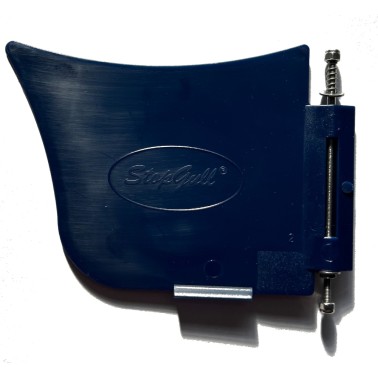
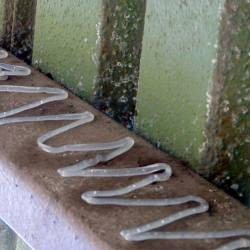
Anti-perching solutions are not designed to repel birds from a large surface, but to prevent them from perching comfortably on specific points such as ledges, beams, railings, windows, antennas or chimneys.
Common mistakes when choosing a bird repeller
- Choosing only by price: a cheap product may not be suitable if it does not match the species, the surface or the environment.
- Not identifying the species: each bird may require a different approach.
- Using ultrasound for every problem: ultrasound is not always the best option, especially in large outdoor areas or with certain species.
- Using a visual deterrent as the only solution for established problems: if birds are already very attached to an area, it may be necessary to combine several methods.
- Not cleaning before installation: if there are droppings, feathers, nest remains or food, birds may continue to perceive the area as their own.
- Not assessing the acoustic environment: before installing a sonic device, it is advisable to check whether it may disturb neighbours, workers or nearby people.
What type of bird repeller do you need?
If you already know which technology you are looking for, you can go directly to the corresponding category. If you are still unsure which solution is most suitable, we recommend reviewing the species, the environment and the type of problem first.
You can also visit our general category of bird repellers or the section on bird repellers by species to better guide your choice.
If the problem is complex, affects a large surface or there are doubts about the species, you can contact our team through the contact page.
Frequently asked questions about types of bird repellers
What type of bird repeller do I need?
It depends on the species, the surface to protect and the environment. For large surfaces, sound-based or visual solutions are often considered. For specific perching points, anti-perching systems are usually more suitable. For solar panels or boats, it is advisable to use specific solutions.
What is the difference between sonic and ultrasonic bird repellers?
Sonic bird repellers emit signals that are audible to people and are usually used outdoors, in warehouses, crops or roofs. Ultrasound is less perceptible to the human ear, but its range and usefulness depend heavily on the environment and the species.
When should a visual bird repeller be used?
Visual bird repellers can be useful in gardens, roofs, crops or open areas, especially as reinforcement for other solutions. In very established problems, it is usually not advisable to rely only on a visual stimulus.
When are anti-perching systems better?
Anti-perching systems are recommended when birds always perch on specific points, such as ledges, windows, railings, beams, antennas, chimneys or protruding surfaces. In these cases, the objective is to physically prevent them from resting comfortably.
Can lasers be used to repel birds?
Yes, but they are not a universal solution. They are usually more suitable for indoor areas, controlled spaces or professional uses where the light beam can be directed correctly and used safely.
Is it advisable to combine several types of bird repellers?
Yes. When birds are already used to an area, it may be advisable to combine several methods, such as sound, visual deterrents, anti-perching systems, physical barriers or access closure. The right combination depends on the specific problem.
What should I do before installing a bird repeller?
Whenever possible, we recommend cleaning the area and removing droppings, feathers, nest remains and signs of bird presence. It is also advisable to check whether food, shelter or entry points are encouraging birds to remain in the area.

 62 reviews